A Treatise on Adulterations of Food, and Culinary Poisons: Exhibiting the Fraudulent Sophistications of Bread, Beer, Wine, Spiritous Liquors, Tea, Coffee, Cream, Confectionery, Vinegar, Mustard, Pepper, Cheese, Olive Oil, Pickles, and Other Articles Employed in Domestic Economy
A Treatise on Adulterations of Food, and Culinary Poisons: Exhibiting the Fraudulent Sophistications of Bread, Beer, Wine, Spiritous Liquors, Tea, Coffee, Cream, Confectionery, Vinegar, Mustard, Pepper, Cheese, Olive Oil, Pickles, and Other Articles Employed in Domestic Economy
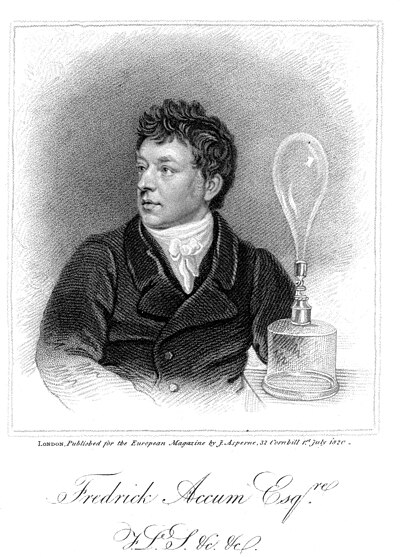
In 1820 London, a German chemist went to war with the city's food suppliers. Friedrich Christian Accum spent years secretly testing bread, beer, wine, and spices, and what he found was horrifying: chalk in flour, lead in pickles, copper in preserves, sawdust in chocolate. Merchants were knowingly selling poison to feed families who had no way to know what they were actually eating. This treatise was the first to systematically expose the industrial-scale fraud and toxicity lurking on British dinner tables, and it made Accum a pariah in the commercial establishment that threatened his life. Written with the urgency of a man who believed he was saving the public from slow poisoning, it provides practical tests any concerned citizen could perform to detect common adulterants. Over two centuries later, the book reads like a dark prophecy: the same battles over food transparency, corporate deception, and regulatory capture continue today. Essential for anyone curious about the origins of food safety laws or the long history of the lie we eat.
Editions
Link to this book
Add a free, dofollow link to Lex on your blog, forum, syllabus, or reading list.

<a href="https://lex-books.com/book/a-treatise-on-adulterations-of-food-and-culinary-poisons-exhibiting-the-fraudule-5008c92d-f26c-4c73-b529-69da1eceb456"><img src="https://lex-books.com/badges/read-on-lex.svg" alt="Read A Treatise on Adulterations of Food, and Culinary Poisons: Exhibiting the Fraudulent Sophistications of Bread, Beer, Wine, Spiritous Liquors, Tea, Coffee, Cream, Confectionery, Vinegar, Mustard, Pepper, Cheese, Olive Oil, Pickles, and Other Articles Employed in Domestic Economy by Friedrich Christian Accum free on Lex" width="160" height="40"></a>[](https://lex-books.com/book/a-treatise-on-adulterations-of-food-and-culinary-poisons-exhibiting-the-fraudule-5008c92d-f26c-4c73-b529-69da1eceb456)[url=https://lex-books.com/book/a-treatise-on-adulterations-of-food-and-culinary-poisons-exhibiting-the-fraudule-5008c92d-f26c-4c73-b529-69da1eceb456][img]https://lex-books.com/badges/read-on-lex.svg[/img][/url]Read A Treatise on Adulterations of Food, and Culinary Poisons: Exhibiting the Fraudulent Sophistications of Bread, Beer, Wine, Spiritous Liquors, Tea, Coffee, Cream, Confectionery, Vinegar, Mustard, Pepper, Cheese, Olive Oil, Pickles, and Other Articles Employed in Domestic Economy by Friedrich Christian Accum free on Lex: https://lex-books.com/book/a-treatise-on-adulterations-of-food-and-culinary-poisons-exhibiting-the-fraudule-5008c92d-f26c-4c73-b529-69da1eceb456Cite this book
Reading this edition for a paper or guide? Copy a citation.
Accum, Friedrich Christian. A Treatise on Adulterations of Food, and Culinary Poisons: Exhibiting the Fraudulent Sophistications of Bread, Beer, Wine, Spiritous Liquors, Tea, Coffee, Cream, Confectionery, Vinegar, Mustard, Pepper, Cheese, Olive Oil, Pickles, and Other Articles Employed in Domestic Economy. Lex, lex-books.com/book/a-treatise-on-adulterations-of-food-and-culinary-poisons-exhibiting-the-fraudule-5008c92d-f26c-4c73-b529-69da1eceb456.Accum, F. C. (n.d.). A Treatise on Adulterations of Food, and Culinary Poisons: Exhibiting the Fraudulent Sophistications of Bread, Beer, Wine, Spiritous Liquors, Tea, Coffee, Cream, Confectionery, Vinegar, Mustard, Pepper, Cheese, Olive Oil, Pickles, and Other Articles Employed in Domestic Economy. Lex. https://lex-books.com/book/a-treatise-on-adulterations-of-food-and-culinary-poisons-exhibiting-the-fraudule-5008c92d-f26c-4c73-b529-69da1eceb456Accum, Friedrich Christian. A Treatise on Adulterations of Food, and Culinary Poisons: Exhibiting the Fraudulent Sophistications of Bread, Beer, Wine, Spiritous Liquors, Tea, Coffee, Cream, Confectionery, Vinegar, Mustard, Pepper, Cheese, Olive Oil, Pickles, and Other Articles Employed in Domestic Economy. Lex. https://lex-books.com/book/a-treatise-on-adulterations-of-food-and-culinary-poisons-exhibiting-the-fraudule-5008c92d-f26c-4c73-b529-69da1eceb456.