The Boston cooking-school cook book
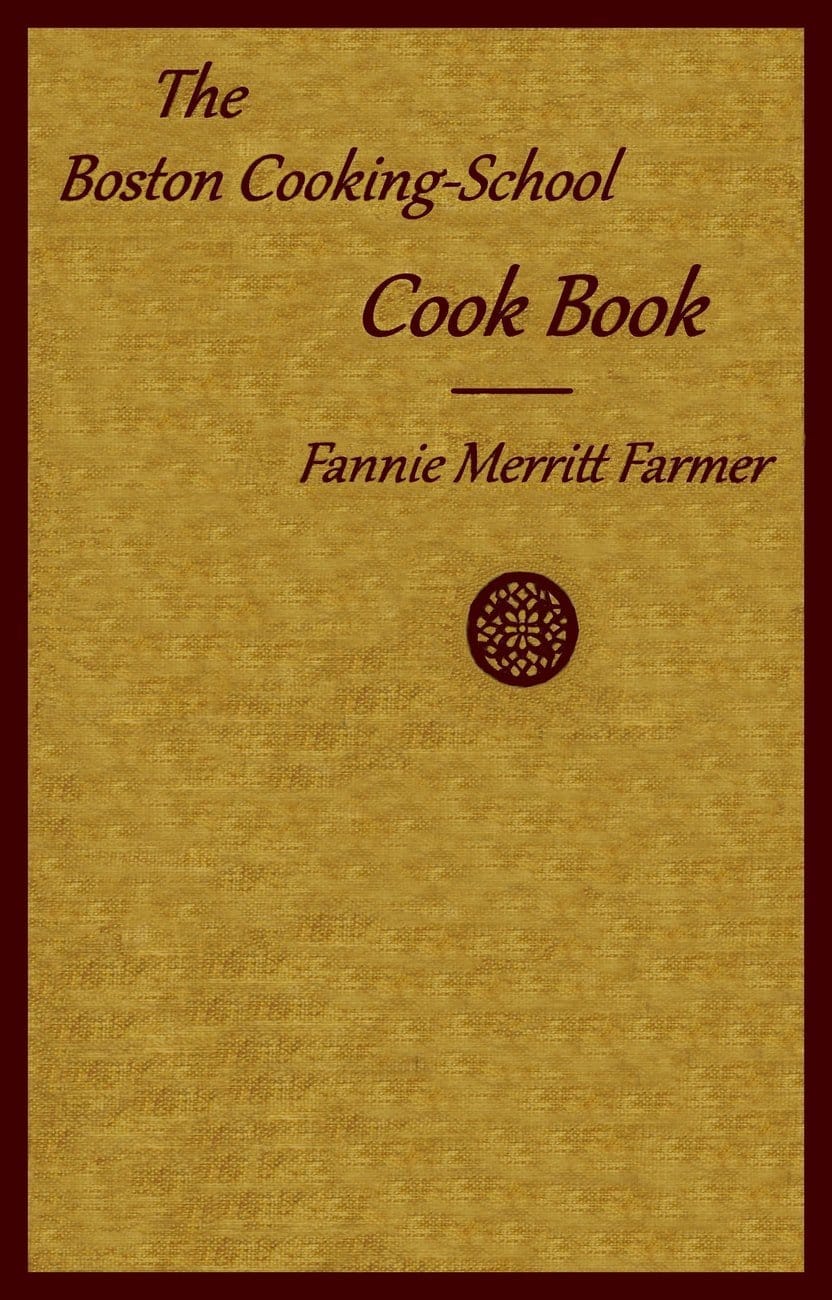
Before Fannie Farmer, American cooks measured with instinct. After her, they measured with precision. First published in 1896, this cookbook revolutionized domestic cooking by introducing standardized measurements - teaspoons, tablespoons, cups - that transformed guesswork into science. Farmer, who survived a paralytic stroke at 16 and later enrolled in the Boston Cooking School at 30 before becoming its principal, brought rigorous scientific methodology to the home kitchen. She believed cooking was chemistry, nutrition was health, and knowledge should be accessible to everyone. The book covers everything from boiling an egg to roasting a turkey, from understanding food chemistry to planning nutritious meals. It educated generations of American home cooks, establishing a template for cookbook writing that persists today. Whether you want to understand why recipes work or simply cook better food, this book remains a foundation - the ancestor of every modern cookbook on your shelf.
Editions
Link to this book
Add a free, dofollow link to Lex on your blog, forum, syllabus, or reading list.

<a href="https://lex-books.com/book/the-boston-cooking-school-cook-book-04768f01-4829-488d-9ce7-aa62a6739190"><img src="https://lex-books.com/badges/read-on-lex.svg" alt="Read The Boston cooking-school cook book by Fannie Merritt Farmer free on Lex" width="160" height="40"></a>[](https://lex-books.com/book/the-boston-cooking-school-cook-book-04768f01-4829-488d-9ce7-aa62a6739190)[url=https://lex-books.com/book/the-boston-cooking-school-cook-book-04768f01-4829-488d-9ce7-aa62a6739190][img]https://lex-books.com/badges/read-on-lex.svg[/img][/url]Read The Boston cooking-school cook book by Fannie Merritt Farmer free on Lex: https://lex-books.com/book/the-boston-cooking-school-cook-book-04768f01-4829-488d-9ce7-aa62a6739190Cite this book
Reading this edition for a paper or guide? Copy a citation.
Farmer, Fannie Merritt. The Boston cooking-school cook book. Lex, lex-books.com/book/the-boston-cooking-school-cook-book-04768f01-4829-488d-9ce7-aa62a6739190.Farmer, F. M. (n.d.). The Boston cooking-school cook book. Lex. https://lex-books.com/book/the-boston-cooking-school-cook-book-04768f01-4829-488d-9ce7-aa62a6739190Farmer, Fannie Merritt. The Boston cooking-school cook book. Lex. https://lex-books.com/book/the-boston-cooking-school-cook-book-04768f01-4829-488d-9ce7-aa62a6739190.