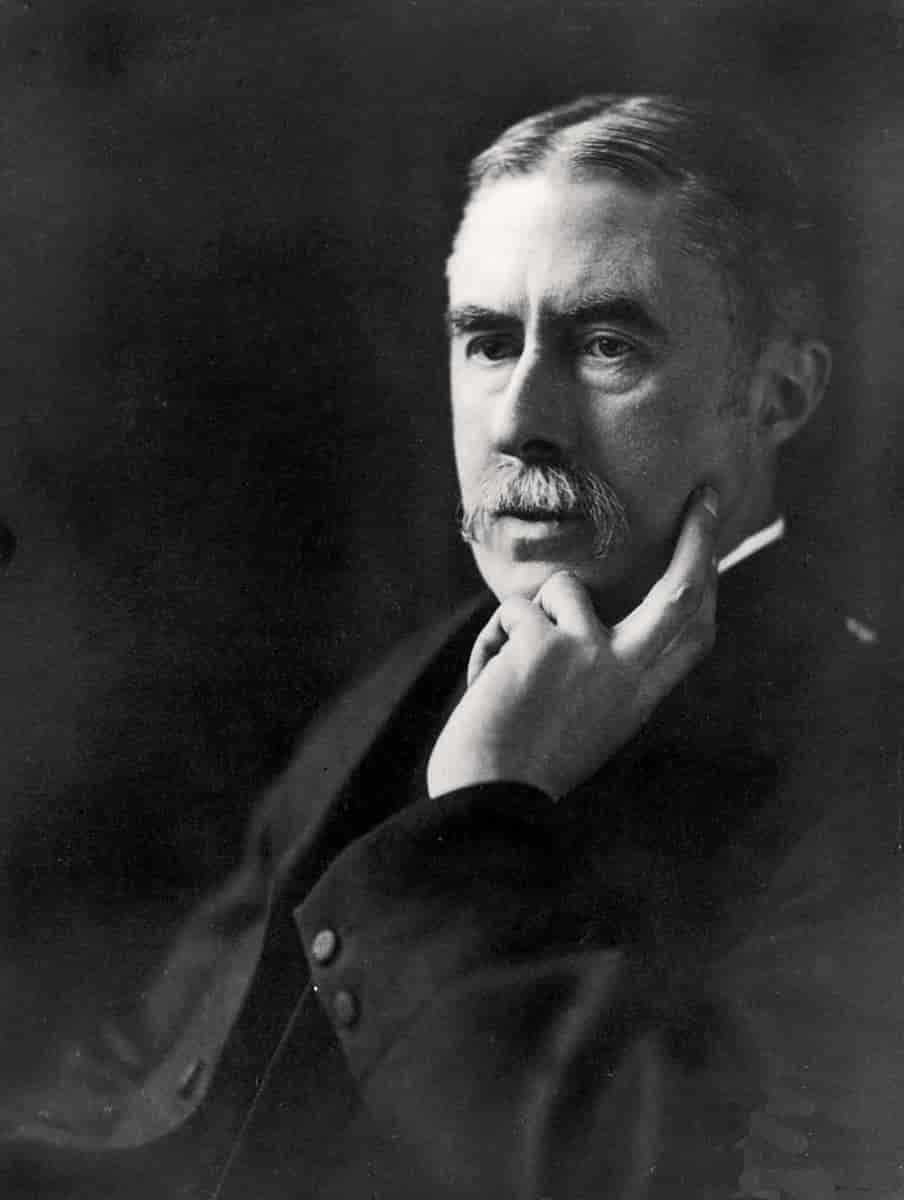
A Shropshire Lad
1896
Housman's 1896 masterpiece distills the particular ache of being young and knowing it cannot last. These 63 poems sing in deceptively simple language, yet each one carries the weight of vanishings: of cherry blossoms, of athletic glory, of friends who march off to war and don't return. The speaker moves through a pastoral Shropshire that feels both real and mythic, remembering moments of beauty while fully aware that beauty is the prelude to loss. Housman was writing in an era before the Great War made mass death ordinary, but there's an eerie prescience in how these poems grip the reader: they know something terrible waits beyond the hedgerows. The famous 'To an Athlete Dying Young' captures his central paradox better than any summary: to die at the moment of triumph is to escape the humiliation of fading. These are poems for anyone who has ever felt time moving through them like water, for anyone who knows that the very things worth loving are the things we will lose.
Editions
X-Ray
“Because I liked you betterThan suits a man to say,It irked you, and I promisedI'd throw the thought away.To put the world between usWe parted stiff and dry:'Farewell,' said you, 'forget me.''Fare well, I will,' said I.If e'er, where clover whitensThe dead man's knoll, you pass,And no tall flower to meet youStarts in the trefoiled grass,Halt by the headstone shadingThe heart you have not stirred,And say the lad that loved youWas one that kept his word.””
— A. E. Housman
“Stars, I have seen them fall,But when they drop and dieNo star is lost at allFrom all the star-sown sky.The toil of all that beHelps not the primal fault;It rains into the seaAnd still the sea is salt.””
— A. E. Housman
“How clear, how lovely bright,How beautiful to sight Those beams of morning play;How heaven laughs out with gleeWhere, like a bird set free,Up from the eastern sea Soars the delightful day.To-day I shall be strong,No more shall yield to wrong, Shall squander life no more;Days lost, I know not how,I shall retrieve them now;Now I shall keep the vow I never kept before.Ensanguining the skiesHow heavily it dies Into the west away;Past touch and sight and soundNot further to be found,How hopeless under ground Falls the remorseful day.””
— A. E. Housman
“Into my heart an air that killsFrom yon far country blows:What are those blue remembered hills,What spires, what farms are those?That is the land of lost content,I see it shining plain,The happy highways where I wentAnd cannot come again.””
— A. E. Housman
“I to my perilsOf cheat and charmerCame clad in armourBy stars benign.Hope lies to mortalsAnd most believe her,But man's deceiver Was never mine.The thoughts of othersWere light and fleeting,Of lovers' meetingOr luck or fame.Mine were of trouble,And mine were steady;So I was readyWhen trouble came.””
— A. E. Housman
“When I was one-and-twenty I heard a wise man say,“Give crowns and pounds and guineas But not your heart away;Give pearls away and rubies But keep your fancy free.”But I was one-and-twenty, No use to talk to me.When I was one-and-twenty I heard him say again,“The heart out of the bosom Was never given in vain;’Tis paid with sighs a plenty And sold for endless rue.”And I am two-and-twenty, And oh, ’tis true, ’tis true.””
— A. E. Housman
“Therefore, since the world has stillMuch good, but much less good than ill,And while the sun and moon endureLuck's a chance, but trouble's sure,I'd face it as a wise man would,And train for ill and not for good.””
— A. E. Housman
“The stars have not dealt me the worst they could do:My pleasures are plenty, my troubles are two.But oh, my two troubles they reave me of rest,The brains in my head and the heart in my breast.Oh, grant me the ease that is granted so free,The birthright of multitudes, give it to me,That relish their victuals and rest on their bedWith flint in the bosom and guts in the head.””
— A. E. Housman
“Lie you easy, dream you light,And sleep you fast for aye;And luckier may you find the nightThan ever you found the day.””
— A. E. Housman
Link to this book
Add a free, dofollow link to Lex on your blog, forum, syllabus, or reading list.

<a href="https://lex-books.com/book/a-shropshire-lad-3c4e821e-3de4-497a-ad65-a51c6efd1d13"><img src="https://lex-books.com/badges/read-on-lex.svg" alt="Read A Shropshire Lad by A. E. Housman free on Lex" width="160" height="40"></a>[](https://lex-books.com/book/a-shropshire-lad-3c4e821e-3de4-497a-ad65-a51c6efd1d13)[url=https://lex-books.com/book/a-shropshire-lad-3c4e821e-3de4-497a-ad65-a51c6efd1d13][img]https://lex-books.com/badges/read-on-lex.svg[/img][/url]Read A Shropshire Lad by A. E. Housman free on Lex: https://lex-books.com/book/a-shropshire-lad-3c4e821e-3de4-497a-ad65-a51c6efd1d13Cite this book
Reading this edition for a paper or guide? Copy a citation.
Housman, A. E.. A Shropshire Lad. Lex, lex-books.com/book/a-shropshire-lad-3c4e821e-3de4-497a-ad65-a51c6efd1d13.Housman, A. E. (1896). A Shropshire Lad. Lex. https://lex-books.com/book/a-shropshire-lad-3c4e821e-3de4-497a-ad65-a51c6efd1d13Housman, A. E.. A Shropshire Lad. Lex. https://lex-books.com/book/a-shropshire-lad-3c4e821e-3de4-497a-ad65-a51c6efd1d13.