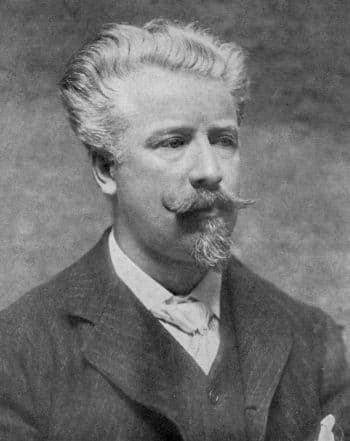
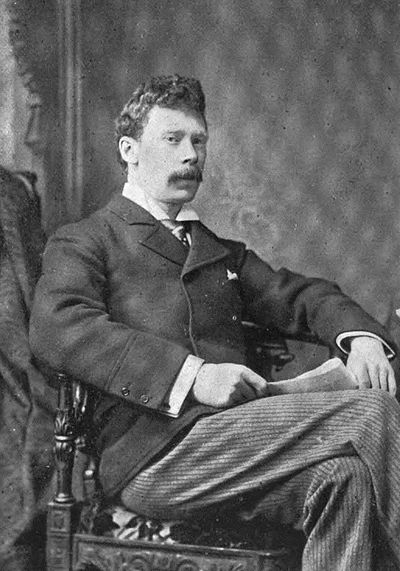
William Sharp
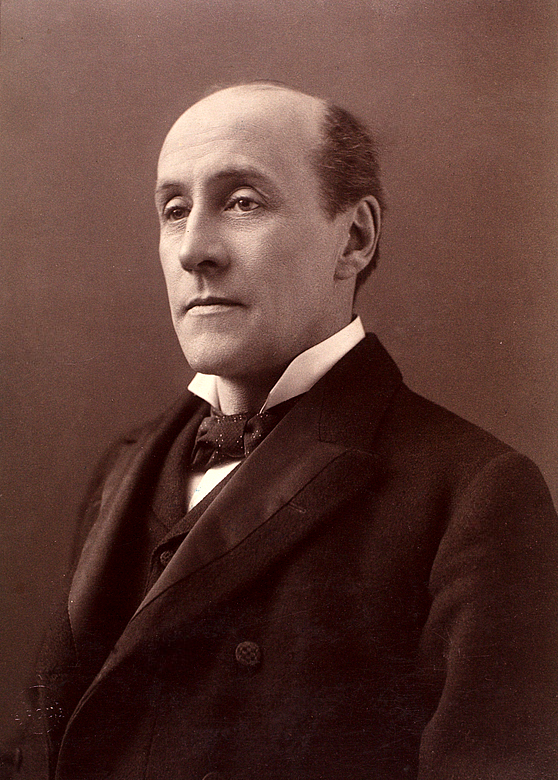
William Sharp was a Scottish writer renowned for his contributions to poetry and literary biography. He gained prominence in the late 19th century, particularly through his work under the pseudonym Fiona Macleod, which he adopted in 1893. This alter ego allowed him to explore themes of mysticism and Celtic folklore, setting his work apart in the literary landscape of his time. Sharp's poetry often reflected his deep appreciation for nature and the spiritual, resonating with the Symbolist movement that was gaining traction in Europe. In addition to his poetry, Sharp was a notable editor, curating the works of significant literary figures such as Ossian, Walter Scott, and Algernon Charles Swinburne. His editing not only preserved these important texts but also highlighted the rich tapestry of Scottish literature. Sharp's dual identity as both a poet and an editor enriched his literary legacy, making him a key figure in the revival of interest in Celtic themes and the broader literary culture of Scotland. His work continues to be recognized for its lyrical beauty and its role in shaping the narrative of Scottish literary heritage.
Famous Quotes
View all 2 quotes“The air is blue and keen and cold, With snow the roads and fields are white; But here the forest's clothed with light And in a shining sheath enrolled. Each branch, each twig, each blade of grass, Seems clad miraculously with glass: Above the ice-bound streamlet bends Each frozen fern with crystal ends.”
“O never a green leaf whispers, where the green-gold branches swing: O never a song I hear now, where one was wont to sing. Here in the heart of Summer, sweet is life to me still, But my heart is a lonely hunter that hunts on a lonely hill.”
Books from the author
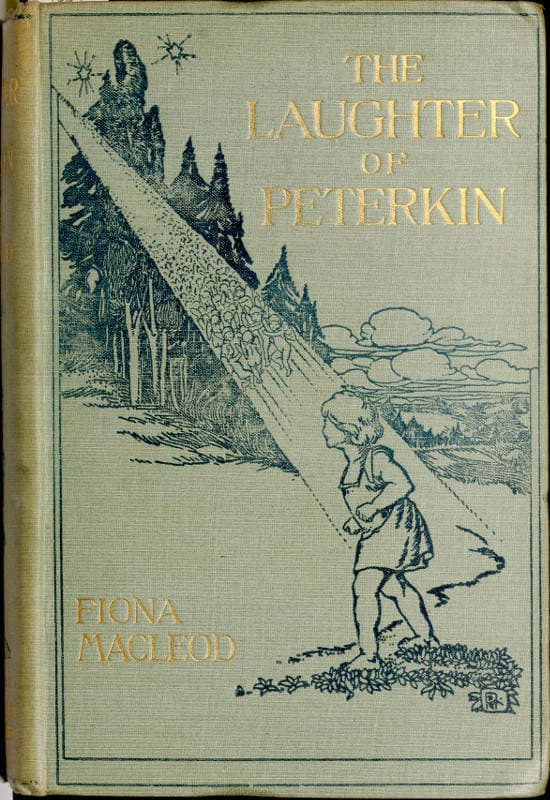
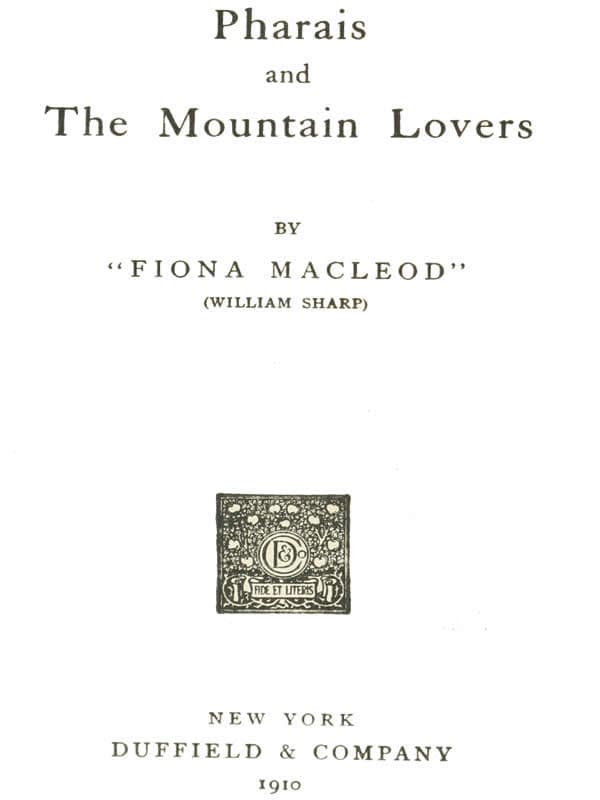
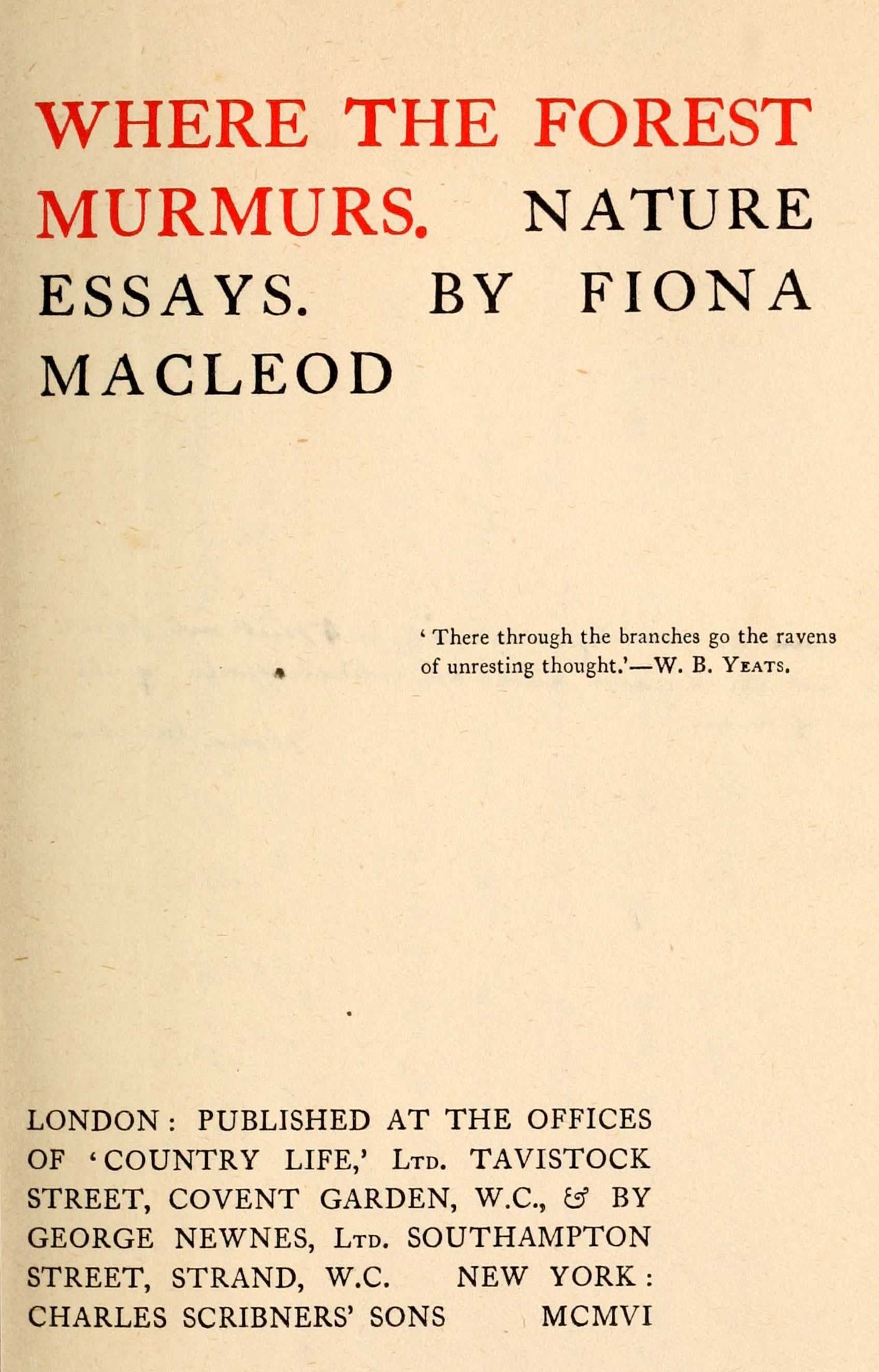


Link to this page
Add a free, dofollow link to Lex on your blog, forum, syllabus, or reading list.

<a href="https://lex-books.com/author/william-sharp"><img src="https://lex-books.com/badges/read-on-lex.svg" alt="William Sharp on Lex" width="160" height="40"></a>[](https://lex-books.com/author/william-sharp)[url=https://lex-books.com/author/william-sharp][img]https://lex-books.com/badges/read-on-lex.svg[/img][/url]William Sharp on Lex: https://lex-books.com/author/william-sharp