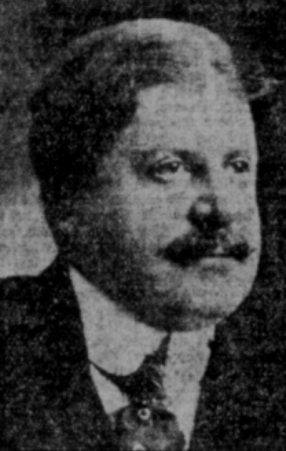
William Lee Howard
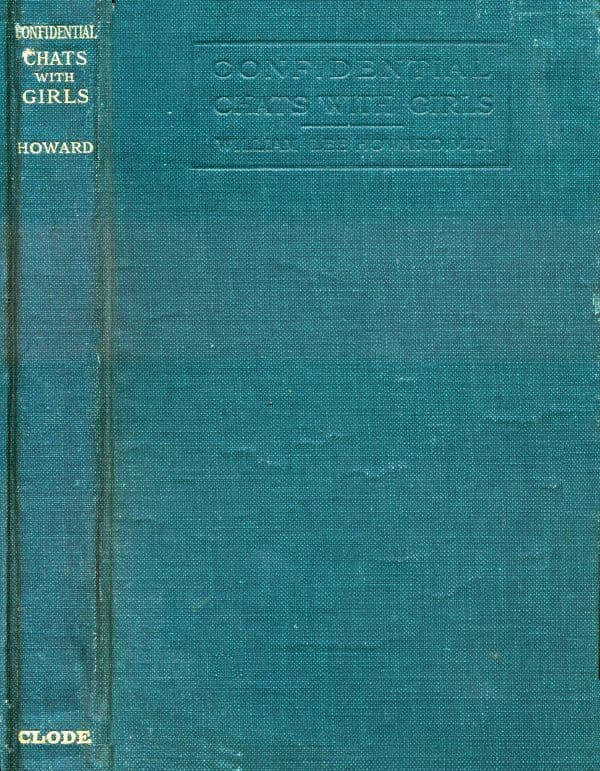
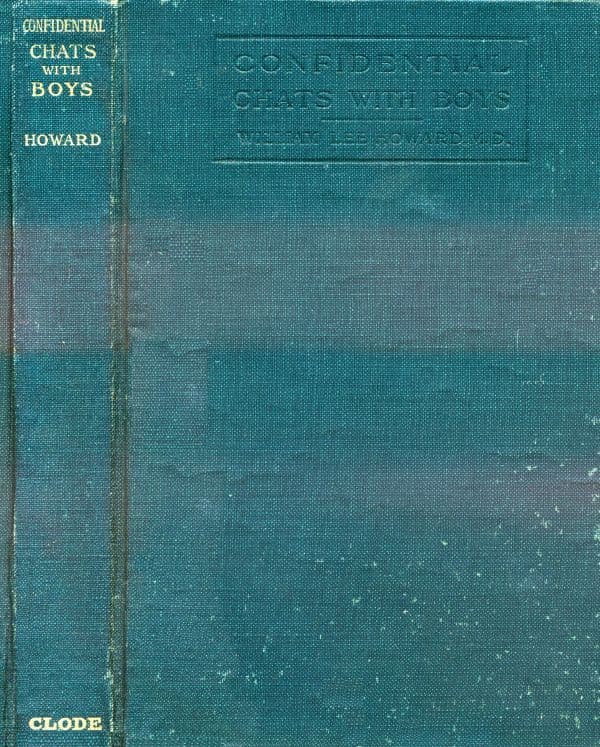
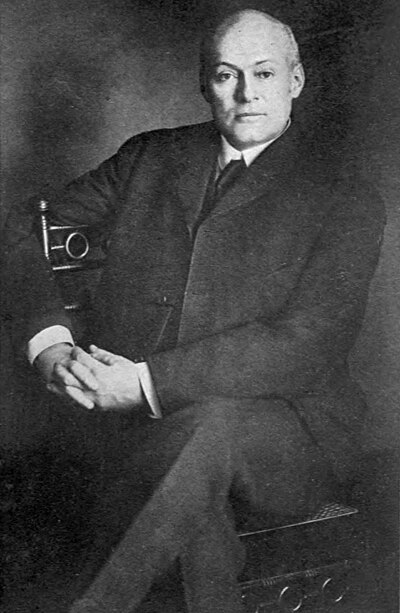
William Lee Howard was an American physician and writer known for his unconventional life and controversial views. Born in Hartford, Connecticut, he was the son of a Republican Party founder and pursued an extensive education in medicine, studying at prestigious institutions including the College of Physicians and Surgeons in New York and the University of Vermont, where he earned his M.D. in 1890. Despite his medical training, Howard's career was marked by a series of eccentric pursuits, including time spent on whaling ships and as a correspondent for the New York Herald, where he reported on significant events like the Mahdist War and the search for the lost USS Jeannette. His adventurous spirit took him to Iceland, where he claimed to be the first to summit Herðubreið, and he also spent time in Siberia during his travels. Howard's literary contributions primarily focused on controversial subjects, particularly regarding race and sexuality. He authored several works that sparked debate, including writings that expressed views on racial segregation. His perspectives were often met with criticism, and he was described by contemporaries as an eccentric figure whose talents were underappreciated within the medical community. Despite this, he garnered a degree of respect from the public for his pamphleteering on sex-related topics. Howard's legacy is one of a complex individual whose life and writings reflect the tensions of his time, blending medical knowledge with provocative social commentary.
Books from the author




Link to this page
Add a free, dofollow link to Lex on your blog, forum, syllabus, or reading list.

<a href="https://lex-books.com/author/william-lee-howard"><img src="https://lex-books.com/badges/read-on-lex.svg" alt="William Lee Howard on Lex" width="160" height="40"></a>[](https://lex-books.com/author/william-lee-howard)[url=https://lex-books.com/author/william-lee-howard][img]https://lex-books.com/badges/read-on-lex.svg[/img][/url]William Lee Howard on Lex: https://lex-books.com/author/william-lee-howard