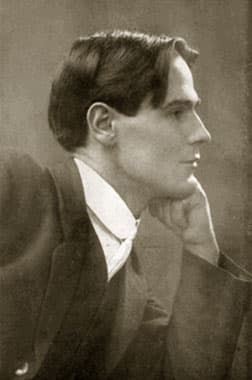
William Hope Hodgson
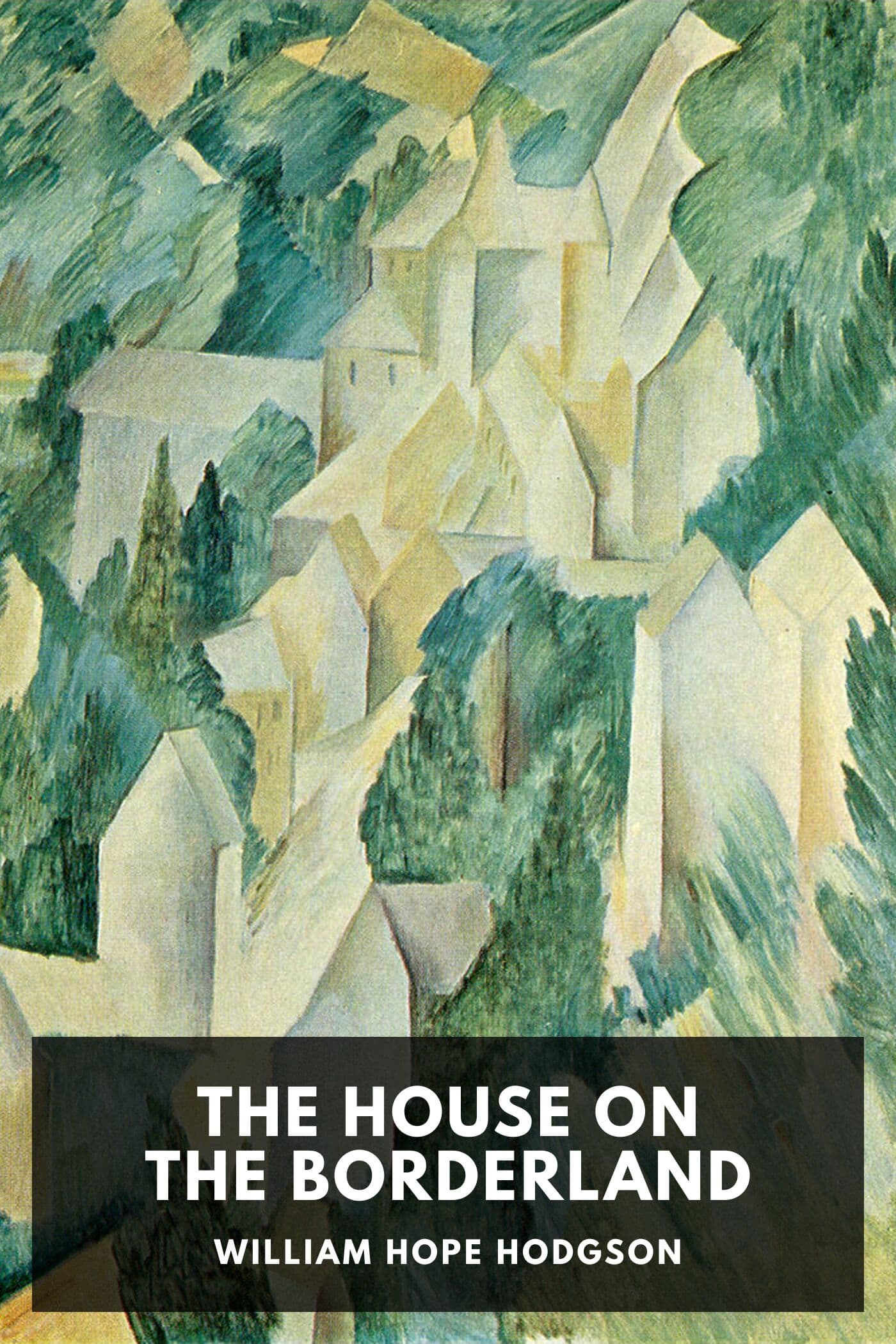
William Hope Hodgson was an English author renowned for his contributions to horror, fantastic fiction, and science fiction. Drawing from his experiences at sea, Hodgson crafted a diverse body of work that included essays, short stories, and novels, often infused with authentic maritime detail. His notable works, such as 'The House on the Borderland' and 'The Night Land,' explore cosmic themes and delve into the terrors of the ocean, establishing him as a pioneer in blending psychological horror with speculative fiction. His series of linked tales, the 'Sargasso Sea Stories,' further exemplifies his unique ability to evoke dread and wonder in equal measure. In addition to his literary pursuits, Hodgson was also an accomplished photographer and a bodybuilder, showcasing a multifaceted talent that extended beyond writing. Despite his relatively short life, cut short by his service in World War I, Hodgson's influence on the horror genre has been significant, inspiring later writers and shaping the landscape of weird fiction. His works continue to be celebrated for their innovative approach to horror and the supernatural, solidifying his legacy as a key figure in early 20th-century literature.
Famous Quotes
View all 3 quotes“I read, and, in reading, lifted the Curtains of the Impossible that blind the mind, and looked out into the unknown.”
“There had stood a great house in the centre of the gardens, where now was left only that fragment of ruin. This house had been empty for a great while; years before his—the ancient man's—birth. It was a place shunned by the people of the village, as it had been shunned by their fathers before them. There were many things said about it, and all were of evil. No one ever went near it, either by day or night. In the village it was a synonym of all that is unholy and dreadful.”
“And, suddenly, it came home to me that I was a little man in a little ship, in the midst of a very great sea.”
Books from the author

Link to this page
Add a free, dofollow link to Lex on your blog, forum, syllabus, or reading list.

<a href="https://lex-books.com/author/william-hope-hodgson"><img src="https://lex-books.com/badges/read-on-lex.svg" alt="William Hope Hodgson on Lex" width="160" height="40"></a>[](https://lex-books.com/author/william-hope-hodgson)[url=https://lex-books.com/author/william-hope-hodgson][img]https://lex-books.com/badges/read-on-lex.svg[/img][/url]William Hope Hodgson on Lex: https://lex-books.com/author/william-hope-hodgson