
William Hill Brown
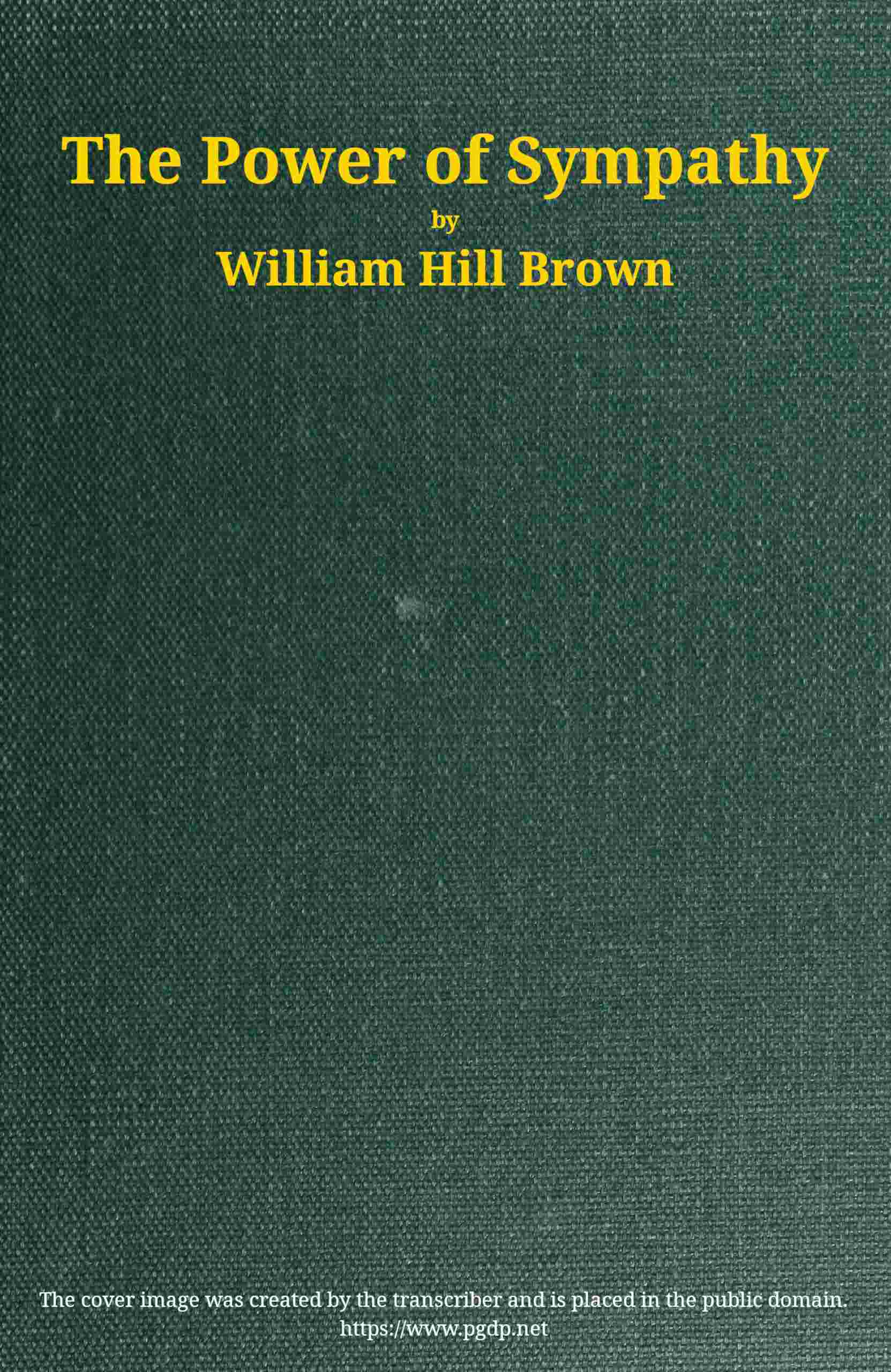
William Hill Brown was an American novelist recognized for his pioneering contributions to American literature. He is best known for writing 'The Power of Sympathy' in 1789, which is often regarded as the first American novel. This work explored themes of love, morality, and the complexities of human relationships, setting a precedent for future American fiction. In addition to his groundbreaking novel, Brown authored 'Harriot, or the Domestic Reconciliation', further showcasing his engagement with social issues and the domestic sphere. He also contributed to the literary landscape through his serial essay 'The Reformer', published in Isaiah Thomas' Massachusetts Magazine, where he addressed various societal concerns of his time. Brown's significance lies not only in his status as a foundational figure in American literature but also in his exploration of emotional depth and moral dilemmas that would influence subsequent writers. His works reflect the early American experience and the evolving identity of the nation, marking him as a crucial figure in the transition from colonial to independent American literature. Despite his brief life, Brown's impact on the literary scene established him as a key precursor to the development of the American novel, paving the way for future generations of writers.
Famous Quotes
View all 1 quotes“Were I to throw my thoughts on this subject," said my good father-in-law, as he began to enter more warmly into the debates, drawing his chair opposite Worthy, and raising his hand with a poetical enthusiasm—"Were I to throw my thoughts on this subject into an Allegory, I would describe the human mind as an extensive plain, and knowledge as the river that should water it. If the course of the river be properly directed, the plain will be fertilized and cultivated to advantage; but if books, which are the sources that feed this river, rush into it from every quarter, it will overflow its banks, and the plain will become inundated: When, therefore, knowledge flows on in its proper channel, this extensive and valuable field, the mind, instead of being covered with stagnant waters, is cultivated to the utmost advantage, and blooms luxuriantly into a general efflorescence—for a river properly restricted by high banks, is necessarily progressive.”
Books from the author


Link to this page
Add a free, dofollow link to Lex on your blog, forum, syllabus, or reading list.

<a href="https://lex-books.com/author/william-hill-brown"><img src="https://lex-books.com/badges/read-on-lex.svg" alt="William Hill Brown on Lex" width="160" height="40"></a>[](https://lex-books.com/author/william-hill-brown)[url=https://lex-books.com/author/william-hill-brown][img]https://lex-books.com/badges/read-on-lex.svg[/img][/url]William Hill Brown on Lex: https://lex-books.com/author/william-hill-brown