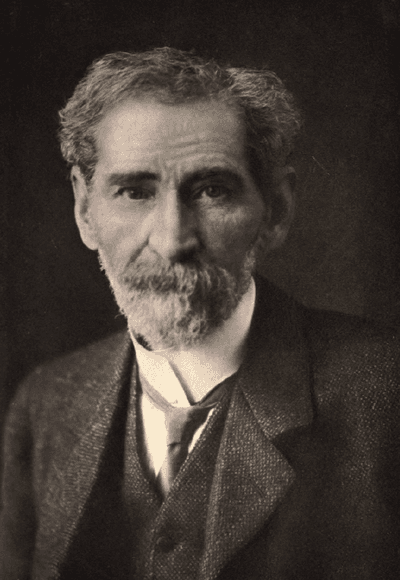
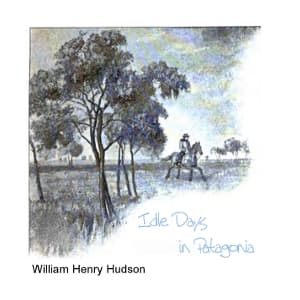
William Henry Hudson
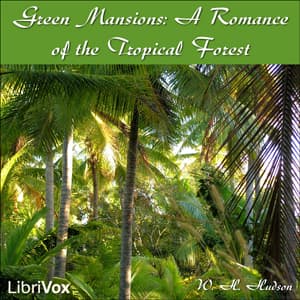
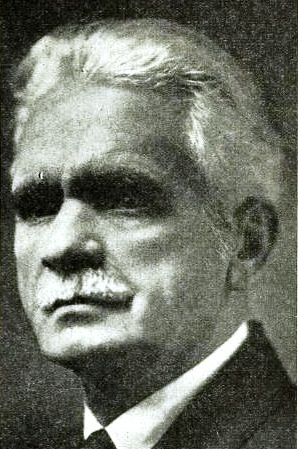
William Henry Hudson was an Anglo-Argentine author, naturalist, and ornithologist whose life and work were deeply intertwined with the landscapes of Argentina. Born in the vast pampas, Hudson developed a profound appreciation for nature from an early age, which influenced his writing and scientific pursuits. His keen observations of bird life led him to collect specimens for the Smithsonian Institution, and he became known for his contributions to ornithology, with two bird species named in his honor. Hudson's literary career flourished as he began to write about the natural world and the human experience within it, particularly in the rugged terrains of Patagonia. Among his notable works, "Green Mansions" (1904) stands out as a romantic tale set in the Venezuelan forest, blending elements of fantasy and adventure. This work not only garnered significant acclaim but also inspired a Hollywood adaptation, highlighting Hudson's ability to weave enchanting narratives. His writings are characterized by rich descriptions and a deep understanding of the environment, making him a significant figure in both literature and natural history. Hudson's legacy endures through his contributions to literature and his passionate advocacy for the natural world, influencing future generations of writers and naturalists alike.
Famous Quotes
View all 3 quotes“There are many Green Dragons in this world of wayside inns, even as there are many White Harts, Red Lions, Silent Women and other incredible things...”
“Of all the people I have ever known you are the only one I don't know.”
“The blue sky, the brown soil beneath, the grass, the trees, the animals, the wind, and rain, and stars are never strange to me; for I am in and of and am one with them; and my flesh and the soil are one, and the heat in my blood and in the sunshine are one, and the winds and the tempests and my passions are one. I feel the 'strangeness' only with regard to my fellow men, especially in towns, where they exist in conditions unnatural to me, but congenial to them.... In such moments we sometimes feel a kinship with, and are strangely drawn to, the dead, who were not as these; the long, long dead, the men who knew not life in towns, and felt no strangeness in sun and wind and rain.”
Books from the author




Link to this page
Add a free, dofollow link to Lex on your blog, forum, syllabus, or reading list.

<a href="https://lex-books.com/author/william-henry-hudson"><img src="https://lex-books.com/badges/read-on-lex.svg" alt="William Henry Hudson on Lex" width="160" height="40"></a>[](https://lex-books.com/author/william-henry-hudson)[url=https://lex-books.com/author/william-henry-hudson][img]https://lex-books.com/badges/read-on-lex.svg[/img][/url]William Henry Hudson on Lex: https://lex-books.com/author/william-henry-hudson