Lex

Browse

GenresShelvesPremiumBlog

Company

AboutJobsPartnersSell on LexAffiliates

Audio

Lex StudioVoicesFirst chapter freeAudiobook pricingAudiobook samplesAudiobook guidesAudio blog

Resources

DocsInvite FriendsFAQ

Legal

Terms of ServicePrivacy Policygeneral@lex-books.com+1 951-551-2243WhatsApp (international)

© 2026 LexBooks, Inc. All rights reserved.

William Hardy

Famous Quotes

View all 6 quotes

“by confusing life with play-acting and play-acting with life, one may perhaps construct a tolerable moral world from shattered fragments of the past””

Europe's Steppe Frontier, 1500-1800: A Study of the Eastward Movement in Europe

“So began my love affair with books. Years later, as a college student, I remember having a choice between a few slices of pizza that would have held me over for a day or a copy of On the Road. I bought the book. I would have forgotten what the pizza tasted like, but I still remember Kerouac. The world was mine for the reading. I traveled with my books. I was there on a tramp steamer in the North Atlantic with the Hardy Boys, piecing together an unsolvable crime. I rode into the Valley of Death with the six hundred and I stood at the graves of Uncas and Cora and listened to the mournful song of the Lenni Linape. Although I braved a frozen death at Valley Forge and felt the spin of a hundred bullets at Shiloh, I was never afraid. I was there as much as you are where you are, right this second. I smelled the gunsmoke and tasted the frost. And it was good to be there. No one could harm me there. No one could punch me, slap me, call me stupid, or pretend I wasn’t in the room. The other kids raced through books so they could get the completion stamp on their library card. I didn’t care about that stupid completion stamp. I didn’t want to race through books. I wanted books to walk slowly through me, stop, and touch my brain and my memory. If a book couldn’t do that, it probably wasn’t a very good book. Besides, it isn’t how much you read, it’s what you read. What I learned from books, from young Ben Franklin’s anger at his brother to Anne Frank’s longing for the way her life used to be, was that I wasn’t alone in my pain. All that caused me such anguish affected others, too, and that connected me to them and that connected me to my books. I loved everything about books. I loved that odd sensation of turning the final page, realizing the story had ended, and feeling that I was saying a last goodbye to a new friend.””

No Time to Say Goodbye: A Memoir of a Life in Foster Care

“Here Elphinstone sat scribbling in his diary, trying to make sense of the Afghan character in all its rich contradictions. “Their vices,” he wrote, “are revenge, envy, avarice, rapacity, and obstinacy; on the other hand, they are fond of liberty, faithful to their friends, kind to their dependents, hospitable, brave, hardy, frugal, laborious, and prudent.”45 He was astute enough to note that success in battle in Afghanistan was rarely decided by straightforward military victory so much as by successfully negotiating a path through the shifting patterns of tribal allegiances. “The victory is usually decided by some chief going over to the enemy,” wrote Elphinstone, “on which the greater part of the army either follows his example or else takes flight.”46 c Shuja””

Return of a King: The Battle for Afghanistan, 1839-42

Books from the author

right arrow

Pioneer

William Hardy

Pioneer

More authors like this

right arrow
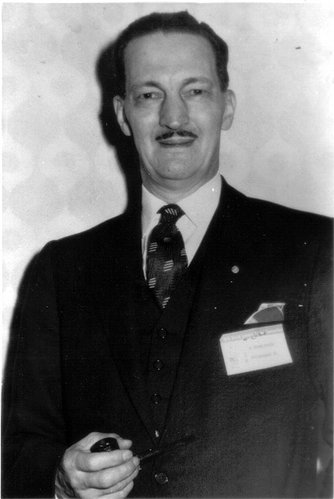
Frank Belknap Long
Frank Belknap Long
1903-1994
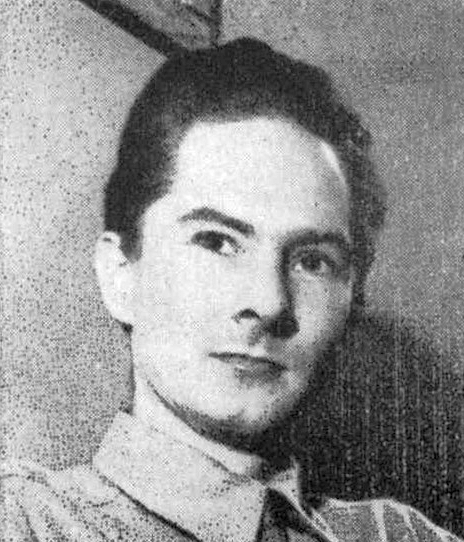
Fritz Leiber
Fritz Leiber
1910-1992
H. Beam Piper
H. Beam Piper
1904-1964
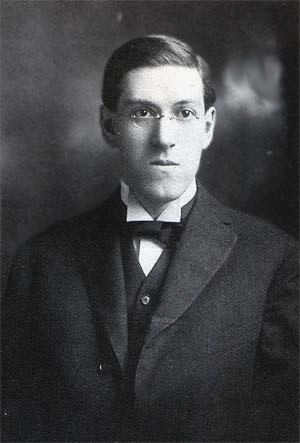
H. P. Lovecraft
H. P. Lovecraft
1890-1937
Henry Slesar
Henry Slesar
1927-2002
Jerome Bixby
Jerome Bixby
1923-1998
Lord Dunsany
Lord Dunsany
1878-1957
Philip K. Dick
Philip K. Dick
1928-1982
Robert E. Howard
Robert E. Howard
1906-1936
Robert F. Young
Robert F. Young
1915-1986
Robert Sheckley
Robert Sheckley
1928-2005
Winston K. Marks
1915-1979
Anton Pavlovich Chekhov
1860-1904
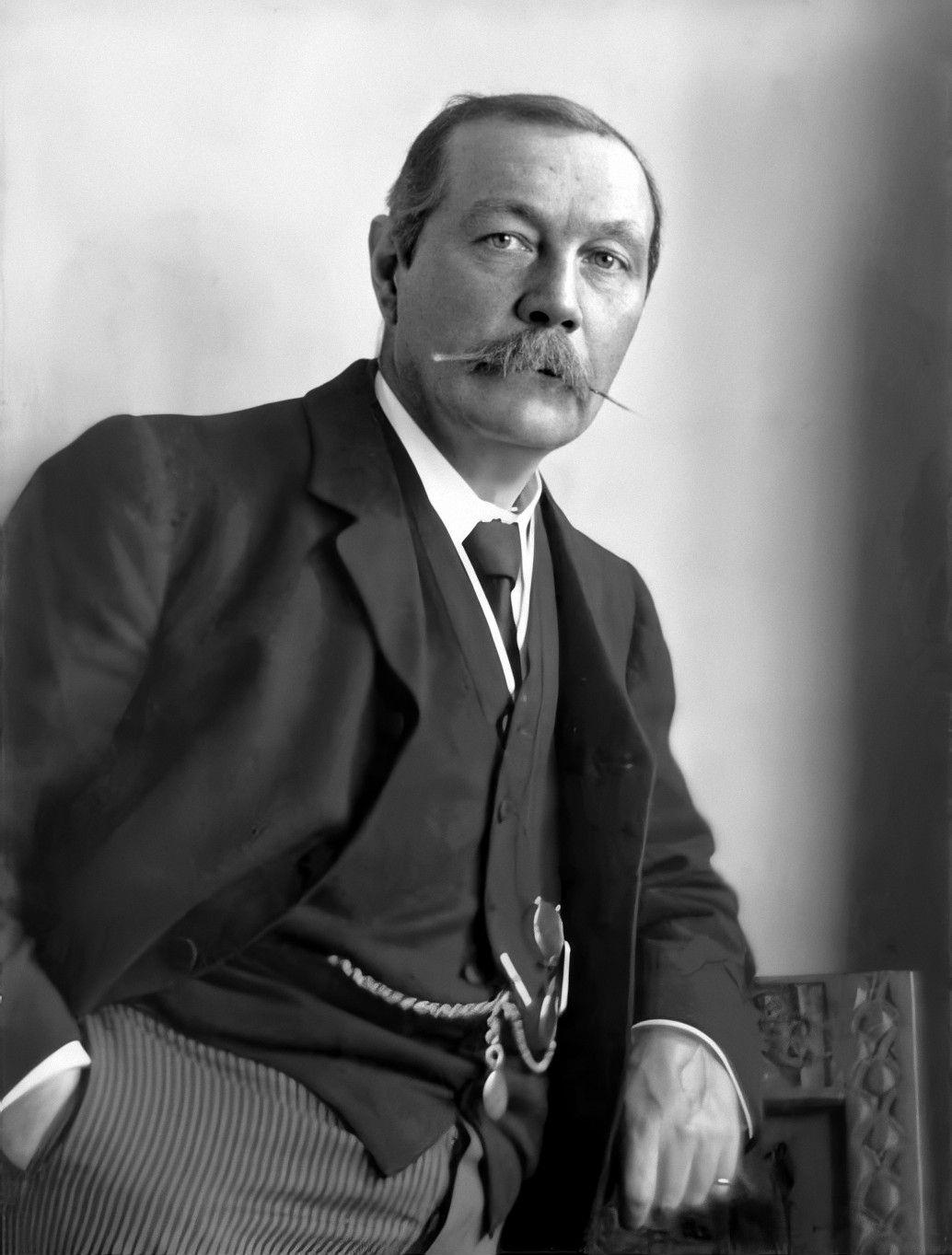
Arthur Conan Doyle
Arthur Conan Doyle
1859-1930
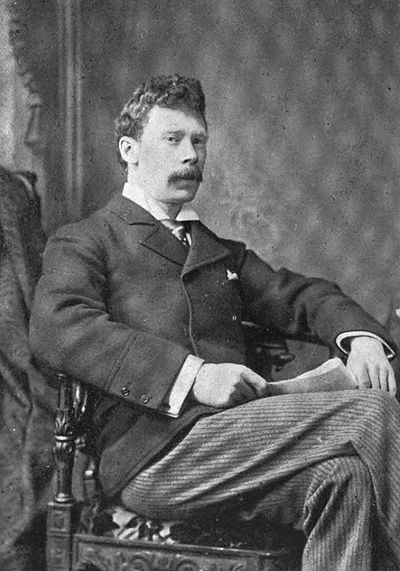
Arthur Quiller-Couch
1863-1944
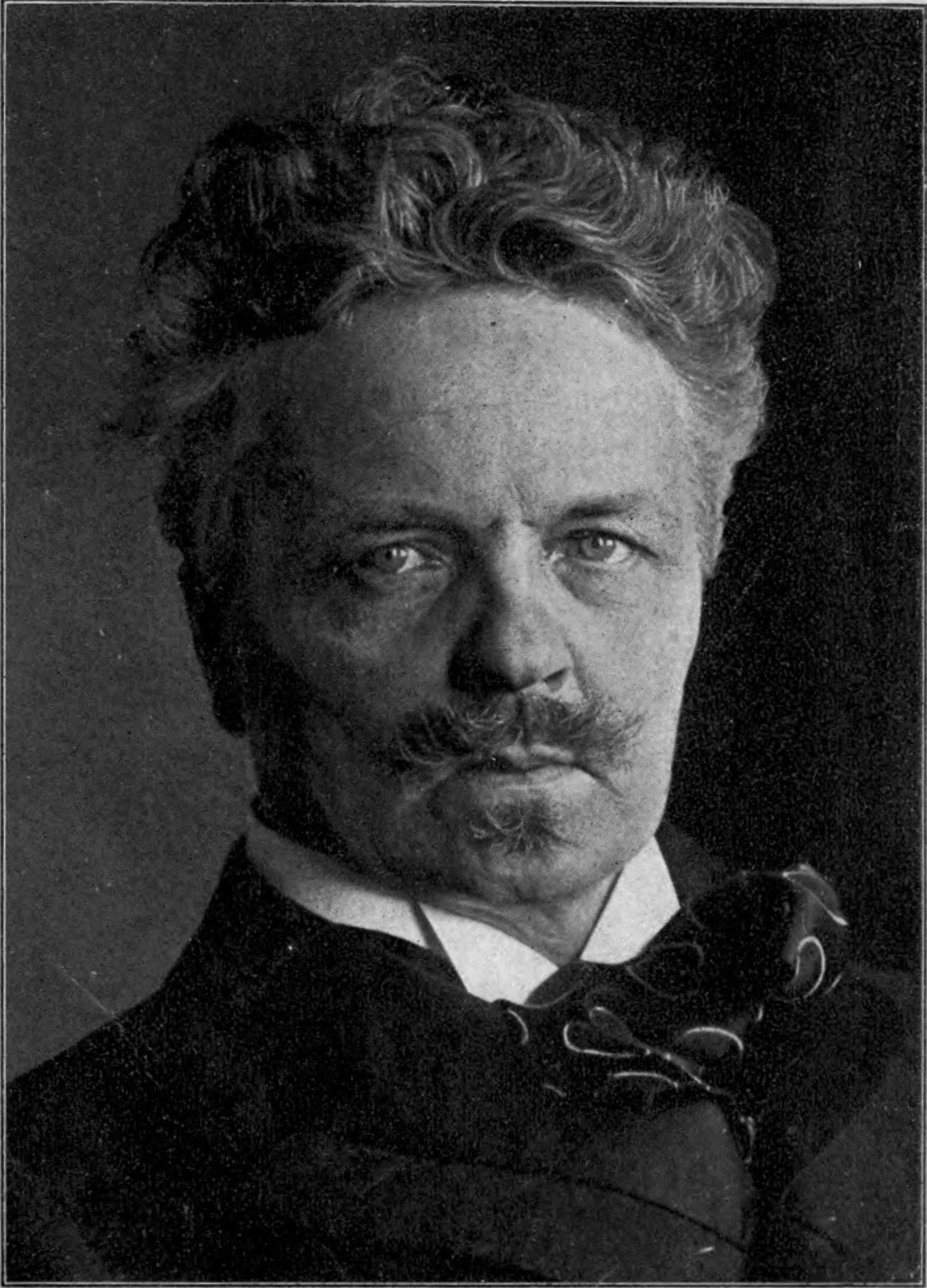
August Strindberg
August Strindberg
1849-1912

Link to this page

Add a free, dofollow link to Lex on your blog, forum, syllabus, or reading list.

William Hardy on Lex
HTML
<a href="https://lex-books.com/author/william-hardy"><img src="https://lex-books.com/badges/read-on-lex.svg" alt="William Hardy on Lex" width="160" height="40"></a>
Markdown
[![William Hardy on Lex](https://lex-books.com/badges/read-on-lex.svg)](https://lex-books.com/author/william-hardy)
BBCode
[url=https://lex-books.com/author/william-hardy][img]https://lex-books.com/badges/read-on-lex.svg[/img][/url]
Plain link
William Hardy on Lex: https://lex-books.com/author/william-hardy