
Robert F. Young
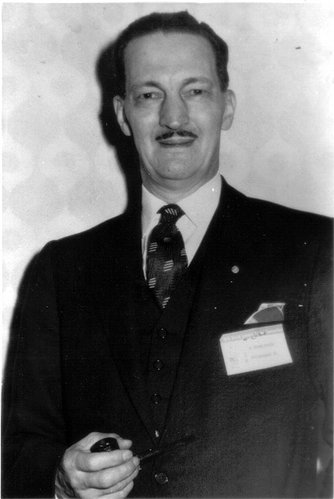
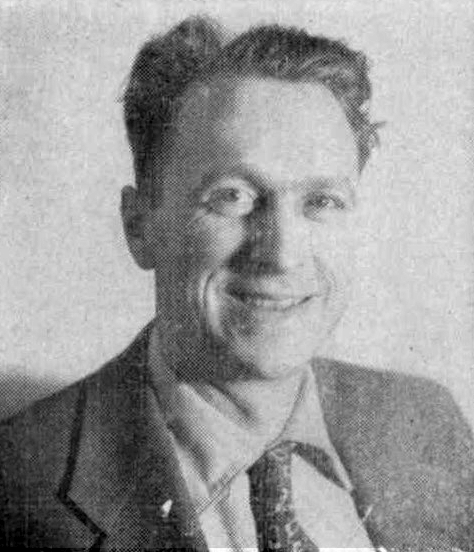
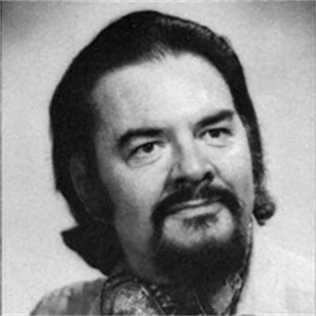
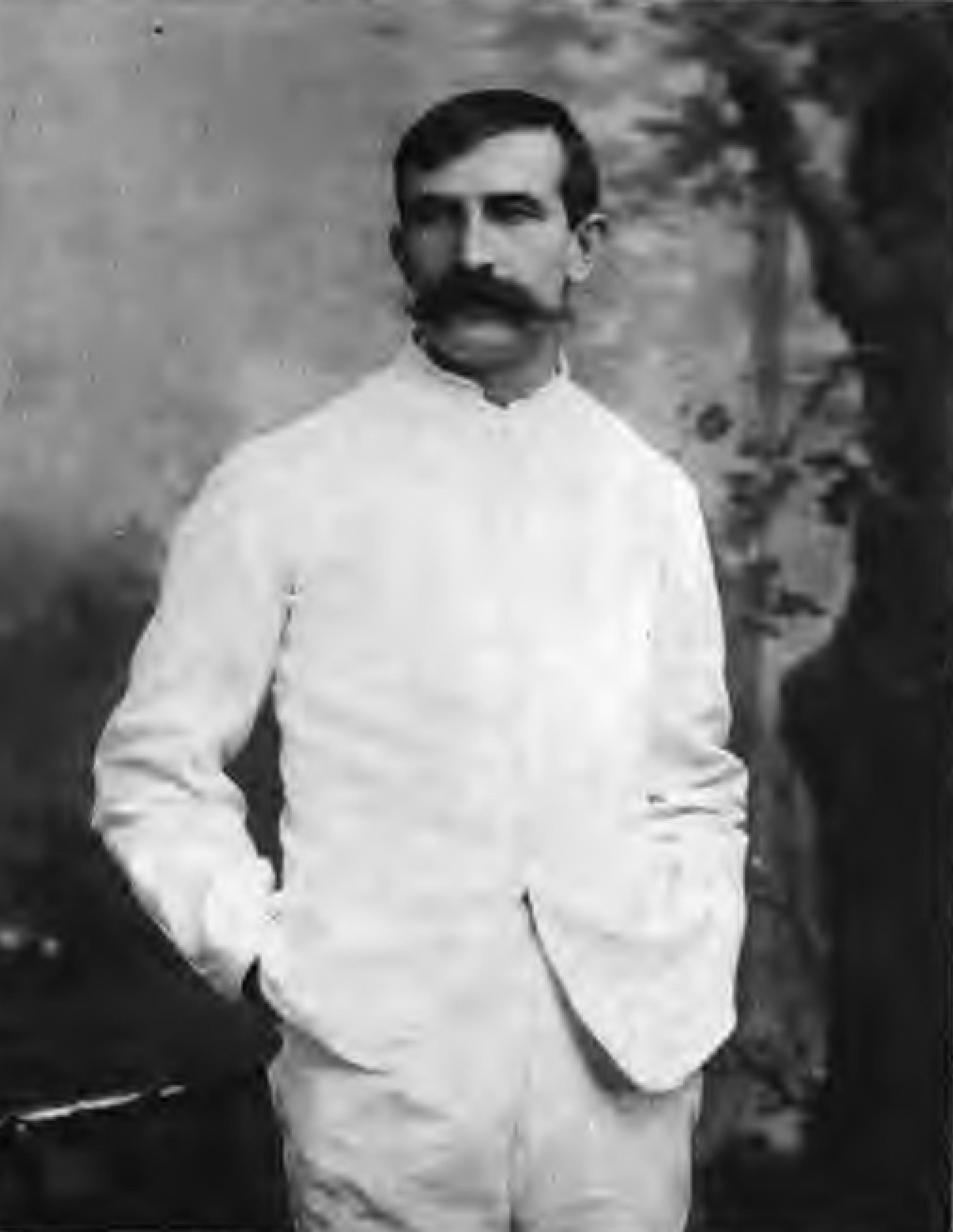
Robert F. Young was an American science fiction writer known for his poetic and romantic storytelling. Born in Silver Creek, New York, he spent most of his life in the state, except for a three-and-a-half-year stint in the Pacific Theatre during World War II. Young's literary career began in 1953 with publications in magazines such as Startling Stories, Playboy, and The Saturday Evening Post, where his imaginative narratives garnered attention. Despite his prolific output over more than three decades, he remained relatively obscure, even within the science fiction community, until later in life when it was revealed that he had worked as a janitor in the Buffalo public school system. Young's body of work primarily consisted of short stories that drew comparisons to the likes of Ray Bradbury and Theodore Sturgeon due to their lyrical quality and emotional depth. His stories found a receptive audience in Europe, particularly in France and Italy, where many were published in prominent science fiction anthologies. Though he may not have achieved widespread fame during his lifetime, Young's contributions to the genre have been recognized for their unique blend of romanticism and speculative fiction, leaving a lasting impact on the science fiction landscape.
Famous Quotes
View all 3 quotes“Day before yesterday I saw a rabbit, and yesterday a deer, and today, you.”
“It also demonstrated that far from being an impediment, knowledge is an asset to feminine charm.”
“That afternoon she was wearing a yellow dress the same shade as her hair, and again his throat tightened when he saw her, and again he could not speak. But when the first moment passed and words came, it was all right, and their thoughts flowed together like two effervescent brooks and coursed gaily through the arroyo of the afternoon. This time when they parted, it was she who asked, "Will you be here tomorrow?"—though only because she stole the question from his lips—and the words sang in his ears all the way back through the woods to the cabin and lulled him to sleep after an evening spent with his pipe on the porch.”
Books from the author






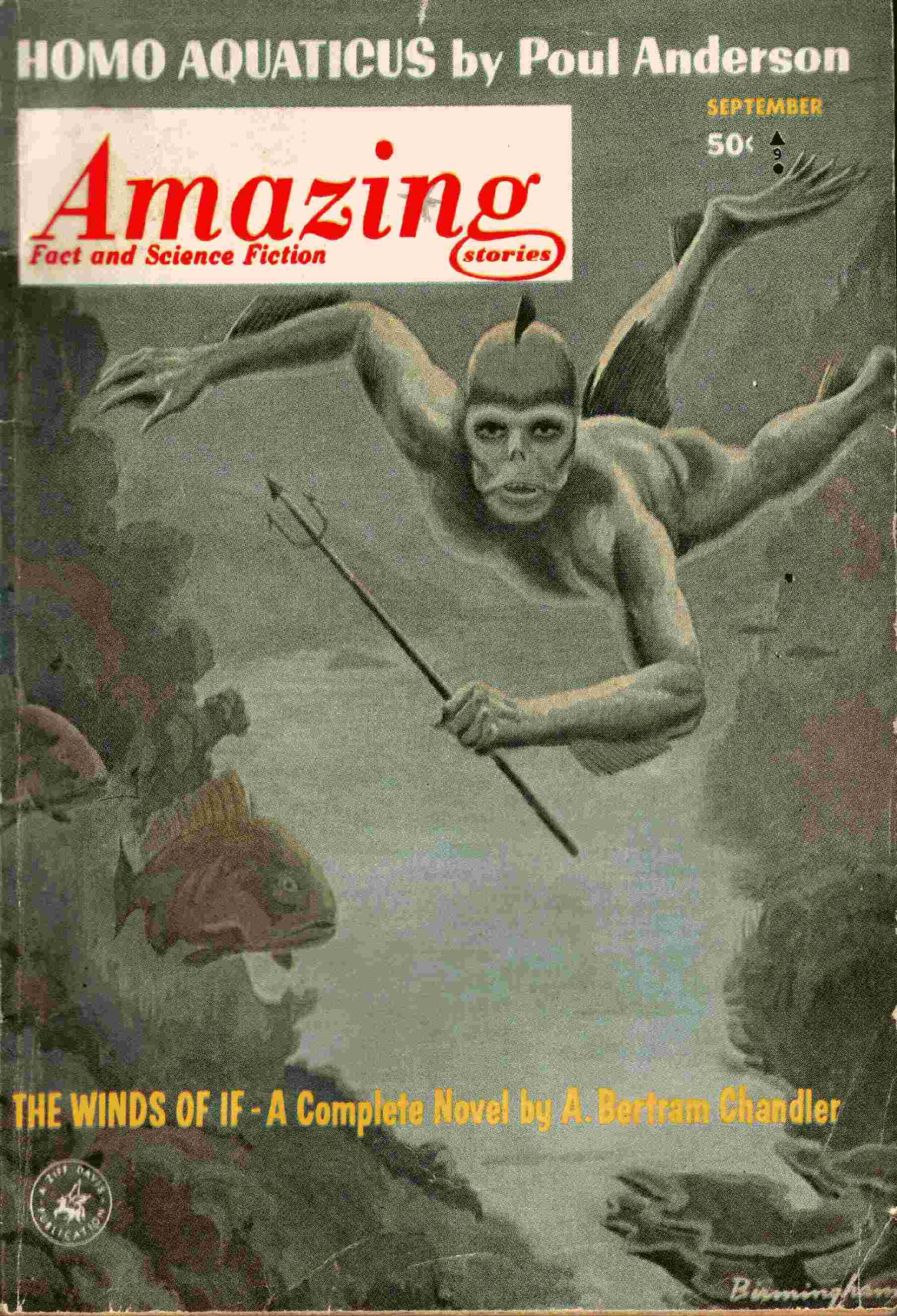
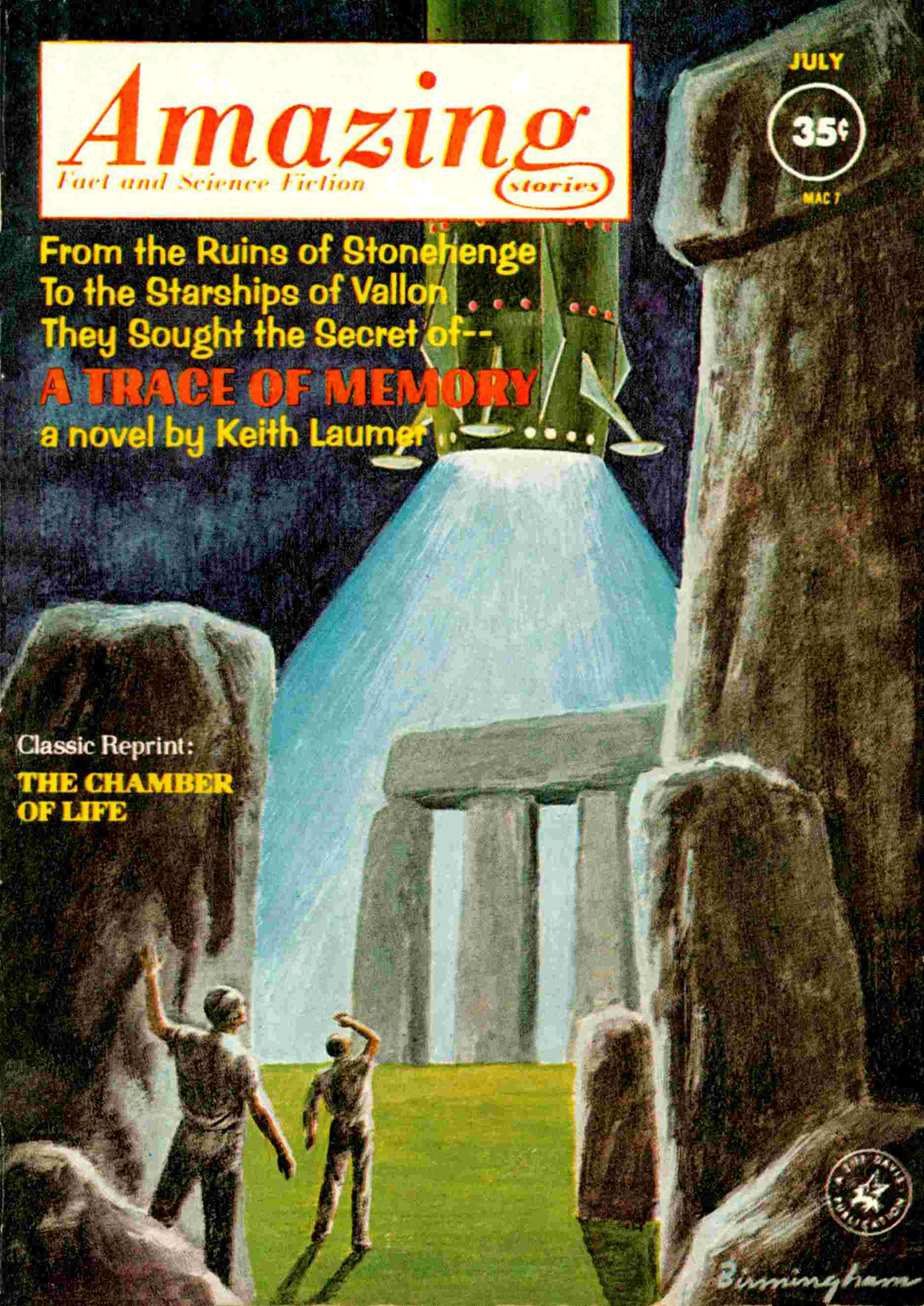



Link to this page
Add a free, dofollow link to Lex on your blog, forum, syllabus, or reading list.

<a href="https://lex-books.com/author/robert-f-young"><img src="https://lex-books.com/badges/read-on-lex.svg" alt="Robert F. Young on Lex" width="160" height="40"></a>[](https://lex-books.com/author/robert-f-young)[url=https://lex-books.com/author/robert-f-young][img]https://lex-books.com/badges/read-on-lex.svg[/img][/url]Robert F. Young on Lex: https://lex-books.com/author/robert-f-young