
Philip K. Dick
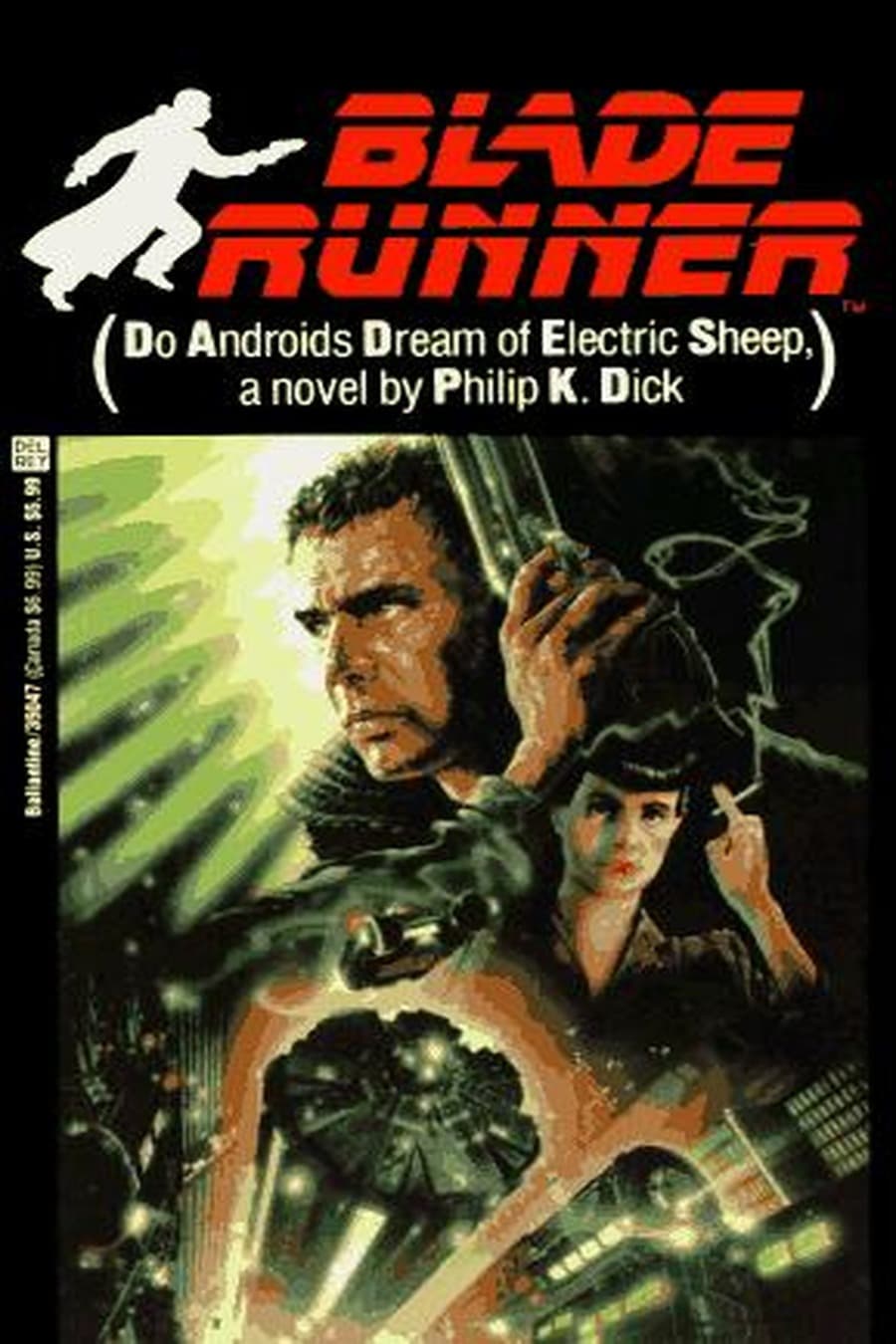
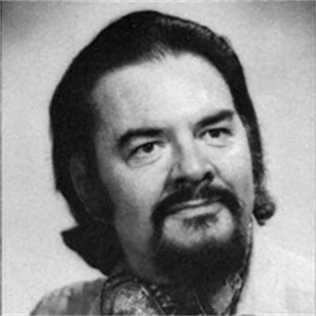
Philip K. Dick was an influential American science fiction writer known for his profound explorations of reality, identity, and human nature. Born in Chicago and raised in the San Francisco Bay Area, he began his writing career in the early 1950s, publishing numerous short stories and novels. Although he initially struggled to find commercial success, his breakthrough came with the alternative history novel The Man in the High Castle, which won a Hugo Award and established him as a significant voice in the genre. His later works, including Do Androids Dream of Electric Sheep? and Ubik, further solidified his reputation, delving into themes of consciousness, authoritarianism, and the impact of technology on society. In the 1970s, after a period marked by drug use and mystical experiences, Dick's writing took on a more philosophical and theological tone, as seen in novels like A Scanner Darkly and VALIS. His ability to weave complex narratives that questioned the nature of reality and perception has earned him a lasting legacy in science fiction. Posthumously, he has been recognized as a master of imaginative fiction, influencing countless writers and filmmakers, and his works continue to resonate in contemporary culture, underscoring his status as one of the most significant figures in 20th-century literature.
Famous Quotes
View all 20 quotes“It is sometimes an appropriate response to reality to go insane.””
“Reality is that which, when you stop believing in it, doesn't go away.””
“Maybe each human being lives in a unique world, a private world different from those inhabited and experienced by all other humans. . . If reality differs from person to person, can we speak of reality singular, or shouldn't we really be talking about plural realities? And if there are plural realities, are some more true (more real) than others? What about the world of a schizophrenic? Maybe it's as real as our world. Maybe we cannot say that we are in touch with reality and he is not, but should instead say, His reality is so different from ours that he can't explain his to us, and we can't explain ours to him. The problem, then, is that if subjective worlds are experienced too differently, there occurs a breakdown in communication ... and there is the real illness.””
Books from the author
















Link to this page
Add a free, dofollow link to Lex on your blog, forum, syllabus, or reading list.

<a href="https://lex-books.com/author/philip-k-dick"><img src="https://lex-books.com/badges/read-on-lex.svg" alt="Philip K. Dick on Lex" width="160" height="40"></a>[](https://lex-books.com/author/philip-k-dick)[url=https://lex-books.com/author/philip-k-dick][img]https://lex-books.com/badges/read-on-lex.svg[/img][/url]Philip K. Dick on Lex: https://lex-books.com/author/philip-k-dick