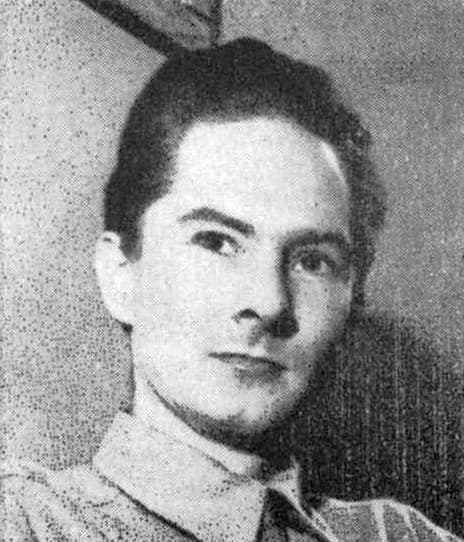
Jerome Bixby
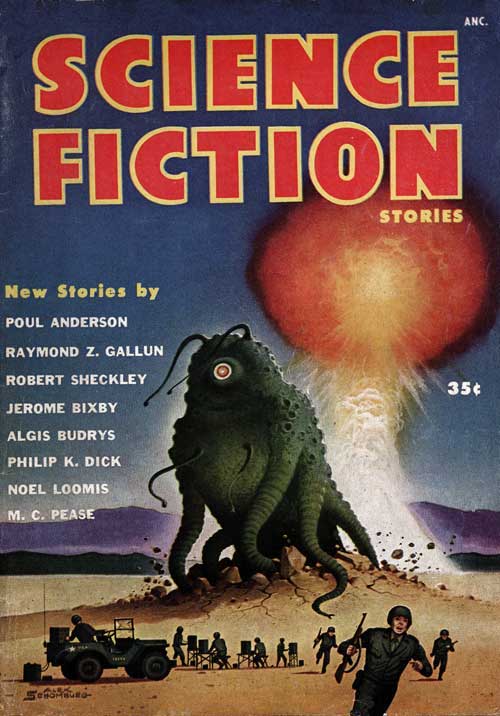
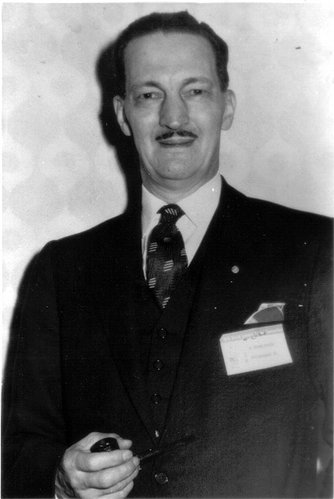
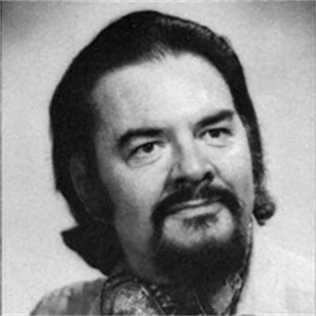
Jerome Bixby was an influential American short story writer and scriptwriter, best known for his contributions to the science fiction genre. His most notable work, the short story "It's a Good Life," published in 1953, was recognized as a significant piece of literature, earning a place in The Science Fiction Hall of Fame. The story's chilling premise about a boy with god-like powers was adapted into a memorable episode of the iconic television series The Twilight Zone in 1961 and later inspired a segment in Twilight Zone: The Movie (1983). Bixby's ability to blend psychological depth with speculative themes set a standard for future science fiction narratives. In addition to his work in short fiction, Bixby made substantial contributions to television, particularly through his four episodes of Star Trek, including the beloved "Mirror, Mirror" and "Requiem for Methuselah." He co-wrote the story for the groundbreaking science fiction film Fantastic Voyage (1966), further cementing his legacy in the genre. Bixby also explored various other genres, including westerns, often using multiple pseudonyms to diversify his writing. His final work, the screenplay for The Man from Earth, released in 2007, showcased his enduring influence and creativity, leaving a lasting mark on both literature and film within the science fiction community.
Famous Quotes
View all 3 quotes“..I was raised on the Torah, my wife on the Qu'Ran, my eldest son is an Atheist, my youngest is a scientologist, my daughter is studying Hinduism, I imagine there is room there for a holy war in my living room, but we practice live and let live.”
“Oh ... why not?' he smiled. "This valley is a pleasant spot for meditation. I like New England... it is here that I have experienced some of my greatest successes - and several notable defeats. Defeat, you know, is not such a bad thing, if there's not too much of it... it makes for humility, and humility makes for caution, therefore for safety.' ("Trace")”
“Mom looked out of the front window, across the darkened road, across Henderson's darkened wheatfield to the vast, endless, gray nothingness in which the little village of Peaksville floated like a soul-the huge nothingness that was evident at night, when Anthony's brassy day had gone.”
Books from the author



Link to this page
Add a free, dofollow link to Lex on your blog, forum, syllabus, or reading list.

<a href="https://lex-books.com/author/jerome-bixby"><img src="https://lex-books.com/badges/read-on-lex.svg" alt="Jerome Bixby on Lex" width="160" height="40"></a>[](https://lex-books.com/author/jerome-bixby)[url=https://lex-books.com/author/jerome-bixby][img]https://lex-books.com/badges/read-on-lex.svg[/img][/url]Jerome Bixby on Lex: https://lex-books.com/author/jerome-bixby