
William G. T. Shedd
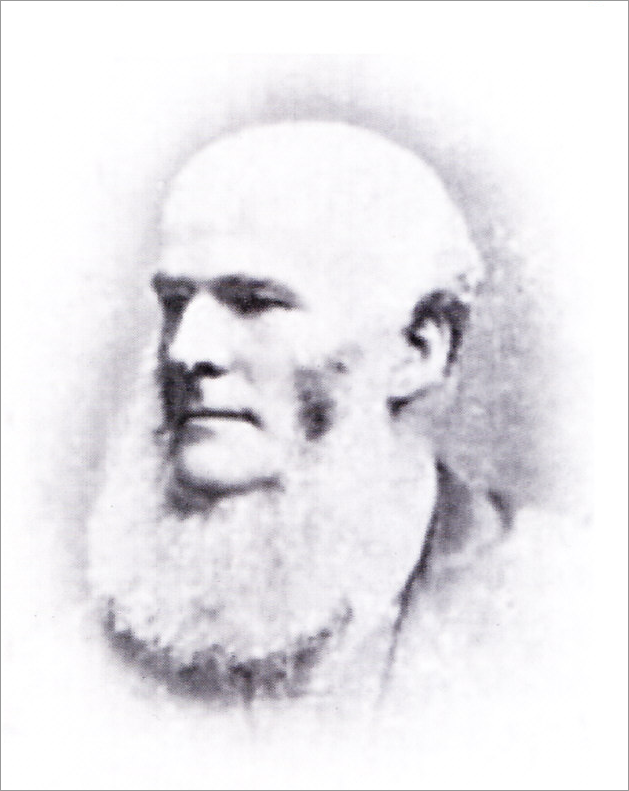
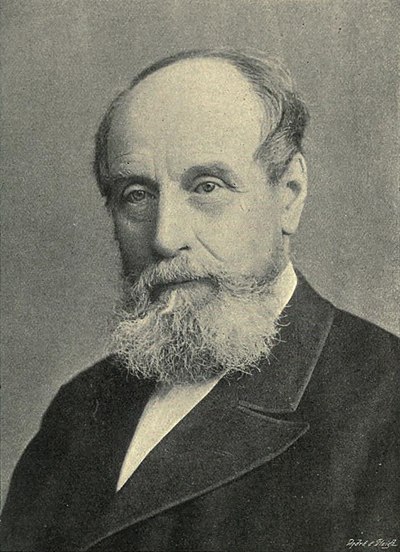
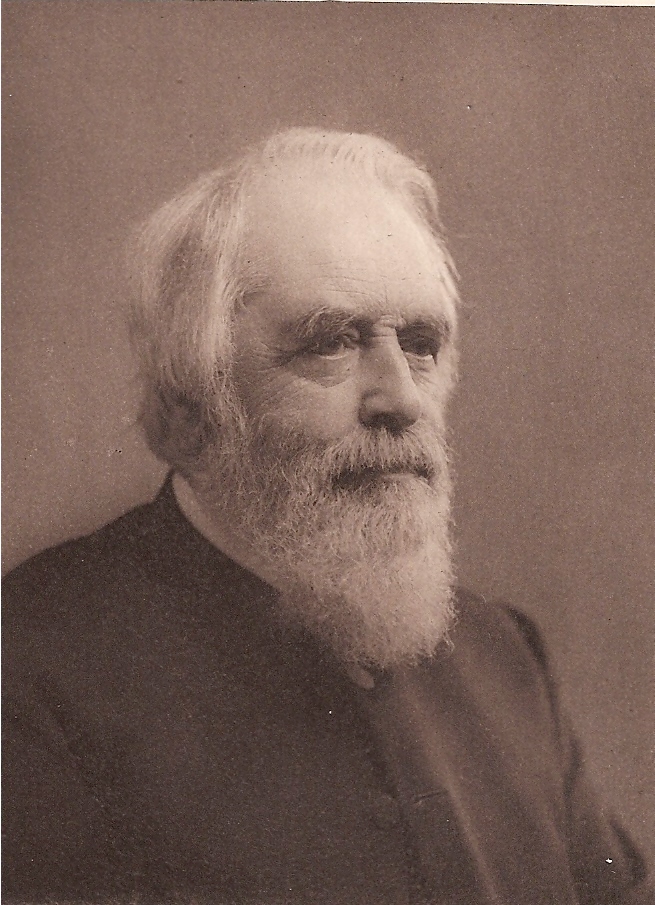
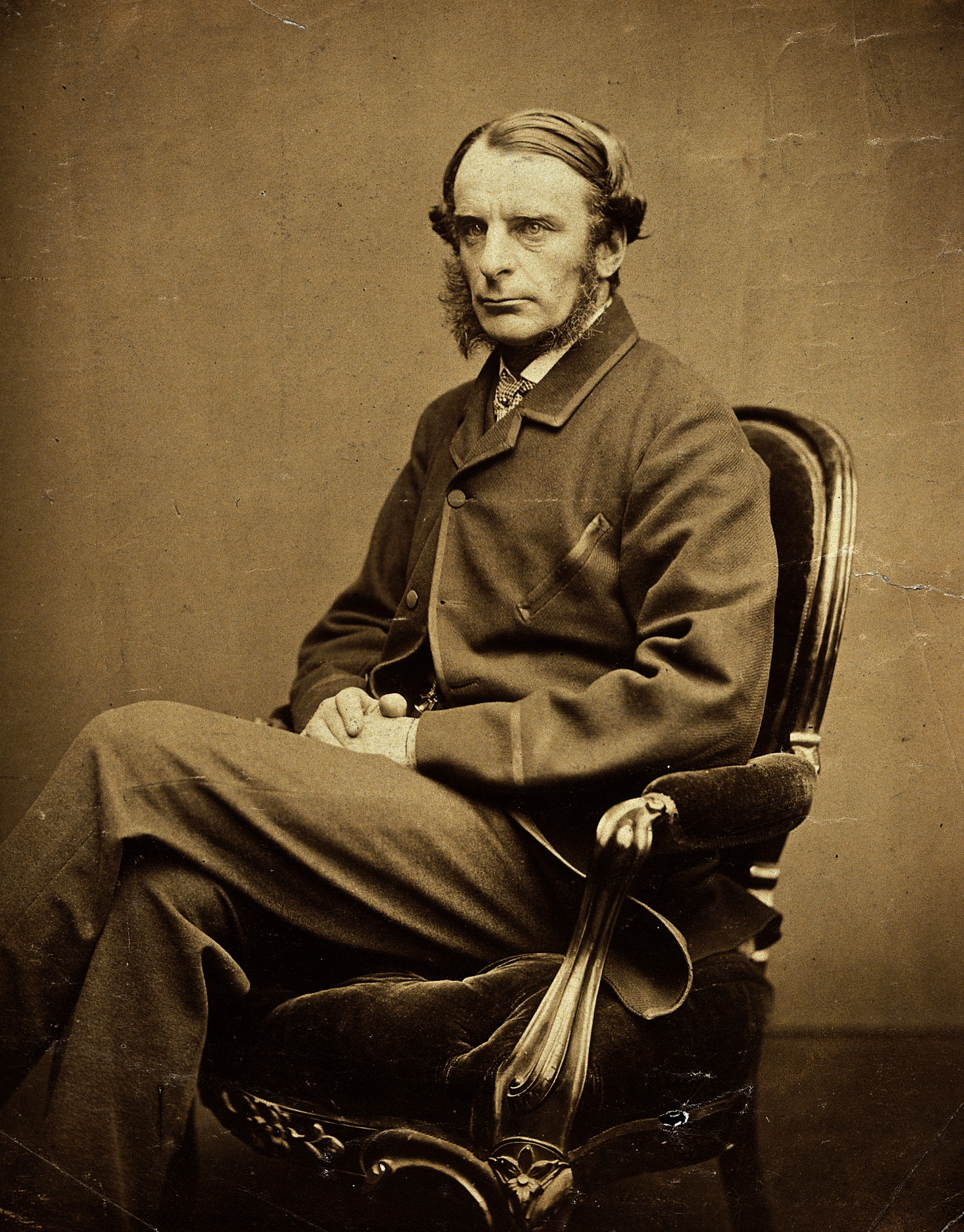
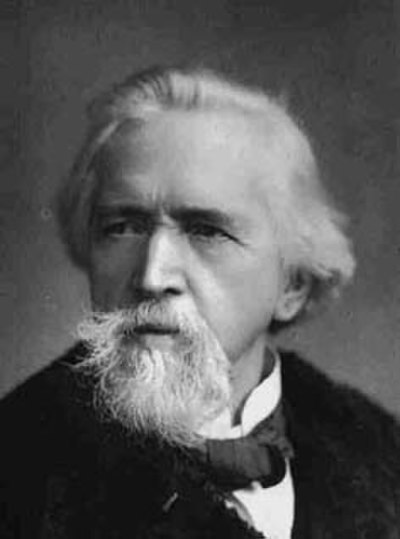
William G. T. Shedd was a prominent American theologian and author known for his influential works on Christian doctrine and ethics. Born in 1820, he was educated at the University of New York and later became a professor at Union Theological Seminary, where he shaped the minds of many future ministers. His writings often focused on the nature of God, the problem of evil, and the relationship between faith and reason, making significant contributions to Reformed theology. Among his notable works are "Dogmatic Theology," which is considered a classic in the field, and "Theology of the Old Testament," where he explored the theological implications of the Hebrew Scriptures. Shedd's ability to articulate complex theological concepts in an accessible manner helped to bridge the gap between academic theology and practical Christian living. His legacy endures through his writings, which continue to be studied by theologians and scholars, reflecting his lasting impact on American religious thought and the development of modern evangelicalism.
Famous Quotes
View all 8 quotes“A ship is safe in harbor, but that's not what ships are for.””
“error in a believer has more influence within the church than error in an unbeliever has.””
“if there be no love of righteousness, there is no anger at sin, and, conversely, if there be no anger at sin, there is no love of righteousness.””
Books from the author





Link to this page
Add a free, dofollow link to Lex on your blog, forum, syllabus, or reading list.

<a href="https://lex-books.com/author/william-g-t-shedd"><img src="https://lex-books.com/badges/read-on-lex.svg" alt="William G. T. Shedd on Lex" width="160" height="40"></a>[](https://lex-books.com/author/william-g-t-shedd)[url=https://lex-books.com/author/william-g-t-shedd][img]https://lex-books.com/badges/read-on-lex.svg[/img][/url]William G. T. Shedd on Lex: https://lex-books.com/author/william-g-t-shedd