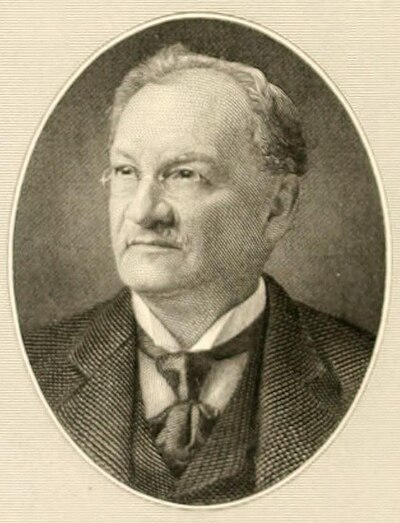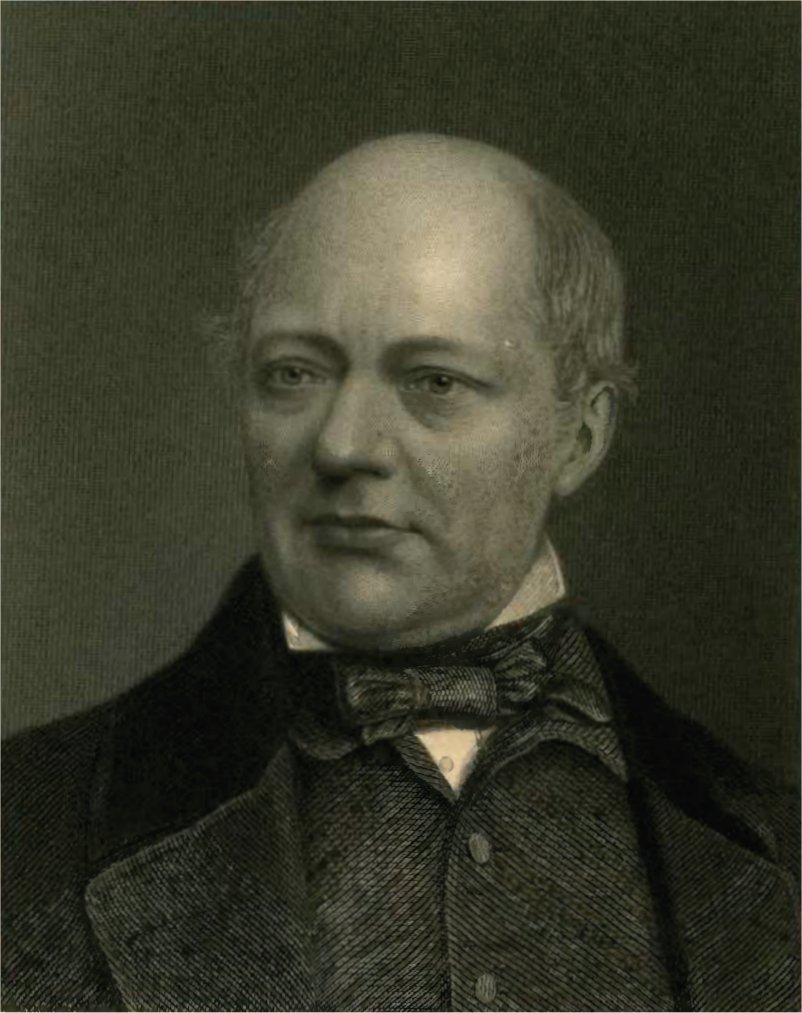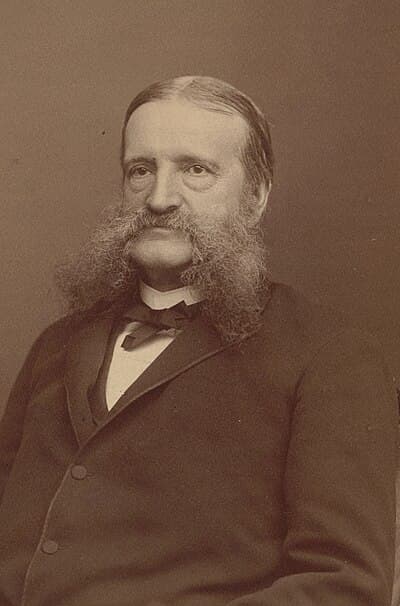
William Frederick Poole
William Frederick Poole was an influential American bibliographer and librarian, best known for his extensive contributions to the field of library science. Born in Salem, Massachusetts, he dedicated his life to the organization and accessibility of information, which was crucial during a time of rapid growth in publishing and literacy in the United States. Poole's most notable work, the 'Poole's Index to Periodical Literature,' published in 1882, was groundbreaking as it provided a systematic index of articles from a wide array of periodicals, making it easier for researchers and the public to locate information. This index became an essential tool for libraries and scholars alike, significantly impacting bibliographic practices. Throughout his career, Poole served as the librarian for several institutions, including the Chicago Public Library, where he further advanced the role of libraries in society. His efforts in promoting bibliographic standards and improving library services were pivotal in shaping modern librarianship. Poole's legacy endures through his contributions to bibliographic methodology and the establishment of more organized library systems, which laid the groundwork for future developments in the field. His work not only facilitated access to knowledge but also emphasized the importance of libraries as centers of learning and community engagement.
Famous Quotes
View all 1 quotes“Milton sought to “justifie the wayes of God to men” (PL 1.26), to render a theologically coherent account of the traditional Christian interpretation of these historical events. He was, in short, offering a narrative solution to the “problem of evil”:”
Books from the author