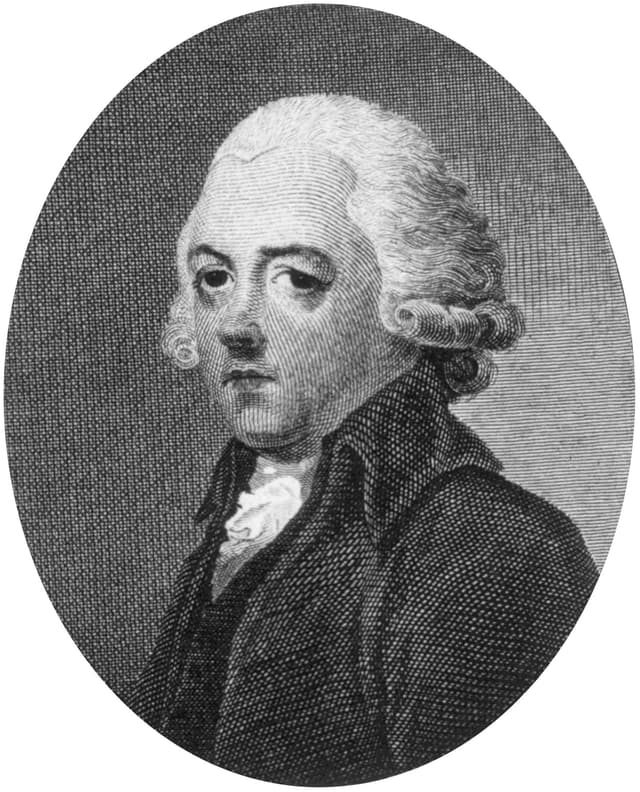
William Falconer
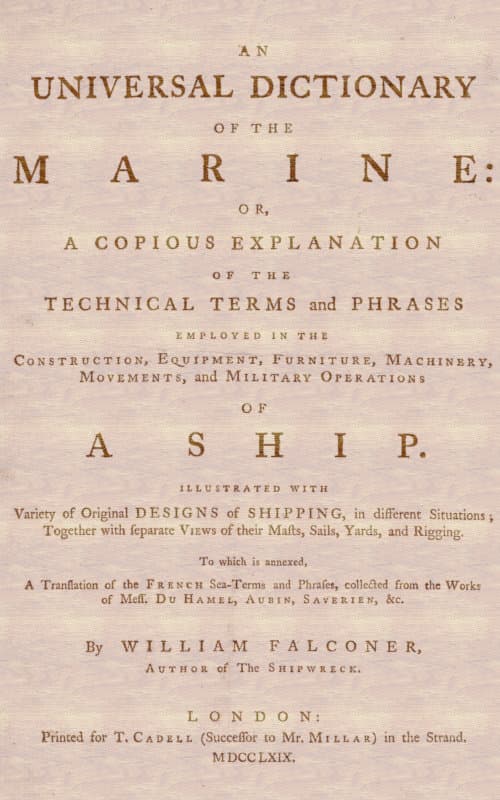
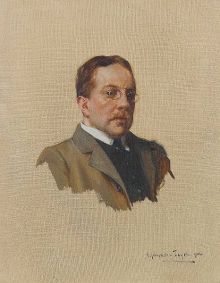
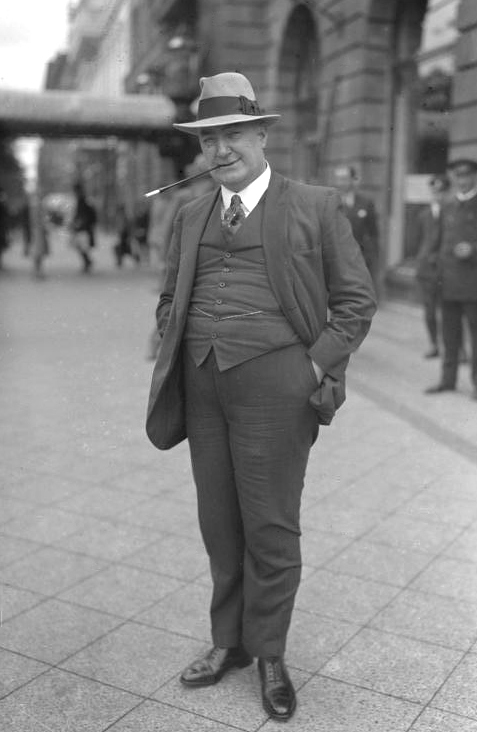
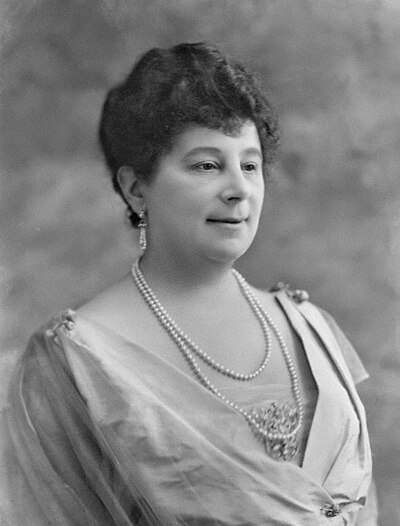
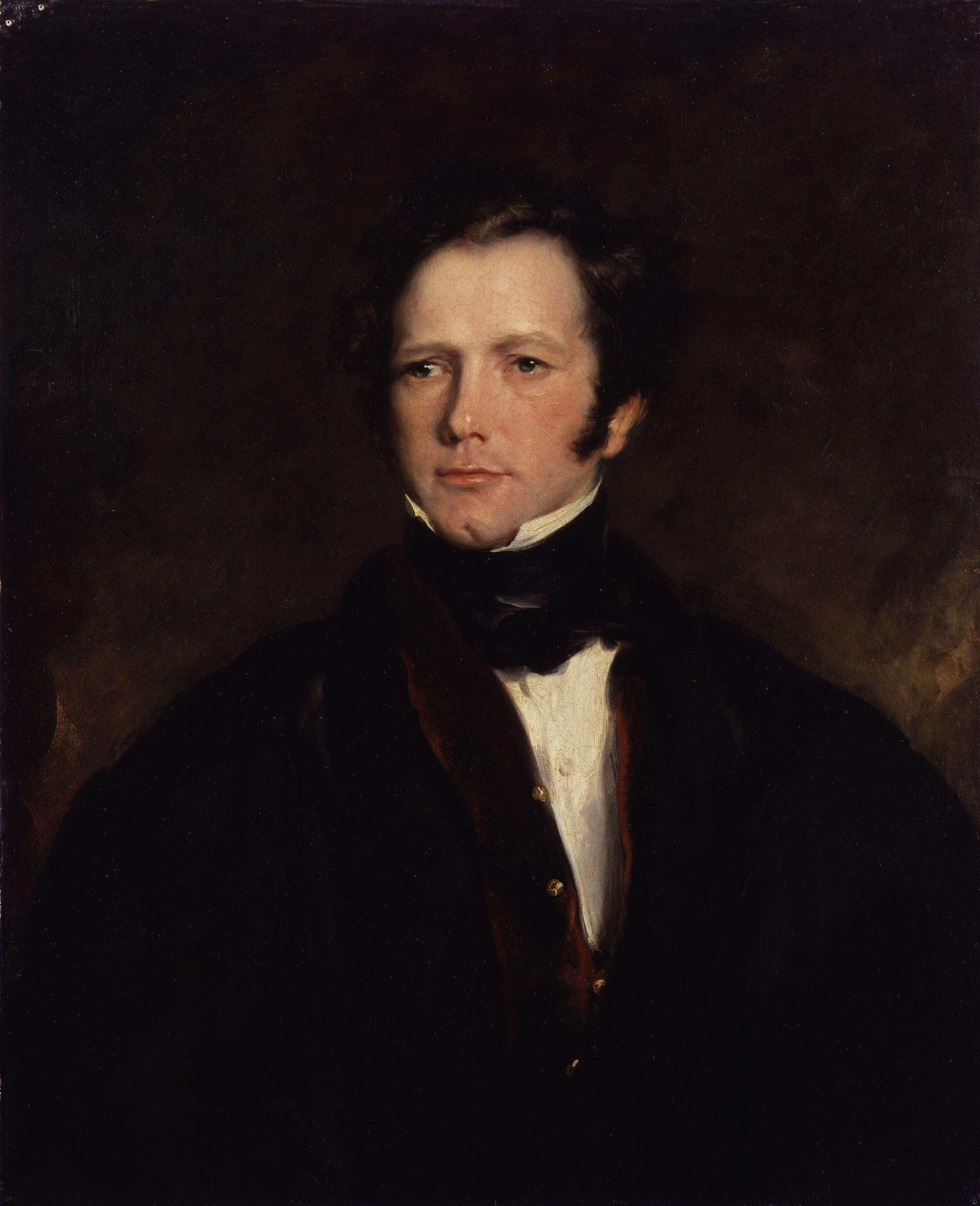
William Falconer was a Scottish epic poet renowned for his vivid depictions of life at sea. His most notable work, 'The Shipwreck,' published in 1762, is an evocative narrative poem that explores the harrowing experiences of sailors caught in a tempest, drawing from his own experiences as a sailor. This poem not only showcases his poetic prowess but also reflects the dangers and hardships faced by mariners of his time, establishing him as a significant voice in maritime literature. In addition to his contributions to poetry, Falconer compiled a comprehensive dictionary of maritime terms, further demonstrating his dedication to the maritime world. His works contributed to the genre of sea literature, influencing later writers and poets who sought to capture the essence of life on the ocean. Despite his relatively short life, Falconer's legacy endures through his unique blend of personal experience and literary artistry, marking him as a noteworthy figure in 18th-century literature.
Famous Quotes
View all 6 quotes“Turning and turning in the widening gyreThe falcon cannot hear the falconer;Things fall apart; the centre cannot hold;Mere anarchy is loosed upon the world,The blood-dimmed tide is loosed, and everywhereThe ceremony of innocence is drowned;The best lack all conviction, while the worstAre full of passionate intensity.””
“One day Lal shahbaz was wandering in the desert with his friend Sheikh Bhaa ud-Din Zakariya. It was winter, and evening time, so they began to build a fire to keep warm. They found some wood, but then they realised they had no fire. So Baha ud- Din suggested that Lal Shahbaz turn himself into a falcon and get fire from hell. Off he flew, but an hour later he came back empty handed. "There is no fire in hell," he reported. "Everyone who goes there brings their own fire, and their own pain, from this world.””
“Tis unnatural, Even like the deed that’s done. On Tuesday last, A falcon, tow’ring in her pride of place, Was by a mousing owl hawked at and killed. It’s””
Books from the author





Link to this page
Add a free, dofollow link to Lex on your blog, forum, syllabus, or reading list.

<a href="https://lex-books.com/author/william-falconer"><img src="https://lex-books.com/badges/read-on-lex.svg" alt="William Falconer on Lex" width="160" height="40"></a>[](https://lex-books.com/author/william-falconer)[url=https://lex-books.com/author/william-falconer][img]https://lex-books.com/badges/read-on-lex.svg[/img][/url]William Falconer on Lex: https://lex-books.com/author/william-falconer