“Turning and turning in the widening gyreThe falcon cannot hear the falconer;Things fall apart; the centre cannot hold;Mere anarchy is loosed upon the world,The blood-dimmed tide is loosed, and everywhereThe ceremony of innocence is drowned;The best lack all conviction, while the worstAre full of passionate intensity.””
Quotes by William Falconer
“One day Lal shahbaz was wandering in the desert with his friend Sheikh Bhaa ud-Din Zakariya. It was winter, and evening time, so they began to build a fire to keep warm. They found some wood, but then they realised they had no fire. So Baha ud- Din suggested that Lal Shahbaz turn himself into a falcon and get fire from hell. Off he flew, but an hour later he came back empty handed. "There is no fire in hell," he reported. "Everyone who goes there brings their own fire, and their own pain, from this world.””
“Tis unnatural, Even like the deed that’s done. On Tuesday last, A falcon, tow’ring in her pride of place, Was by a mousing owl hawked at and killed. It’s””
“Turning and turning in the widening gyre The falcon cannot hear the falconer;Things fall apart; the centre cannot hold;Mere anarchy is loosed upon the world,The blood-dimmed tide is loosed, and everywhere The ceremony of innocence is drowned;The best lack all conviction, while the worst Are full of passionate intensity.Surely some revelation is at hand;Surely the Second Coming is at hand. The Second Coming! Hardly are those words out When a vast image out of Spiritus MundiTroubles my sight: somewhere in sands of the desert A shape with lion body and the head of a man, A gaze blank and pitiless as the sun, Is moving its slow thighs, while all about it Reel shadows of the indignant desert birds. The darkness drops again; but now I know That twenty centuries of stony sleepWere vexed to nightmare by a rocking cradle, And what rough beast, its hour come round at last, Slouches towards Bethlehem to be born?””
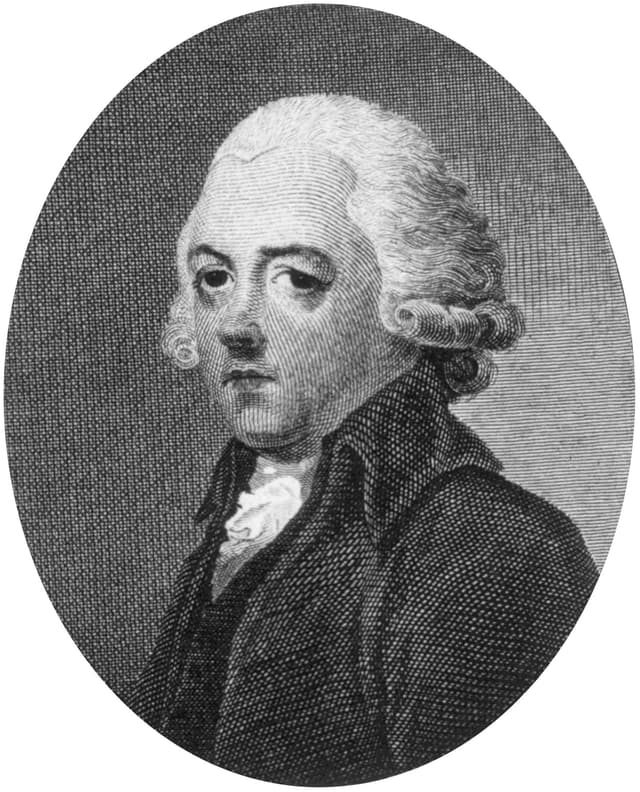
William FalconerWilliam Falconer was a Scottish epic poet renowned for his vivid depictions of life at sea. His most notable work, 'The Shipwreck,' published in 1762, is an evocative narrative poem that explores the ...