Lex

Browse

GenresShelvesPremiumBlog

Company

AboutJobsPartnersSell on LexAffiliates

Audio

Lex StudioVoicesFirst chapter freeAudiobook pricingAudiobook samplesAudiobook guidesAudio blog

Resources

DocsInvite FriendsFAQ

Legal

Terms of ServicePrivacy Policygeneral@lex-books.com+1 951-551-2243WhatsApp (international)

© 2026 LexBooks, Inc. All rights reserved.

William E. Wall

Famous Quotes

View all 2 quotes

“TokensGreen mwold on zummer bars do show That they’ve a-dripp’d in winter wet; The hoof-worn ring o’ groun’ below The tree, do tell o’ storms or het; The trees in rank along a ledge Do show where woonce did bloom a hedge; An’ where the vurrow-marks do stripe The down, the wheat woonce rustled ripe. Each mark ov things a-gone vrom view”

“Like humans, bacteria and fungi live and die. Although their relations don’t conduct funerals for them or erect headstones over their graves, their life cycles, unlike our many decades, are measured in hours to days, reflecting a lightning-fast rate of turnover. With that much life and death cycling in your GI tract, involving trillions of creatures, where do the by-products go upon their death? Without wills or estates to settle, the remains of trillions of microbes are recycled by other microbes, some are metabolized by you, and others are passed out into the toilet. But in dysbiosis, some remnants also invade our bloodstream and thereby are “exported” to other parts of the body. In 2007, a French research group reported on this critical phenomenon. They labeled this flood of toxic bacterial breakdown products “metabolic endotoxemia,” and it has been found to underlie numerous modern health conditions, especially those driven by inflammation, such as type 2 diabetes, heart disease, and neurodegenerative diseases.4 The main driver of endotoxemia is something called lipopolysaccharide, or LPS, which originates in the cell walls of organisms such as Escherichia coli (E. coli) and Klebsiella, common inhabitants of the colon and stool. When those microbes die, their cell wall contents are liberated, and if the integrity of the intestinal wall has been compromised by pathogenic species, the LPS can pass through this broken barrier into the blood. The consequences of endotoxemia are especially powerful when all thirty feet of the GI tract are filled with unhealthy microbes.””

Super Gut: A Four-Week Plan to Reprogram Your Microbiome, Restore Health, and Lose Weight

Books from the author

right arrow

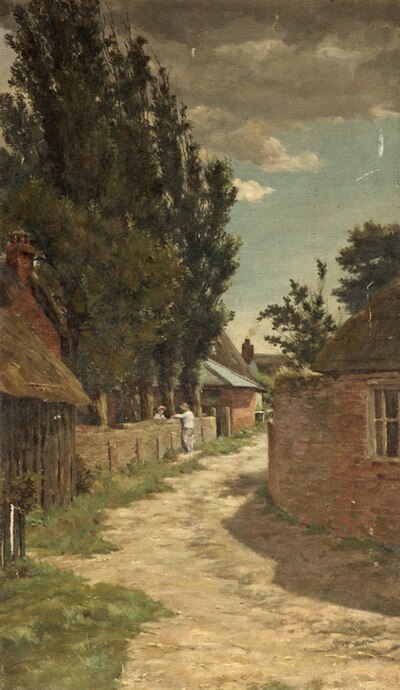
PracticalGraining,withDescripti...

William E. Wall

More authors like this

right arrow
A. L. Baldry
A. L. Baldry
1858-1939
George C. Williamson
1858-1942
Arthur Jerome Eddy
Arthur Jerome Eddy
1859-1920
Dwight L. Elmendorf
1859-1929
Frank Hamilton Cushing
1857-1900
Gustav Kobbé
Gustav Kobbé
1857-1918
Henry Fairfield Osborn
1857-1935
James Huneker
James Huneker
1857-1921
Joseph Pennell
Joseph Pennell
1857-1926
Frederic George Kitton
1856-1904
George Frederick Kunz
1856-1932
Haldane Macfall
Haldane Macfall
1860-1928
Jennette Lee
Jennette Lee
1860-1951
John C. Van Dyke
John C. Van Dyke
1856-1932
Richard Muther
Richard Muther
1860-1909
Vernon Lee
Vernon Lee
1856-1935

Link to this page

Add a free, dofollow link to Lex on your blog, forum, syllabus, or reading list.

William E. Wall on Lex
HTML
<a href="https://lex-books.com/author/william-e-wall"><img src="https://lex-books.com/badges/read-on-lex.svg" alt="William E. Wall on Lex" width="160" height="40"></a>
Markdown
[![William E. Wall on Lex](https://lex-books.com/badges/read-on-lex.svg)](https://lex-books.com/author/william-e-wall)
BBCode
[url=https://lex-books.com/author/william-e-wall][img]https://lex-books.com/badges/read-on-lex.svg[/img][/url]
Plain link
William E. Wall on Lex: https://lex-books.com/author/william-e-wall