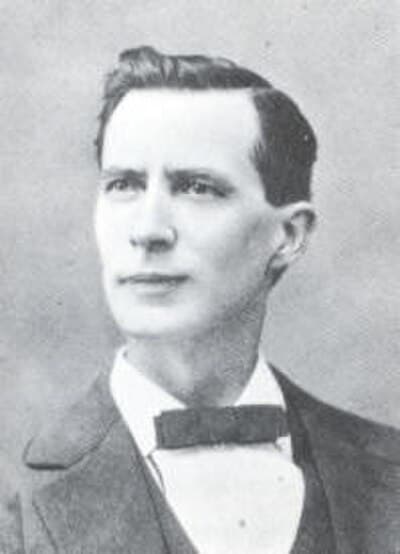
William Cowper Brann
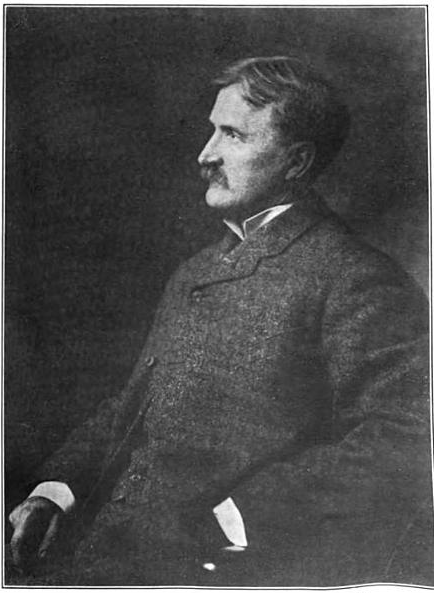
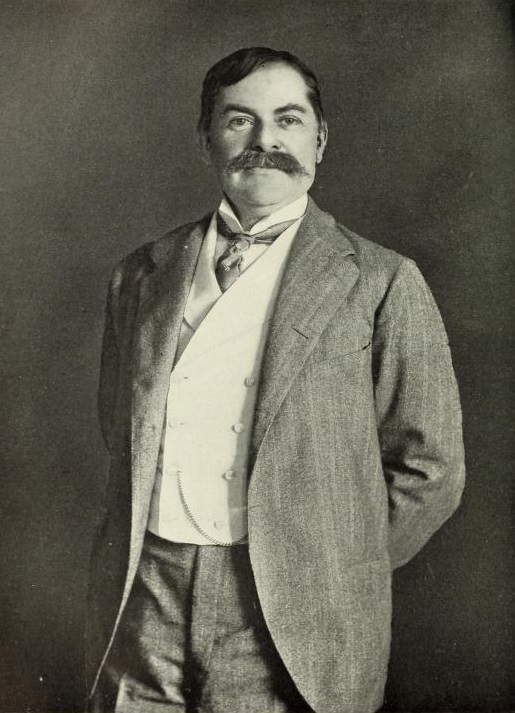
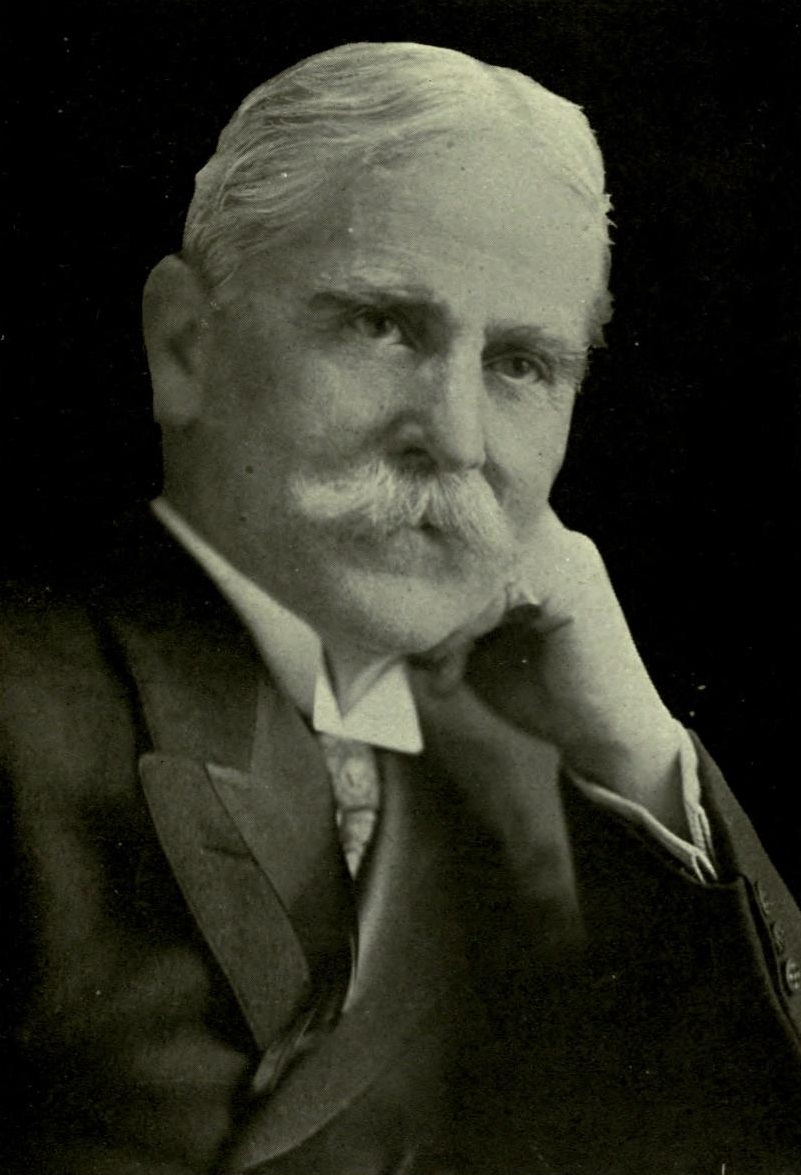
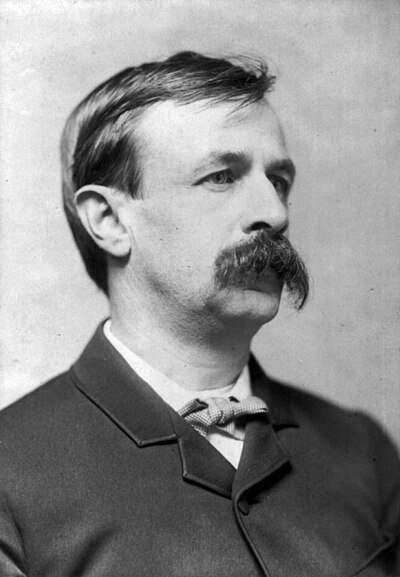
William Cowper Brann, known as Brann the Iconoclast, was an influential American journalist and editorialist whose provocative writings stirred considerable controversy in the late 19th century. Born in 1855, Brann became renowned for his sharp wit and unflinching criticism of societal norms, particularly through his editorial work in his publication, The Iconoclast. His style was marked by a blend of brilliance and vitriol, which garnered both fervent supporters and vehement detractors. Brann's editorial stance often included incendiary views, such as his defense of lynching Black men accused of rape, which reflected the racial tensions of his time and sparked significant debate about morality and justice in America. Despite the contentious nature of his opinions, Brann's impact on journalism was profound. He challenged conventional thinking and pushed the boundaries of acceptable discourse, making him a significant figure in the landscape of American media. His legacy is complicated; while he is remembered for his incisive critiques and fearless expression, his controversial views on race and violence continue to provoke discussions about ethics in journalism and the responsibilities of writers. Brann's life was cut short in 1898, but his work remains a testament to the power of the press to provoke thought and challenge societal norms.
Famous Quotes
View all 1 quotes“The trouble with Texas Baptists is that we do not hold them under water long enough.”
Books from the author



Link to this page
Add a free, dofollow link to Lex on your blog, forum, syllabus, or reading list.

<a href="https://lex-books.com/author/william-cowper-brann"><img src="https://lex-books.com/badges/read-on-lex.svg" alt="William Cowper Brann on Lex" width="160" height="40"></a>[](https://lex-books.com/author/william-cowper-brann)[url=https://lex-books.com/author/william-cowper-brann][img]https://lex-books.com/badges/read-on-lex.svg[/img][/url]William Cowper Brann on Lex: https://lex-books.com/author/william-cowper-brann