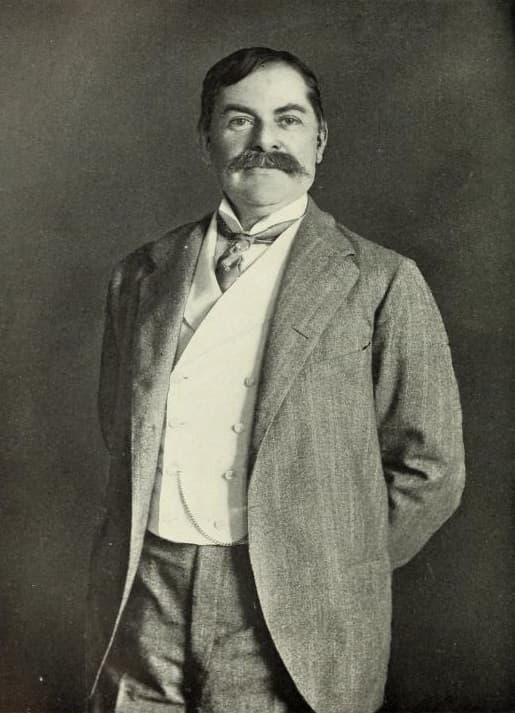
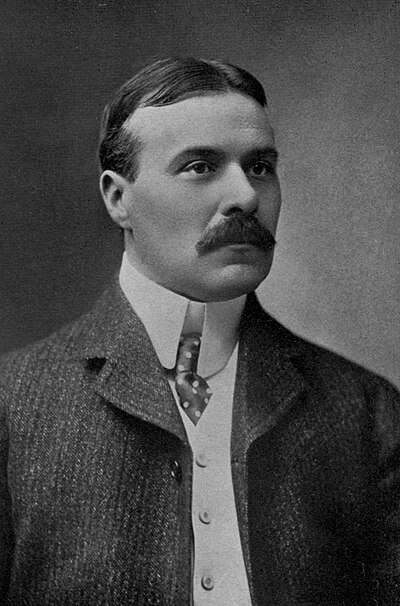
Thomas Nelson Page
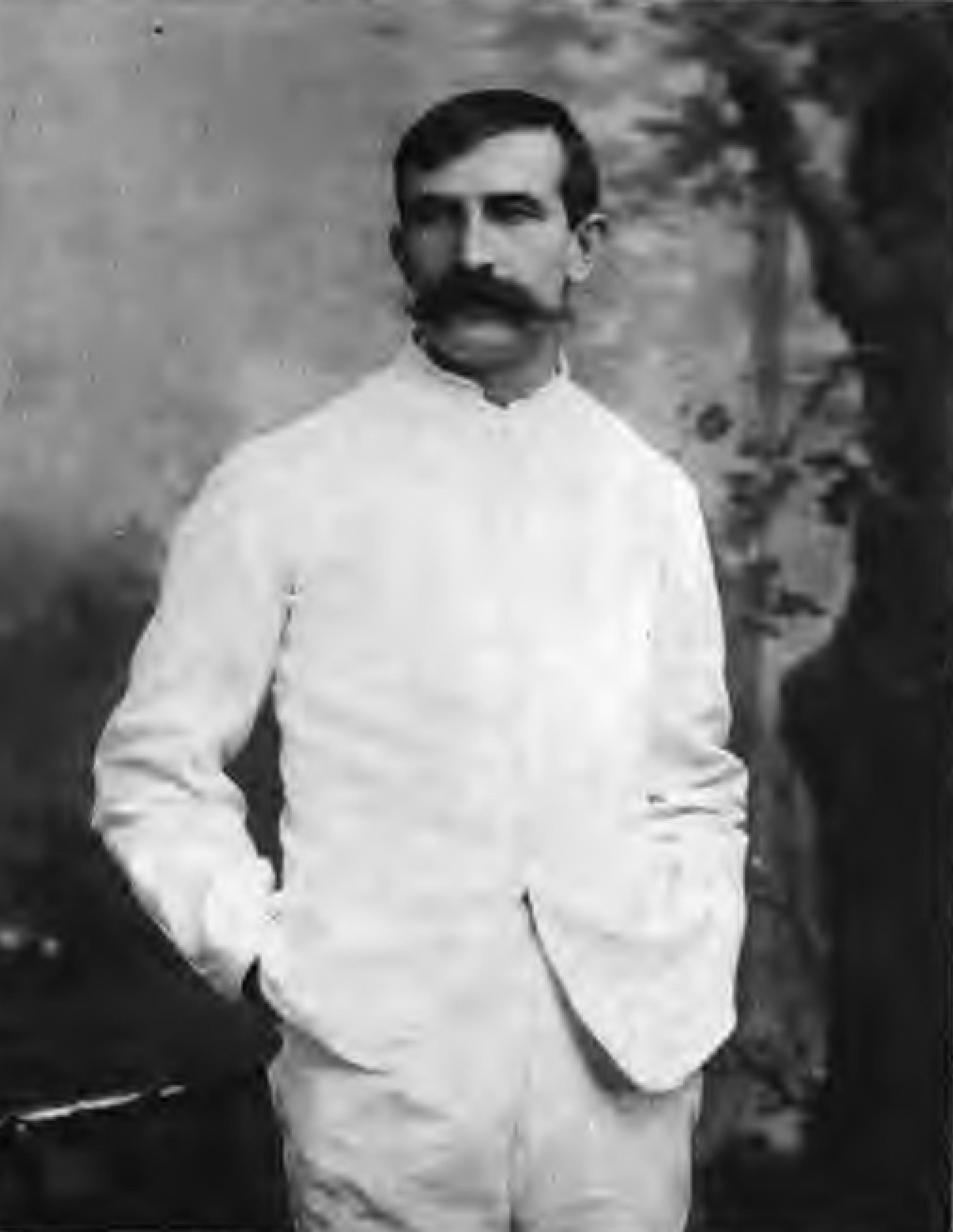
Thomas Nelson Page was an influential American writer, lawyer, and politician, best known for his role in shaping Southern literature in the late 19th and early 20th centuries. He gained prominence with his story "Marse Chan," which was published in the Century Illustrated Monthly Magazine and marked the beginning of his exploration of Plantation tradition literature. This genre, while romanticizing the antebellum South, also served to promote the Lost Cause narrative, reflecting the complex and often controversial legacy of the Civil War in American culture. Page's literary contributions extended beyond short stories; his notable works include "The Burial of the Guns" and "In Ole Virginia," both of which further entrenched his reputation as a voice of the South. His writings often depicted the genteel life of Southern plantation owners and the struggles of their former slaves, contributing to a nostalgic view of the South that resonated with many readers of his time. Additionally, Page's service as the U.S. ambassador to Italy during World War I added a layer of political significance to his life, intertwining his literary pursuits with his public service. Through his works, Page left a lasting impact on Southern literature and the cultural memory of the Civil War era.
Famous Quotes
View all 1 quotes“Before long I learned that you had spent a lifetime equally devoted to the conviction that words are not good enough. Not only not good enough, but corrosive to all that is good, all that is real, all that is flow. We argued and argued on this account, full of fever, not malice. Once we name something, you said, we can never see it the same way again. All that is unnameable falls away, gets lost, is murdered. You called this the cookie-cutter function of our minds. You said that you knew this not from shunning language but from immersion in it, on the screen, in conversation, onstage, on the page. I argued along the lines of Thomas Jefferson and the churches”
Books from the author
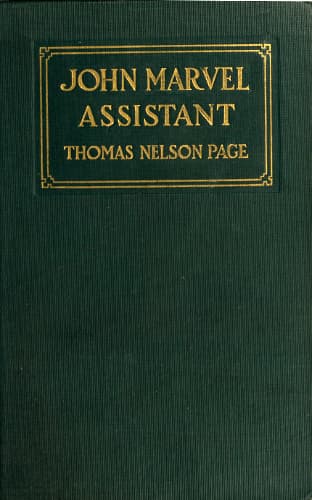
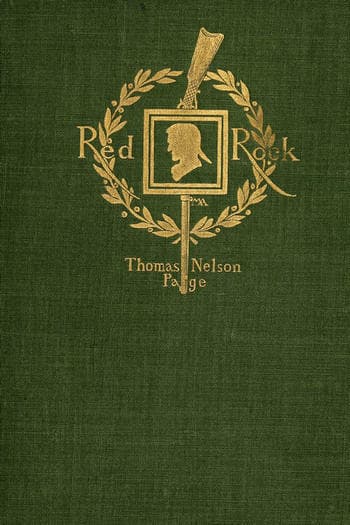
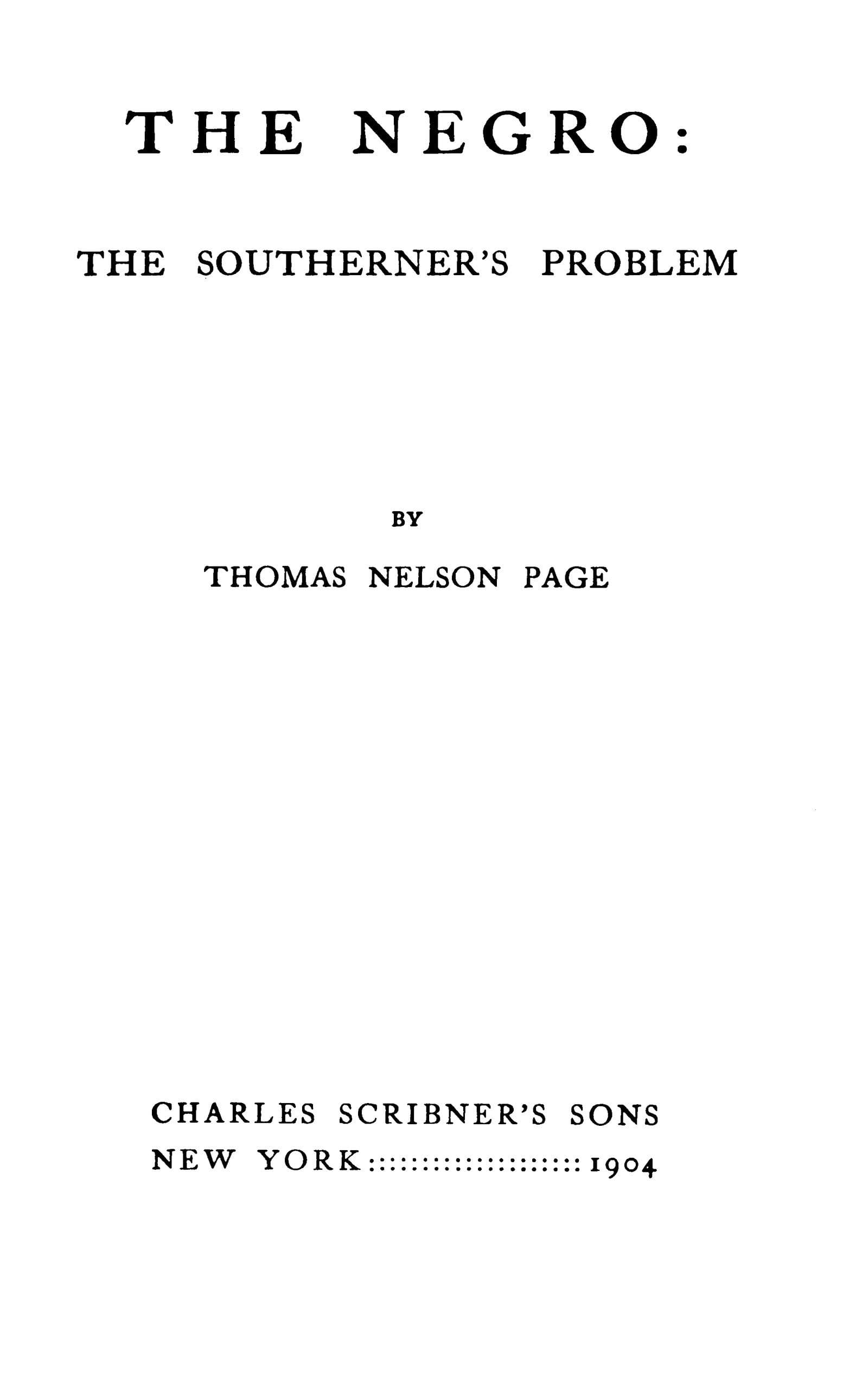









Link to this page
Add a free, dofollow link to Lex on your blog, forum, syllabus, or reading list.

<a href="https://lex-books.com/author/thomas-nelson-page"><img src="https://lex-books.com/badges/read-on-lex.svg" alt="Thomas Nelson Page on Lex" width="160" height="40"></a>[](https://lex-books.com/author/thomas-nelson-page)[url=https://lex-books.com/author/thomas-nelson-page][img]https://lex-books.com/badges/read-on-lex.svg[/img][/url]Thomas Nelson Page on Lex: https://lex-books.com/author/thomas-nelson-page