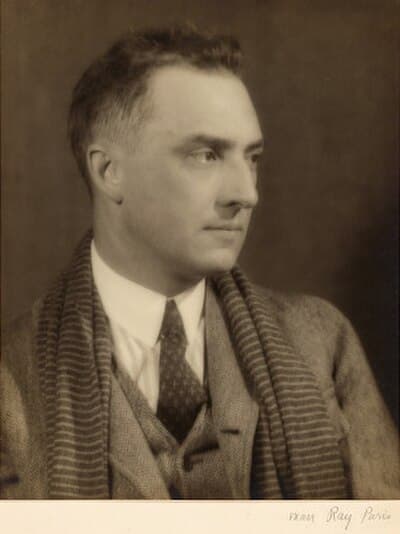
William Carlos Williams
William Carlos Williams was an influential American poet and physician, recognized for his significant contributions to modernism and imagism. His work, particularly the collection 'Spring and All' (1923), emerged in the wake of T.S. Eliot's 'The Waste Land' and showcased his innovative approach to poetry, which often drew inspiration from the everyday experiences of life. Williams's most celebrated poems, such as 'This Is Just to Say' and 'The Red Wheelbarrow,' reflect a keen observation of the mundane, elevating simple moments into profound reflections on existence. His five-volume poem 'Paterson' (1946–1958) further exemplified his commitment to capturing the essence of his hometown, using it as a canvas to explore broader themes of identity and culture. In addition to his literary achievements, Williams was a dedicated physician, serving as the chief of pediatrics at Passaic General Hospital for nearly four decades. His dual career as a poet and doctor informed his writing, allowing him to express a unique perspective on the human condition. Williams's influence extended beyond literature; his poem 'The Great Figure' inspired Charles Demuth's iconic painting 'I Saw the Figure 5 in Gold.' Posthumously, he was awarded the Pulitzer Prize for Poetry for 'Pictures from Brueghel and Other Poems' (1962), solidifying his legacy as a pivotal figure in American poetry who sought to bridge the gap between art and life.
Famous Quotes
View all 3 quotes“It's a strange courage you give me ancient star: Shine alone in the sunrise toward which you lend no part!”
“We sit and talk, quietly, with long lapses of silence and I am aware of the stream that has no language, coursing beneath the quiet heaven of your eyes which has no speech”
“This is Just to Say I have eaten the plums that were in the icebox and which you were probably saving for breakfast Forgive me they were delicious so sweet and so cold”
Books from the author
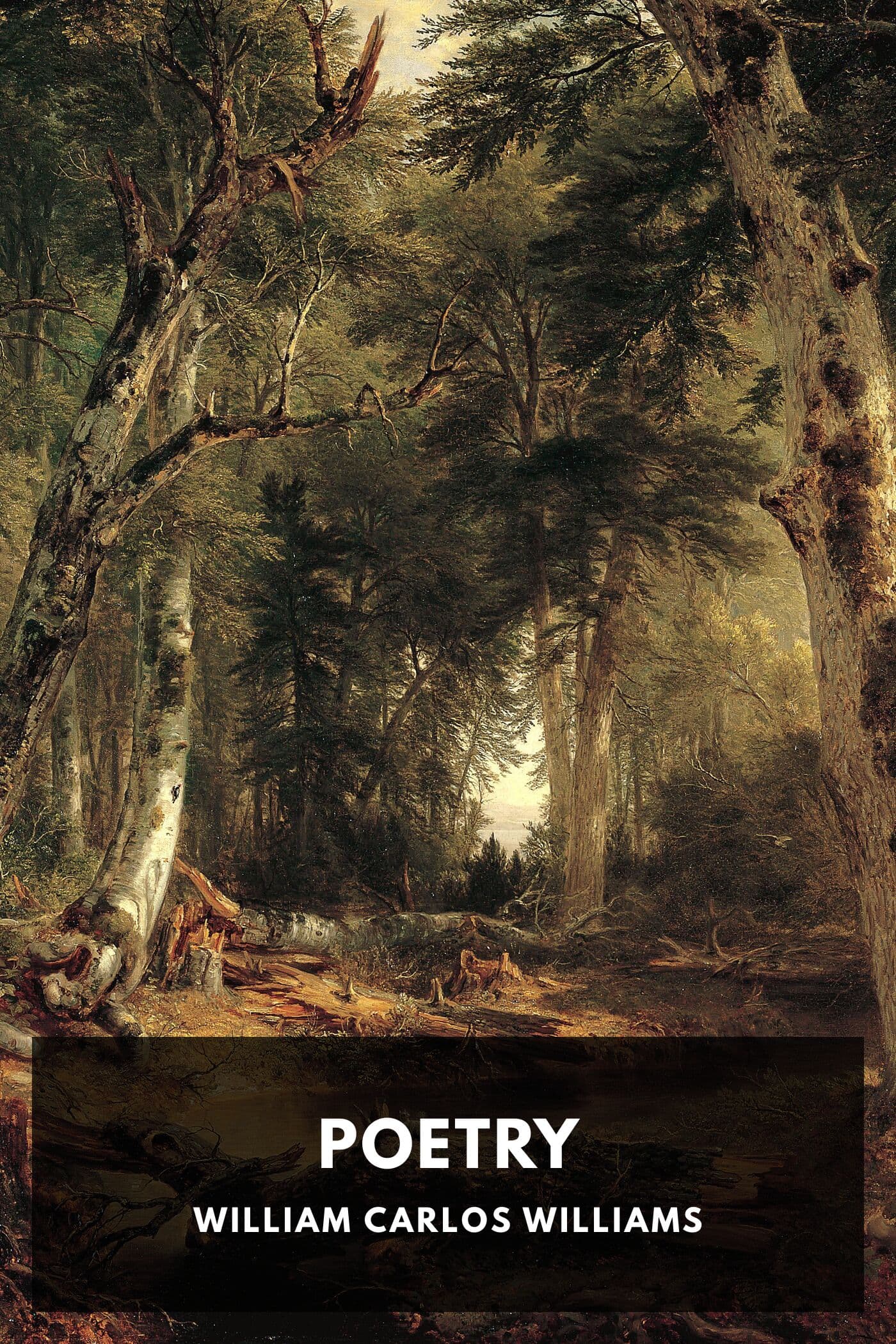
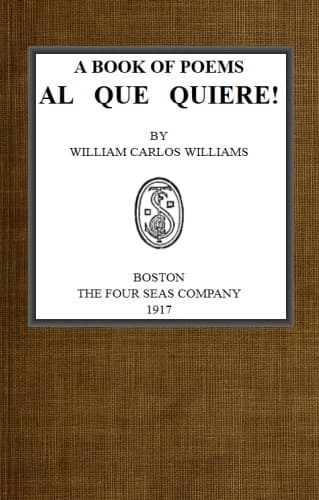
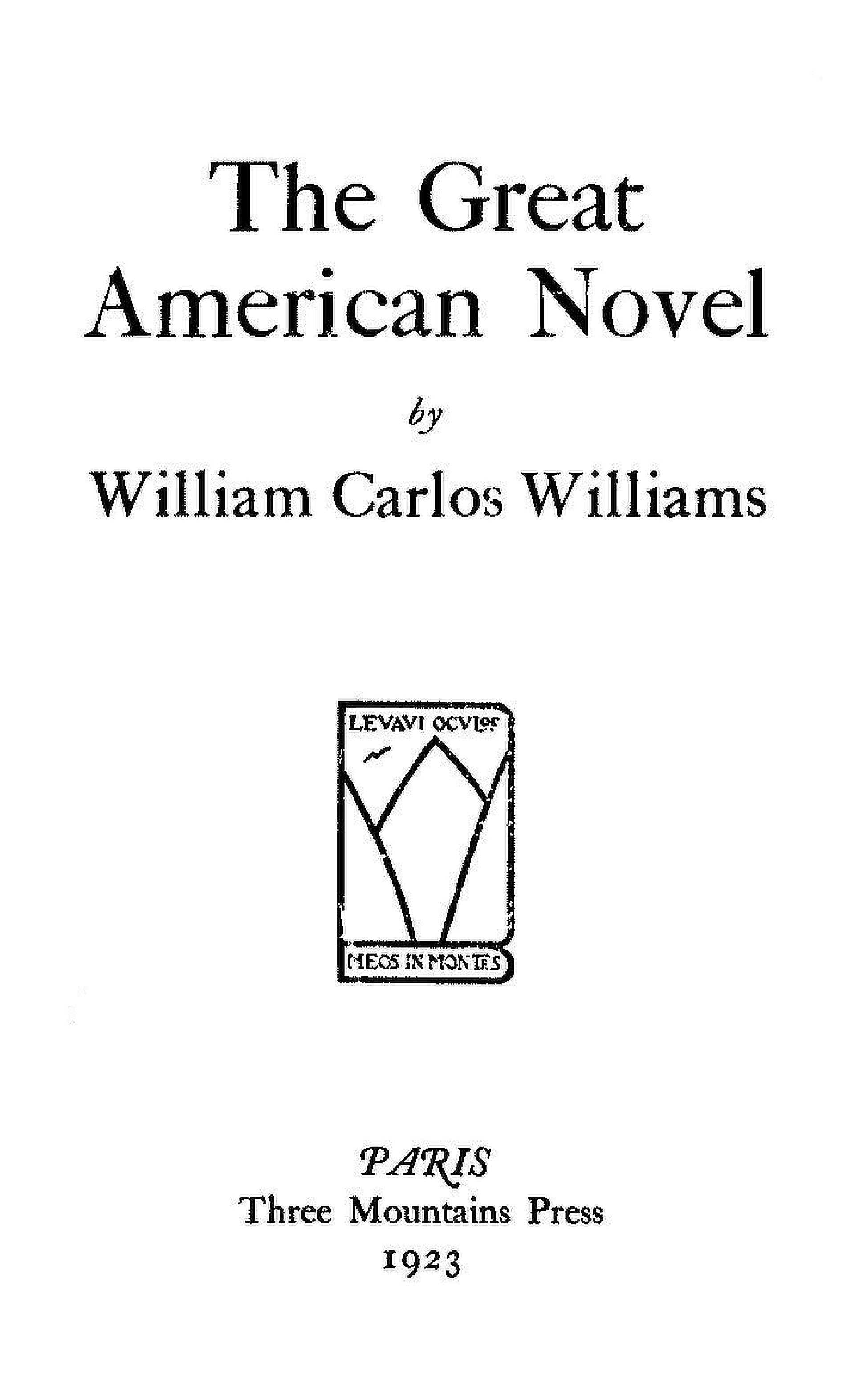

Link to this page
Add a free, dofollow link to Lex on your blog, forum, syllabus, or reading list.

<a href="https://lex-books.com/author/william-carlos-williams"><img src="https://lex-books.com/badges/read-on-lex.svg" alt="William Carlos Williams on Lex" width="160" height="40"></a>[](https://lex-books.com/author/william-carlos-williams)[url=https://lex-books.com/author/william-carlos-williams][img]https://lex-books.com/badges/read-on-lex.svg[/img][/url]William Carlos Williams on Lex: https://lex-books.com/author/william-carlos-williams