
William A. Hammond
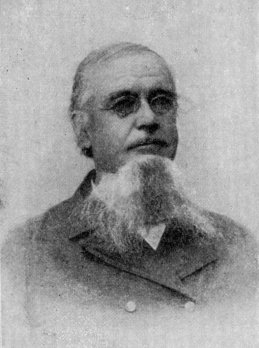
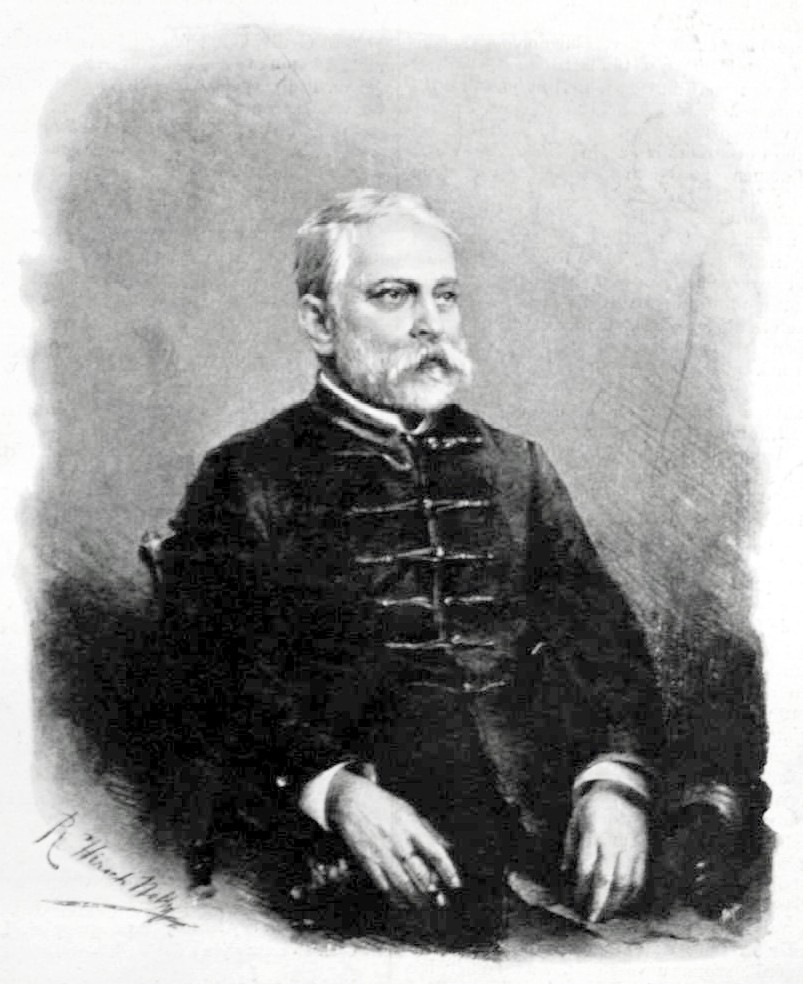
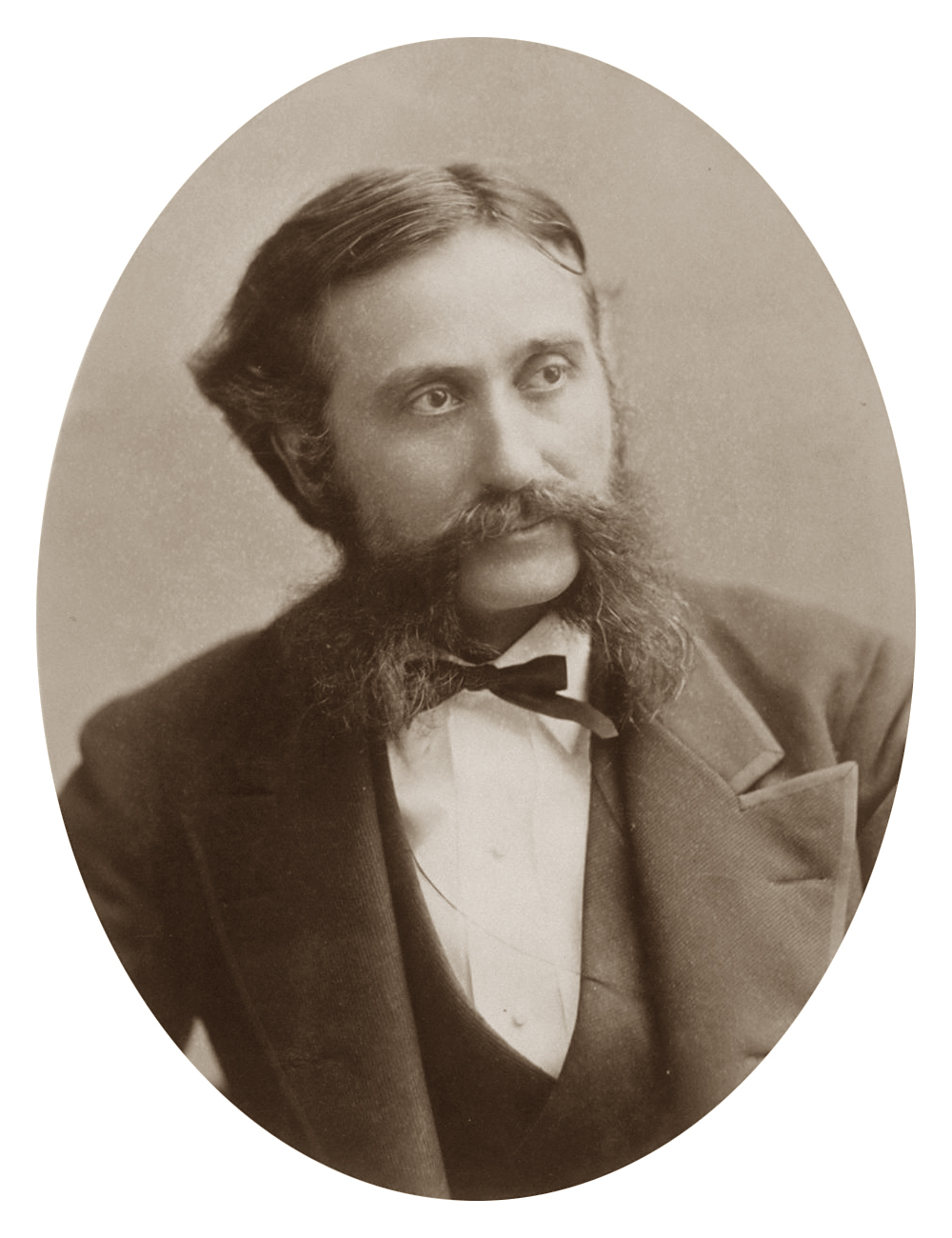
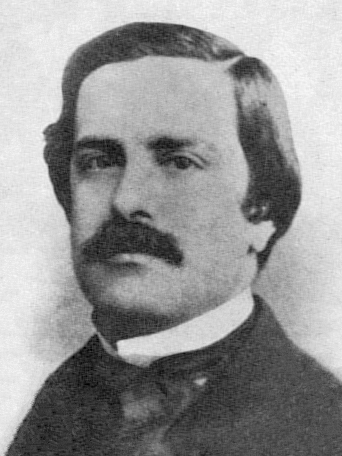
William A. Hammond was an influential American physician and author, best known for his contributions to the field of psychiatry and his writings on mental health. Born in 1828, Hammond graduated from the University of Pennsylvania and became a prominent figure in the medical community, serving as the Surgeon General of the U.S. Army during the Civil War. His experiences in the war greatly informed his views on mental health, leading him to advocate for the humane treatment of the mentally ill and to challenge the prevailing attitudes of his time. Hammond's notable works include "Treatise on Diseases of the Nervous System" and "Mental Diseases: A Textbook on Psychiatry," which were groundbreaking in their approach to understanding mental illness. He was one of the first to emphasize the importance of both biological and psychological factors in mental health, paving the way for future developments in psychiatry. His writings not only contributed to medical literature but also sparked discussions on the social implications of mental illness, emphasizing the need for reform in mental health care. Hammond's legacy endures through his pioneering efforts to elevate the standards of psychiatric care and his commitment to improving the lives of those affected by mental disorders.
Books from the author










Link to this page
Add a free, dofollow link to Lex on your blog, forum, syllabus, or reading list.

<a href="https://lex-books.com/author/william-a-hammond"><img src="https://lex-books.com/badges/read-on-lex.svg" alt="William A. Hammond on Lex" width="160" height="40"></a>[](https://lex-books.com/author/william-a-hammond)[url=https://lex-books.com/author/william-a-hammond][img]https://lex-books.com/badges/read-on-lex.svg[/img][/url]William A. Hammond on Lex: https://lex-books.com/author/william-a-hammond