
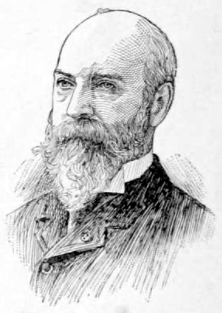
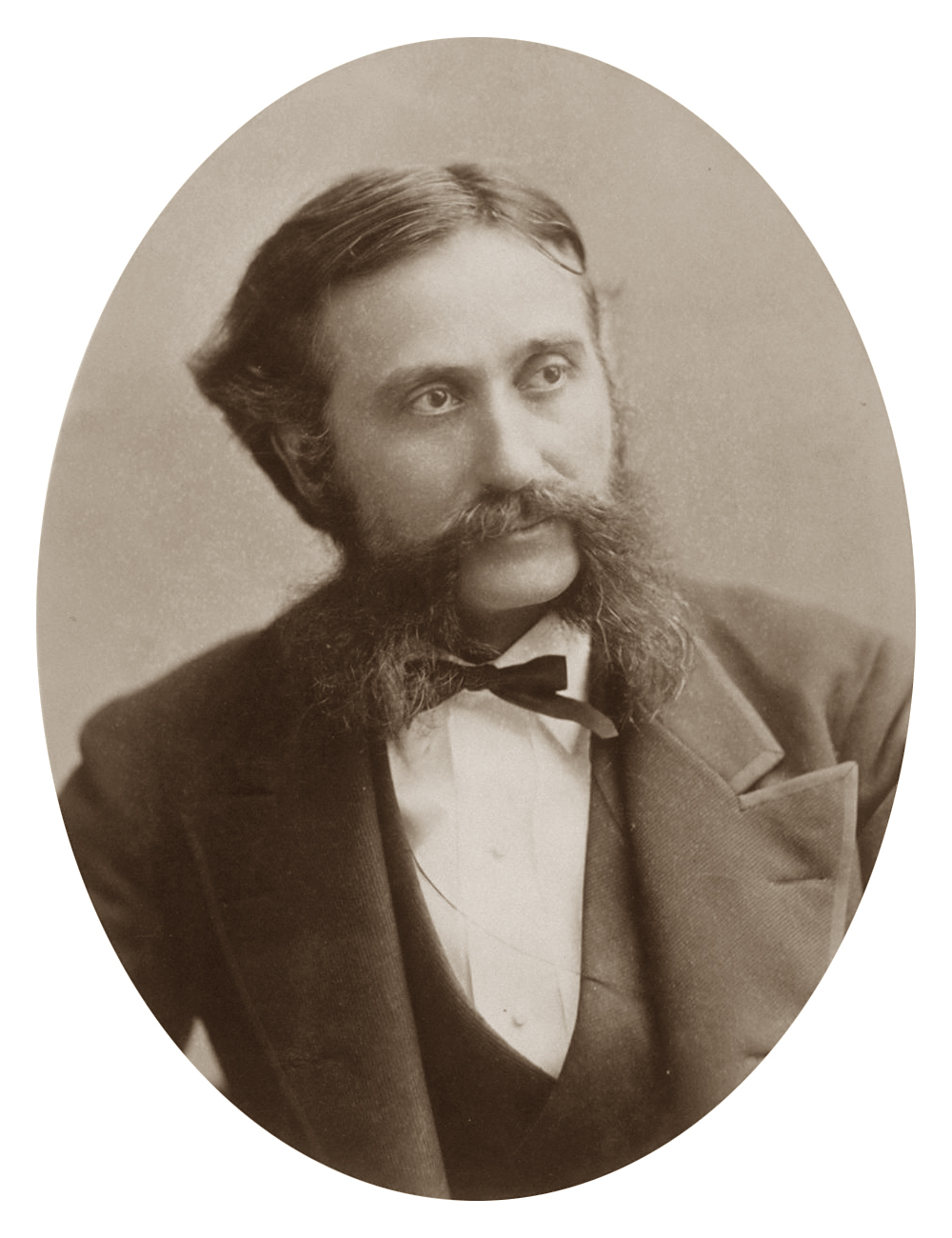
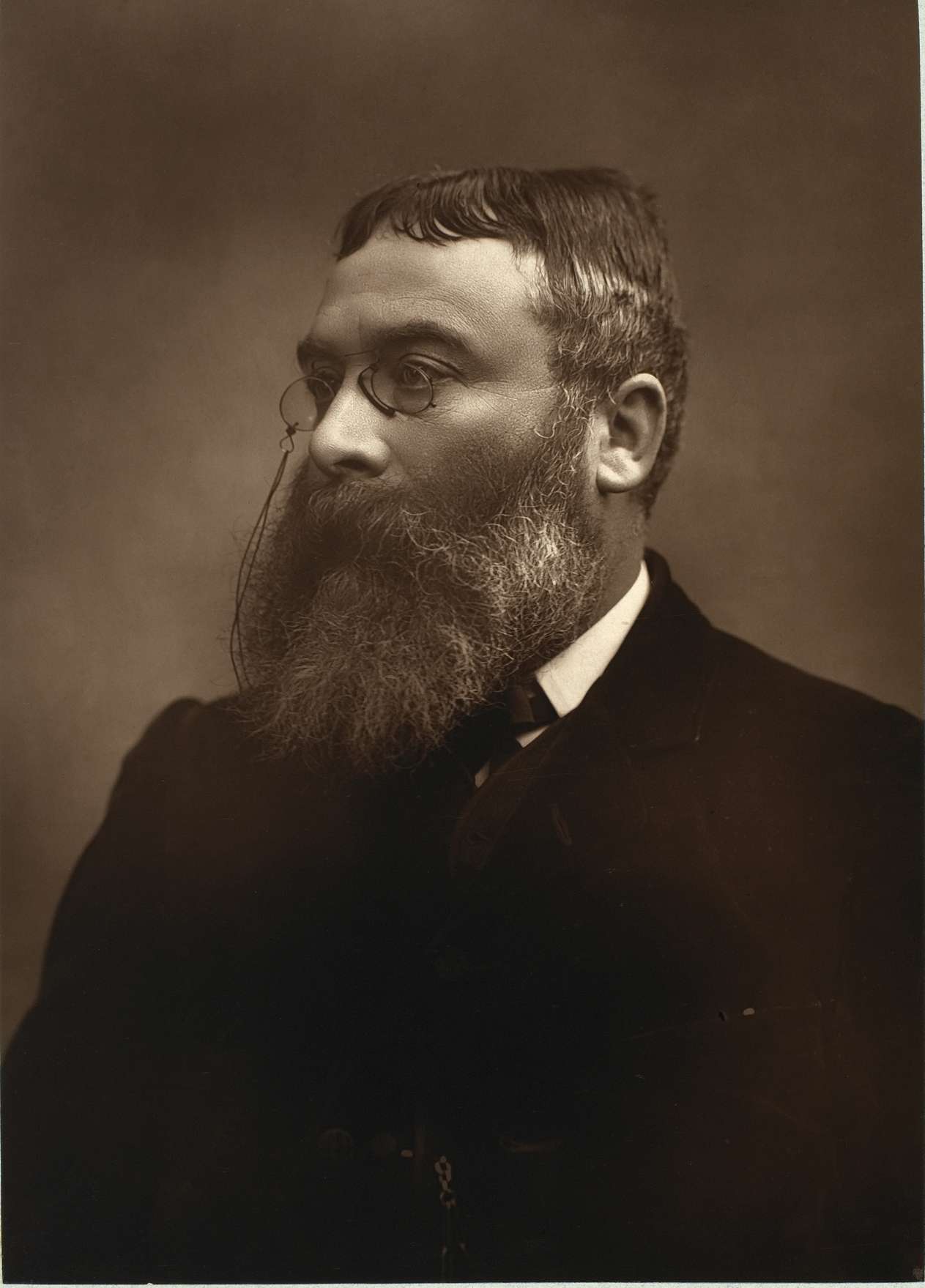
John Emerich Edward Dalberg Acton, Baron Acton
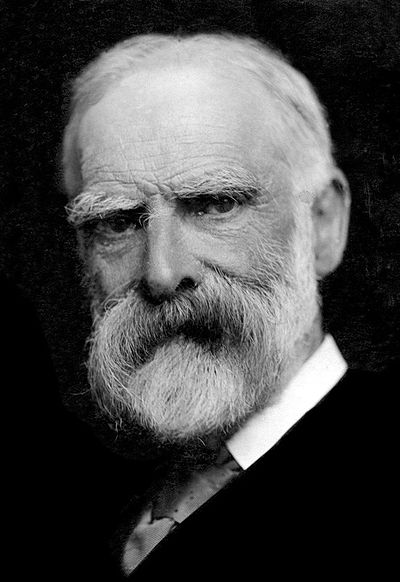
John Emerich Edward Dalberg Acton, known as Baron Acton, was a British historian, politician, and moralist renowned for his profound insights into the nature of power and its relationship with morality. Born into an aristocratic family in Naples, Italy, Acton was educated in England and became a prominent figure in the intellectual circles of his time. His most notable contribution to historical scholarship is the phrase "Power tends to corrupt, and absolute power corrupts absolutely," which encapsulates his belief in the dangers of unchecked authority. Acton's work emphasized the importance of liberty and the moral responsibilities that accompany power, making him a critical voice in discussions about governance and ethics. Acton's scholarly pursuits led him to edit the monumental "Cambridge Modern History," a comprehensive account of European history from the Renaissance to the early 20th century. He was also a strong advocate for the study of history as a means to understand the complexities of human nature and society. His writings, including essays on the relationship between history and morality, have influenced generations of historians and political theorists. Acton's legacy endures in his commitment to the principles of liberalism and his insistence on the ethical dimensions of historical inquiry, marking him as a pivotal figure in the development of modern historical thought.
Books from the author




Link to this page
Add a free, dofollow link to Lex on your blog, forum, syllabus, or reading list.

<a href="https://lex-books.com/author/john-emerich-edward-dalberg-acton-baron-acton"><img src="https://lex-books.com/badges/read-on-lex.svg" alt="John Emerich Edward Dalberg Acton, Baron Acton on Lex" width="160" height="40"></a>[](https://lex-books.com/author/john-emerich-edward-dalberg-acton-baron-acton)[url=https://lex-books.com/author/john-emerich-edward-dalberg-acton-baron-acton][img]https://lex-books.com/badges/read-on-lex.svg[/img][/url]John Emerich Edward Dalberg Acton, Baron Acton on Lex: https://lex-books.com/author/john-emerich-edward-dalberg-acton-baron-acton