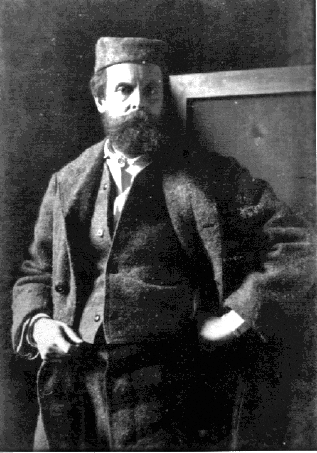
Wilfrid Scawen Blunt
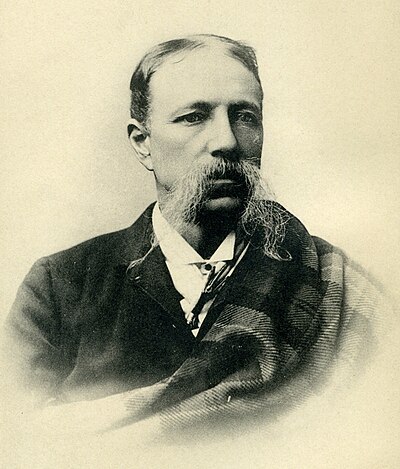
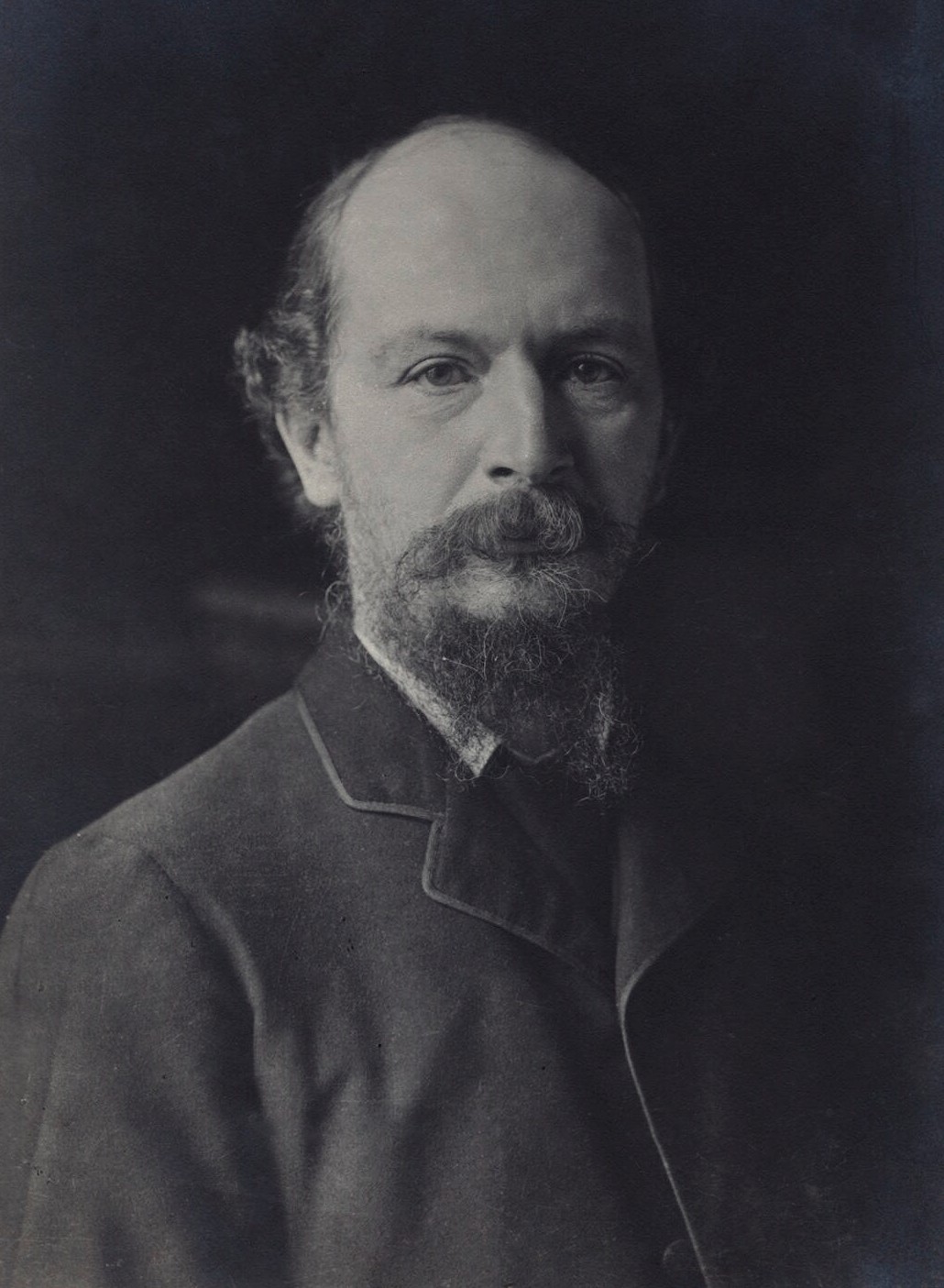
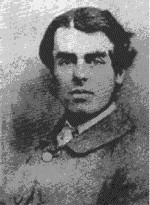
Wilfrid Scawen Blunt was an English poet and writer renowned for his passionate advocacy against imperialism and his contributions to the preservation of Arabian horse bloodlines. Alongside his wife, Lady Anne Blunt, he established the Crabbet Arabian Stud, which played a crucial role in maintaining the purity of Arabian horses. Blunt's travels in the Middle East deeply influenced his literary work, allowing him to blend his poetic sensibilities with his political convictions. His poetry, collected in a comprehensive edition in 1914, reflects his disdain for colonialism and critiques the prevailing attitudes of his time, particularly the notion of the 'White Man's Burden.' Blunt's literary significance extends beyond his poetry; he was a vocal critic of British imperialism at a time when such views were rare. His political essays and polemics challenged the status quo and offered a counter-narrative to the glorification of empire. Through his works, he not only expressed his artistic vision but also engaged with the pressing social issues of his day, making him a notable figure in both literary and political circles. Blunt's legacy endures in his poetry and his commitment to social justice, marking him as a distinctive voice in the landscape of 19th and early 20th-century literature.
Famous Quotes
View all 1 quotes“It is time, however, to consider the special part destined to be played by England in the drama of the Mussulman future. England, if I understand her history rightly, stands towards Islam in a position quite apart from that of the rest of the European States. These I have described as continuing a tradition of aggression inherited from the Crusades, and from the bitter wars waged by the Latin and Greek Empires against the growing power of the Ottoman Turks. In the latter England took no part, her religious schism having already separated her from the general interests of Catholic Europe, while she had withdrawn from the former in the still honourable stage of the adventure, and consequently remained with no humiliating memories to avenge. She came, therefore, into her modern relations with Mohammedans unprejudiced against them, and able to treat their religious and political opinions in a humane and liberal spirit, seeking of them practical advantages of trade rather than conquest. Nor has the special nature of her position towards them been unappreciated by Mohammedans.”
Books from the author
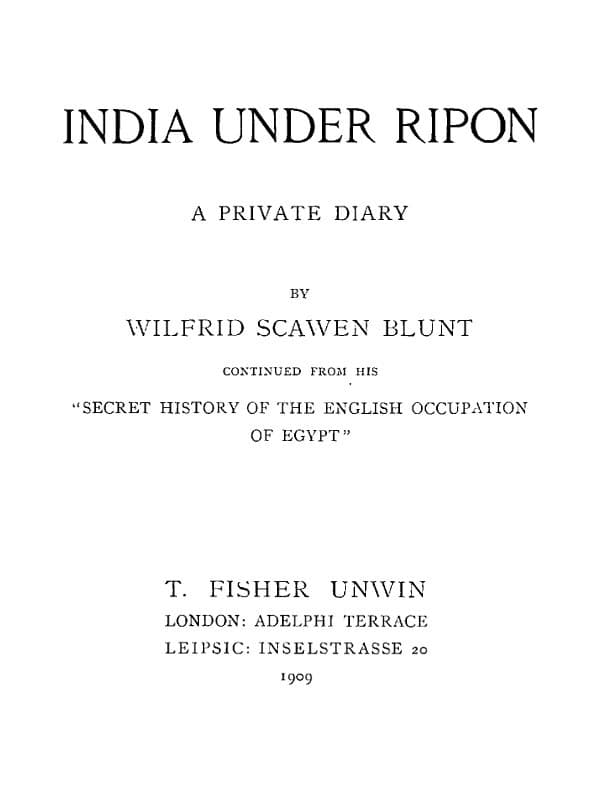




Link to this page
Add a free, dofollow link to Lex on your blog, forum, syllabus, or reading list.

<a href="https://lex-books.com/author/wilfrid-scawen-blunt"><img src="https://lex-books.com/badges/read-on-lex.svg" alt="Wilfrid Scawen Blunt on Lex" width="160" height="40"></a>[](https://lex-books.com/author/wilfrid-scawen-blunt)[url=https://lex-books.com/author/wilfrid-scawen-blunt][img]https://lex-books.com/badges/read-on-lex.svg[/img][/url]Wilfrid Scawen Blunt on Lex: https://lex-books.com/author/wilfrid-scawen-blunt