
W. A. Chapple
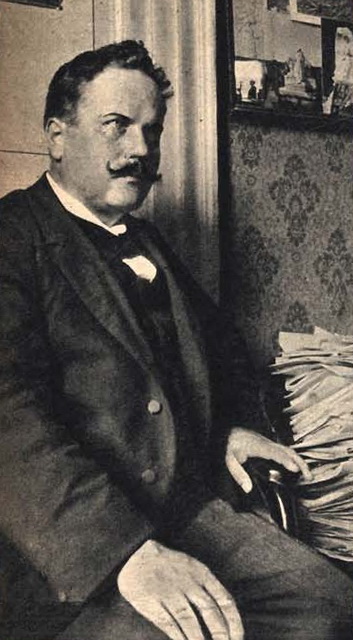
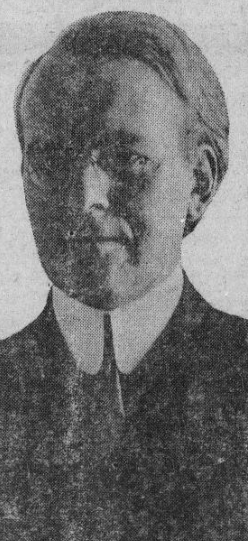
W. A. Chapple was a British author and social commentator known for his provocative exploration of eugenics and societal issues in the early 20th century. His notable work, "The Fertility of the Unfit," published in 1917, delved into the controversial subject of heredity and the perceived dangers of uncontrolled reproduction among those deemed 'unfit' by societal standards. Chapple's writings reflected the anxieties and debates surrounding eugenics during a time when such ideas were gaining traction in various parts of the world, particularly in Britain and the United States. Chapple's contributions to the discourse on eugenics were significant, as they not only mirrored the scientific and ethical dilemmas of his era but also sparked discussions that would resonate in the fields of sociology and public policy. His work is often viewed through a critical lens today, as it raises questions about morality, human rights, and the implications of applying scientific theories to social governance. Despite the contentious nature of his subject matter, Chapple's writings provide a window into the mindset of his time, illustrating the complexities of human reproduction and societal values in the context of early 20th-century thought.
Books from the author

Link to this page
Add a free, dofollow link to Lex on your blog, forum, syllabus, or reading list.

<a href="https://lex-books.com/author/w-a-chapple"><img src="https://lex-books.com/badges/read-on-lex.svg" alt="W. A. Chapple on Lex" width="160" height="40"></a>[](https://lex-books.com/author/w-a-chapple)[url=https://lex-books.com/author/w-a-chapple][img]https://lex-books.com/badges/read-on-lex.svg[/img][/url]W. A. Chapple on Lex: https://lex-books.com/author/w-a-chapple