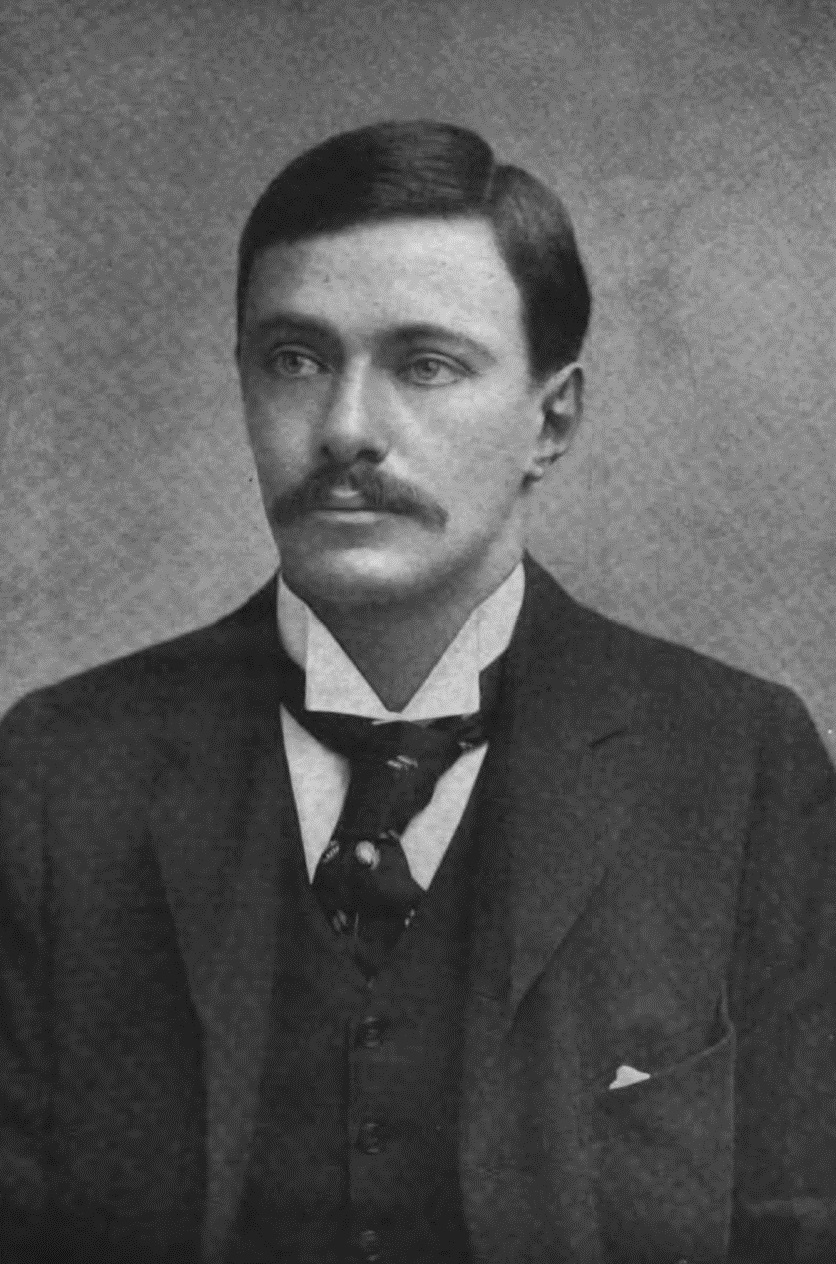
Väinö Kataja
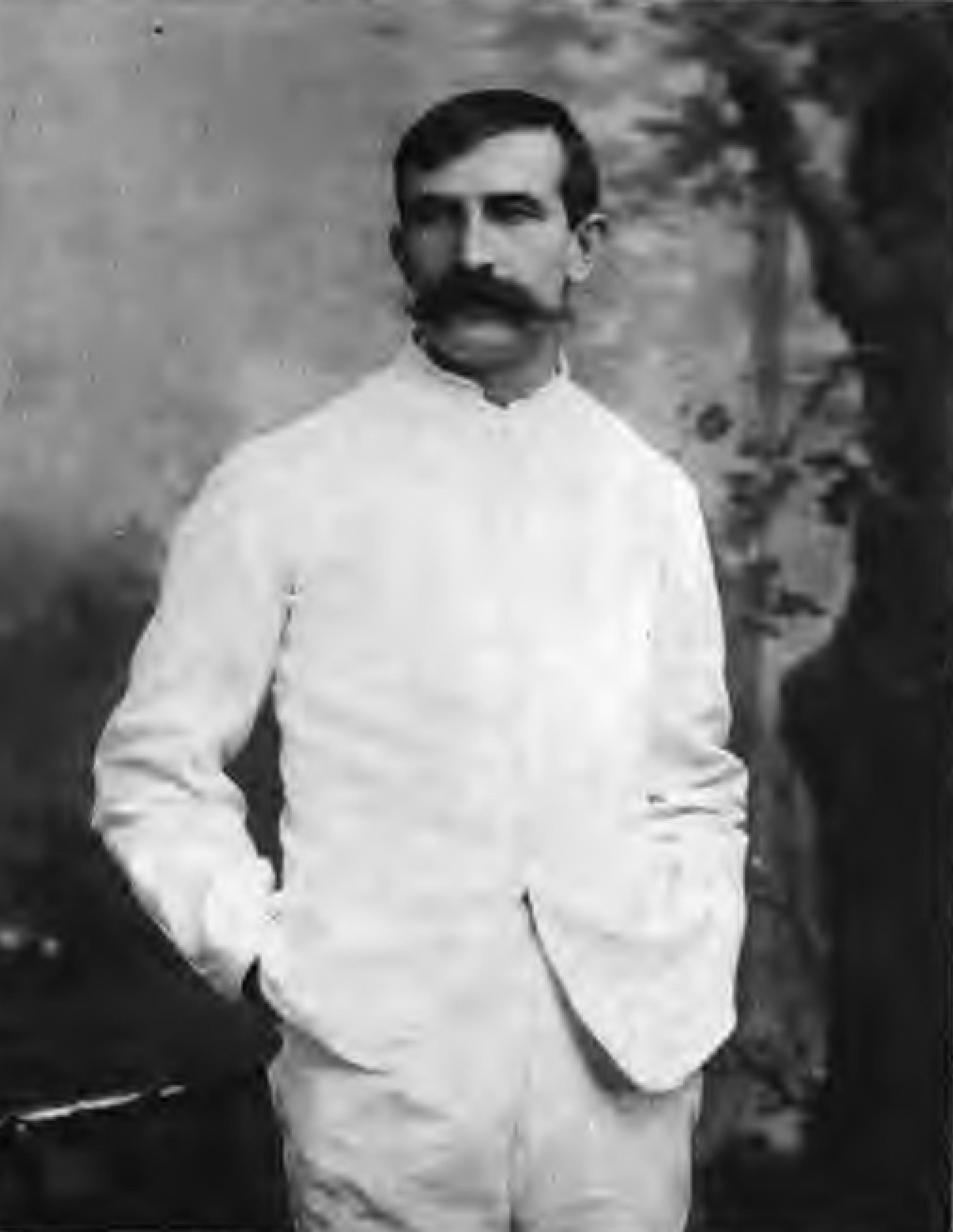
Väinö Kataja was a Finnish playwright and author whose works captured the essence of rural life and the complexities of human relationships in early 20th-century Finland. Born in 1867, Kataja's literary career flourished during a time of significant social and cultural change in Finland. His writings often reflected the struggles and triumphs of ordinary people, showcasing a deep empathy for his characters and their circumstances. Notable works such as 'Koskenlaskijan Morsian' and 'Tullikavaltajia' highlight his ability to weave intricate narratives that resonate with the Finnish spirit and landscape. Kataja's contributions to Finnish literature are marked by his use of local dialects and vivid descriptions of rural settings, which brought authenticity to his storytelling. His plays, including 'Sonniyhdistystä Perustamassa' and 'Kun Isoja Herroja Kulki Heinärannan Kautta,' often explored themes of community, identity, and the impact of modernization on traditional ways of life. Despite his untimely death in 1914, Kataja's works remain significant in the canon of Finnish literature, offering insights into the cultural fabric of his time and influencing subsequent generations of writers. His legacy endures through the continued appreciation of his portrayals of Finnish life and the human experience.
Books from the author


Link to this page
Add a free, dofollow link to Lex on your blog, forum, syllabus, or reading list.

<a href="https://lex-books.com/author/väinö-kataja"><img src="https://lex-books.com/badges/read-on-lex.svg" alt="Väinö Kataja on Lex" width="160" height="40"></a>[](https://lex-books.com/author/väinö-kataja)[url=https://lex-books.com/author/väinö-kataja][img]https://lex-books.com/badges/read-on-lex.svg[/img][/url]Väinö Kataja on Lex: https://lex-books.com/author/väinö-kataja