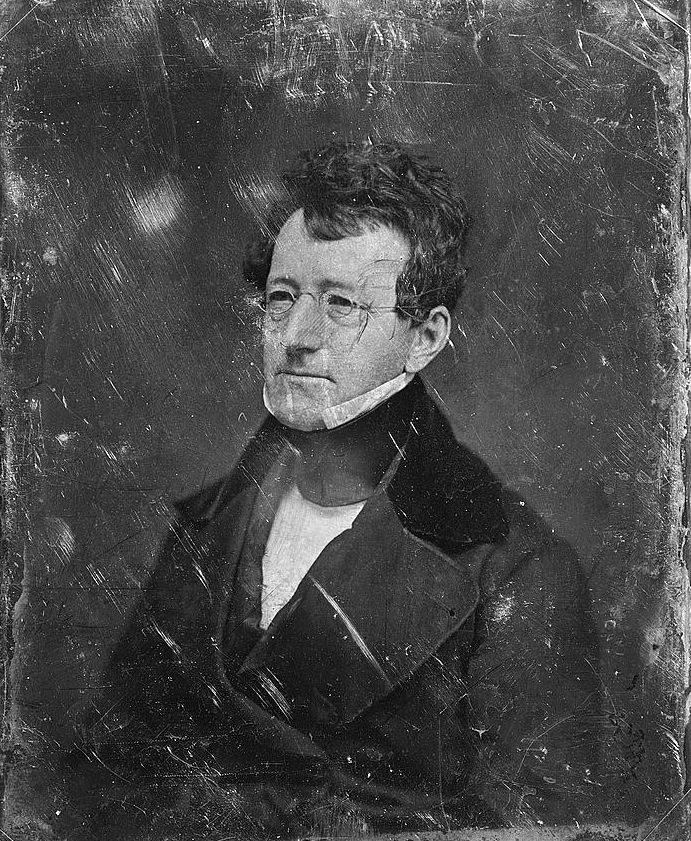
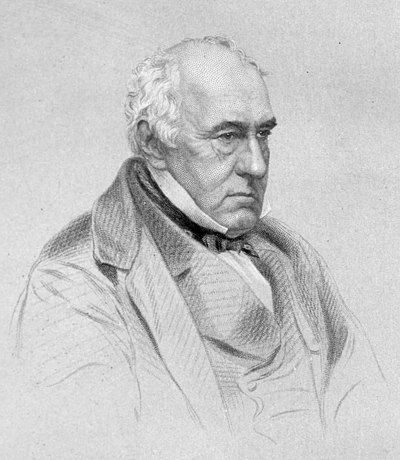
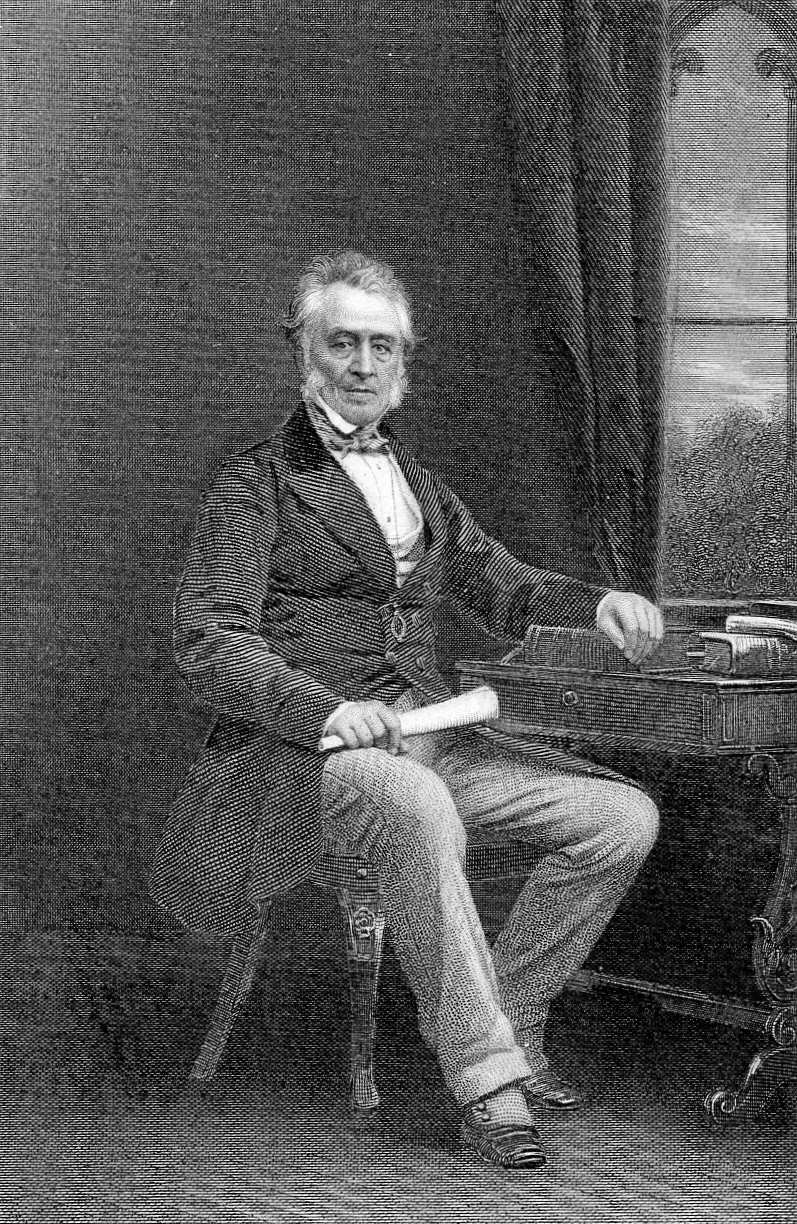
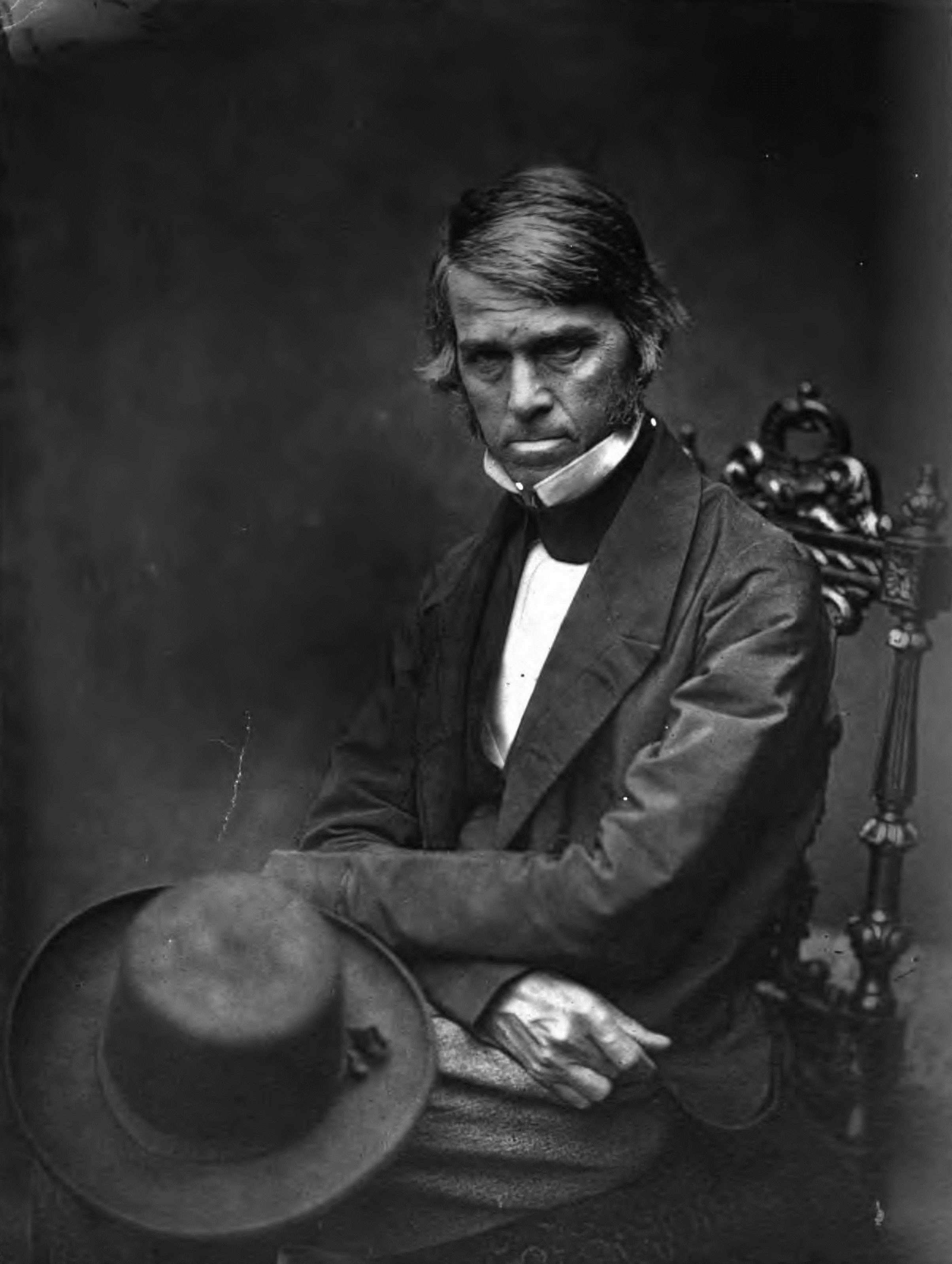
Thomas Reid
Thomas Reid was a prominent Scottish philosopher whose work significantly shaped the landscape of 18th-century thought. As the founder of the Scottish School of Common Sense, he challenged the prevailing skepticism of his time, particularly that of his contemporary David Hume. Reid's philosophical method emphasized the importance of common sense and direct experience in understanding human perception and knowledge. His critiques of Hume's ideas on perception and skepticism laid the groundwork for a new approach to epistemology, focusing on the reliability of human faculties rather than their limitations. Reid's major works, including 'An Inquiry into the Human Mind on the Principles of Common Sense' and 'Essays on the Intellectual Powers of Man,' explored themes of perception, free will, and ethics. He developed an agent-causal theory of free will, arguing for the active role of individuals in their actions, which contrasted sharply with determinist views. His contributions to philosophy extended into ethics and the philosophy of mind, influencing later thinkers and establishing a foundation for discussions on human cognition and moral responsibility. Reid's legacy endures as a pivotal figure in the Scottish Enlightenment, whose ideas continue to resonate in contemporary philosophical discourse.
Famous Quotes
View all 3 quotes“Let scholastic sophisters entangle themselves in their own cobwebs; I am resolved to take my own existence, and the existence of other things, upon trust; and to believe that snow is cold, and honey sweet, whatever they may say to the contrary. He must either be a fool, or want to make a fool of me, that would reason me out of my reason and senses.”
“If there are certain principles, as I think there are, which the' constitution of our nature leads us to believe, and which we are under a necessity to take for granted in the common concerns of life,' without being able to give a reason for them; these are what we call the principles of common sense; and what is manifestly contrary to them, is what we call absurd.”
“The chain is only as strong as its weakest link, for if that fails the chain fails and the object that it has been holding up falls to the ground.”