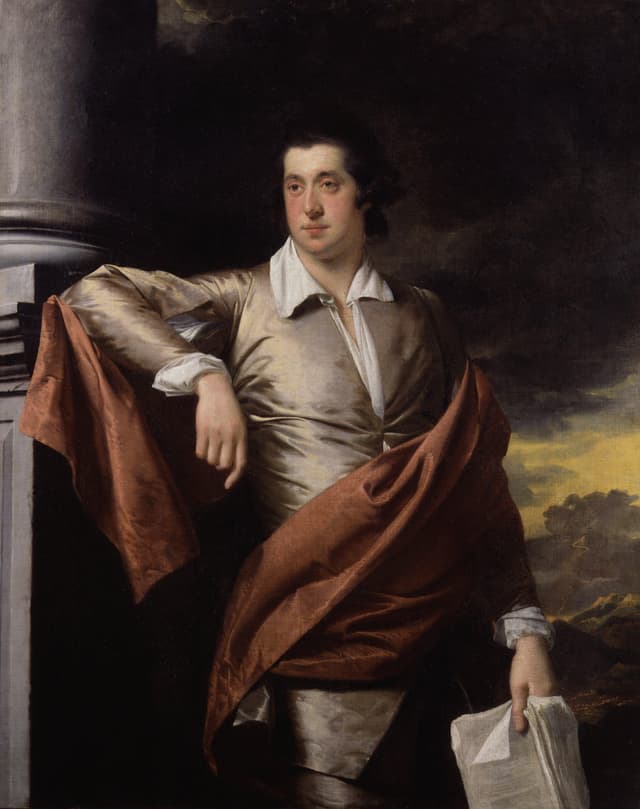
Thomas Day
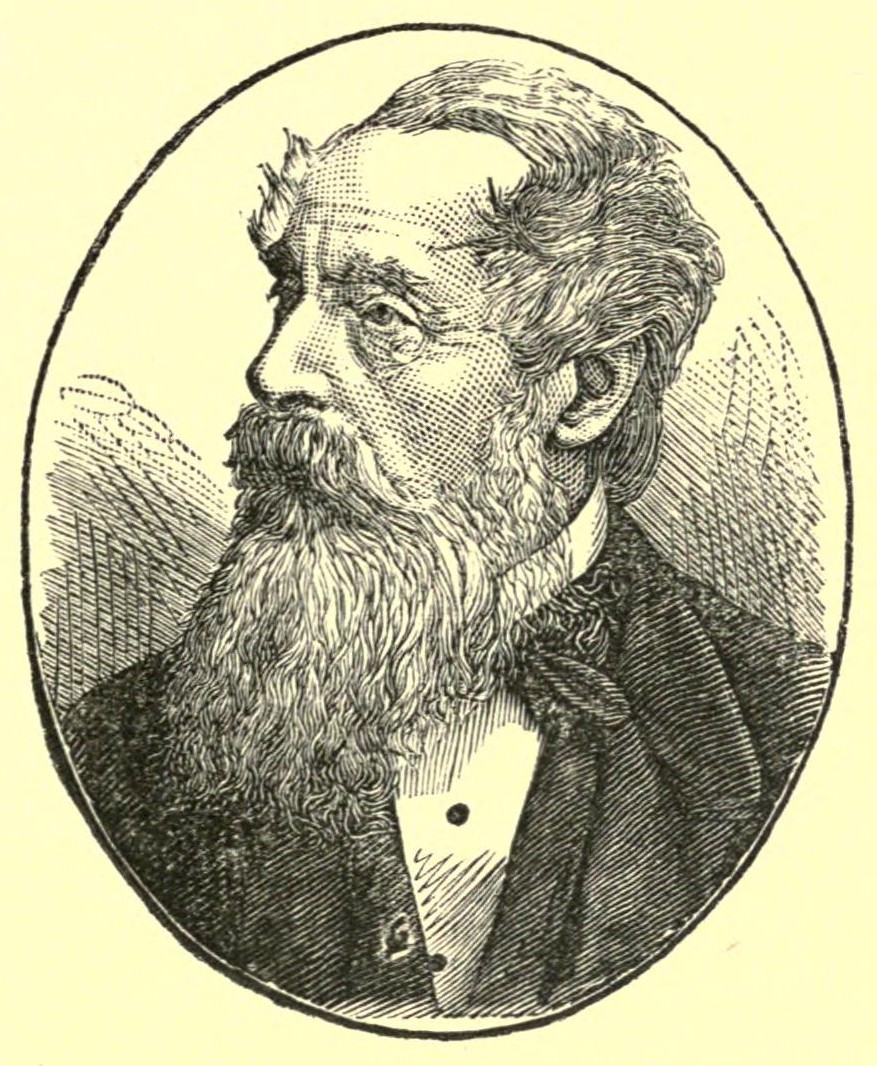
Thomas Day was an English writer and social reformer known for his contributions to children's literature and his advocacy for educational reform in the 18th century. He gained prominence with his novel 'The History of Sandford and Merton,' published in 1783, which presented a progressive view on education, emphasizing the importance of moral development and experiential learning over rote memorization. The book was notable for its innovative approach to teaching children about virtue and social responsibility, making it a significant work in the evolution of children's literature. In addition to his literary pursuits, Day was a prominent figure in the movement for social change, particularly in advocating for the rights of women and the abolition of slavery. His writings often reflected his belief in rational thought and the potential for human improvement. Despite his relatively short life, Day's influence extended beyond his immediate works, as he inspired later generations of writers and educators to consider the moral and ethical dimensions of education. His legacy is marked by a commitment to progressive ideals and the belief that literature could serve as a vehicle for social reform.
Famous Quotes
View all 15 quotes“Do not go gentle into that good night,Old age should burn and rave at close of day;Rage, rage against the dying of the light.””
“Do not go gentle into that good night, Old age should burn and rage at close of day; Rage, rage against the dying of the light.Though wise men at their end know dark is right, Because their words had forked no lightning they Do not go gentle into that good night.Good men, the last wave by, crying how bright Their frail deeds might have danced in a green bay, Rage, rage against the dying of the light.Wild men who caught and sang the sun in flight, And learn, too late, they grieved it on its way, Do not go gentle into that good night.Grave men, near death, who see with blinding sight Blind eyes could blaze like meteors and be gay, Rage, rage against the dying of the light.And you, my father, there on the sad height, Curse, bless me now with your fierce tears, I pray. Do not go gentle into that good night. Rage, rage against the dying of the light.””
“Then out spake brave Horatius,The Captain of the gate:‘To every man upon this earthDeath cometh soon or late.And how can man die betterThan facing fearful odds,For the ashes of his fathers,And the temples of his Gods,‘And for the tender motherWho dandled him to rest,And for the wife who nursesHis baby at her breast,And for the holy maidensWho feed the eternal flame,To save them from false SextusThat wrought the deed of shame?‘Hew down the bridge, Sir Consul,With all the speed ye may;I, with two more to help me,Will hold the foe in play.In yon strait path a thousandMay well be stopped by three.Now who will stand on either hand,And keep the bridge with me?Then out spake Spurius Lartius;A Ramnian proud was he:‘Lo, I will stand at thy right hand,And keep the bridge with thee.’And out spake strong Herminius;Of Titian blood was he:‘I will abide on thy left side,And keep the bridge with thee.’‘Horatius,’ quoth the Consul,‘As thou sayest, so let it be.’And straight against that great arrayForth went the dauntless Three.For Romans in Rome’s quarrelSpared neither land nor gold,Nor son nor wife, nor limb nor life,In the brave days of old.Then none was for a party;Then all were for the state;Then the great man helped the poor,And the poor man loved the great:Then lands were fairly portioned;Then spoils were fairly sold:The Romans were like brothersIn the brave days of old.Now Roman is to RomanMore hateful than a foe,And the Tribunes beard the high,And the Fathers grind the low.As we wax hot in faction,In battle we wax cold:Wherefore men fight not as they foughtIn the brave days of old.””
Books from the author




Link to this page
Add a free, dofollow link to Lex on your blog, forum, syllabus, or reading list.

<a href="https://lex-books.com/author/thomas-day"><img src="https://lex-books.com/badges/read-on-lex.svg" alt="Thomas Day on Lex" width="160" height="40"></a>[](https://lex-books.com/author/thomas-day)[url=https://lex-books.com/author/thomas-day][img]https://lex-books.com/badges/read-on-lex.svg[/img][/url]Thomas Day on Lex: https://lex-books.com/author/thomas-day