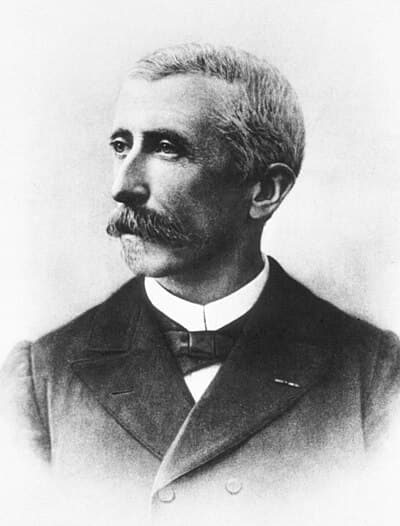
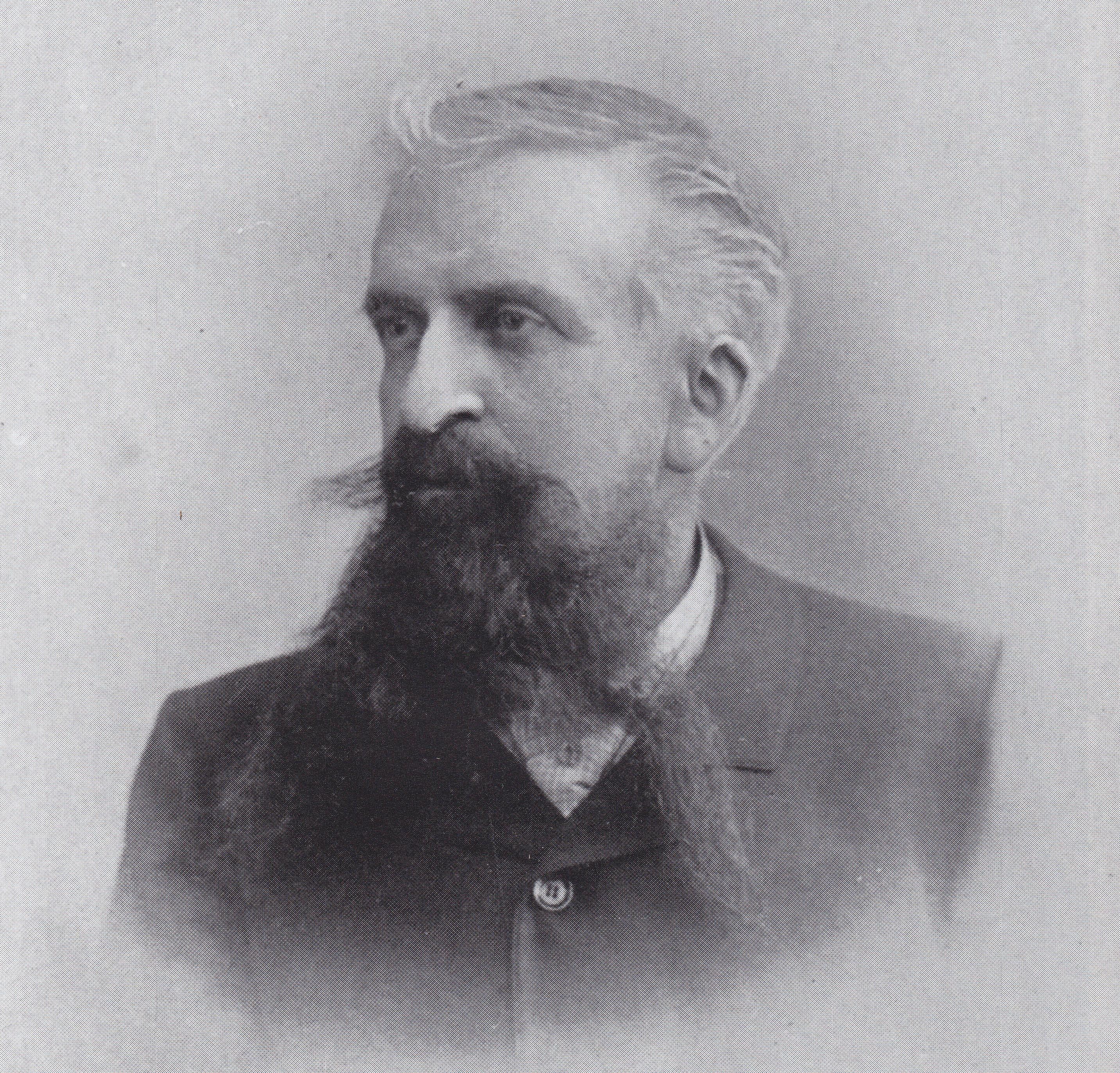
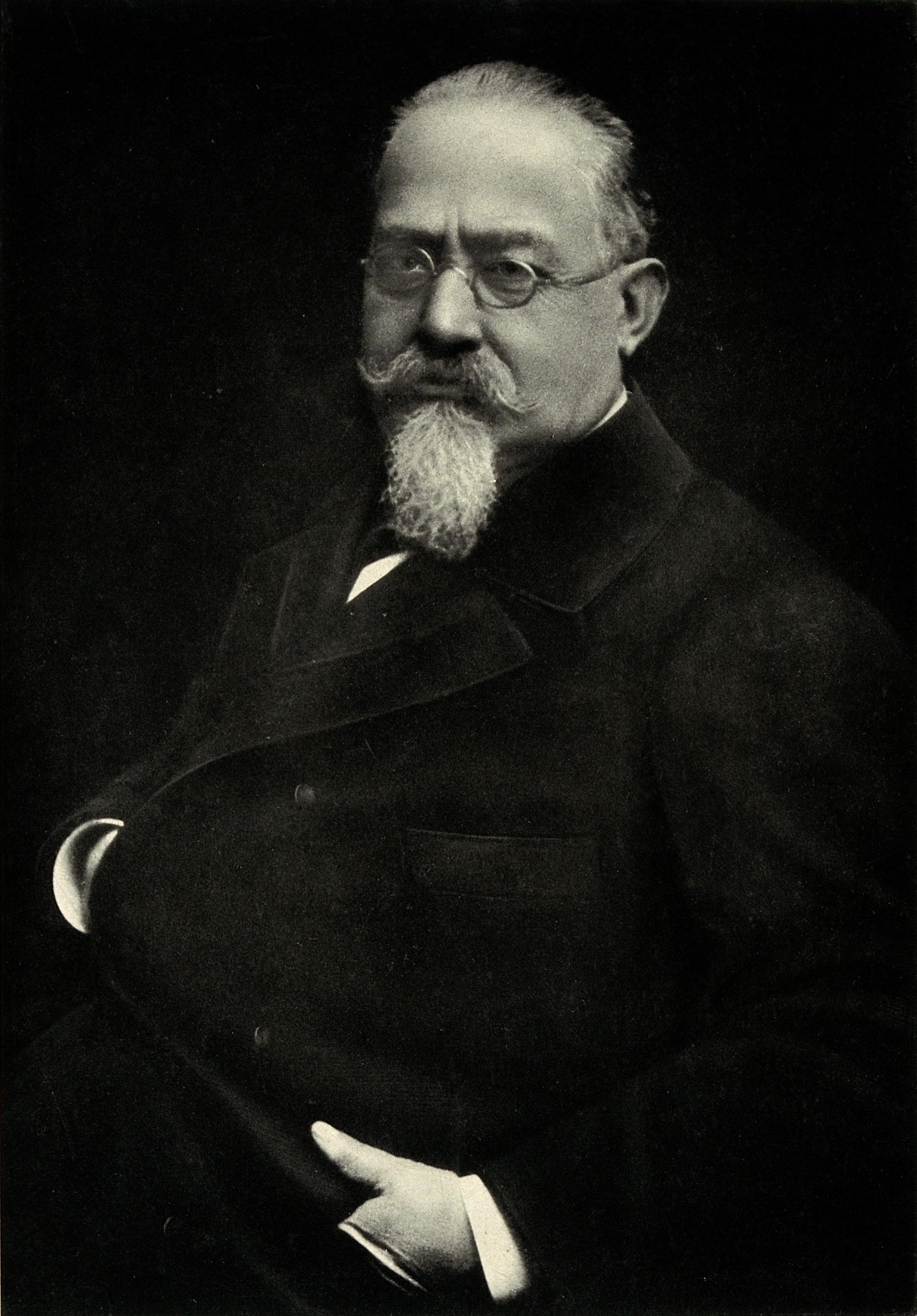
Th. Ribot
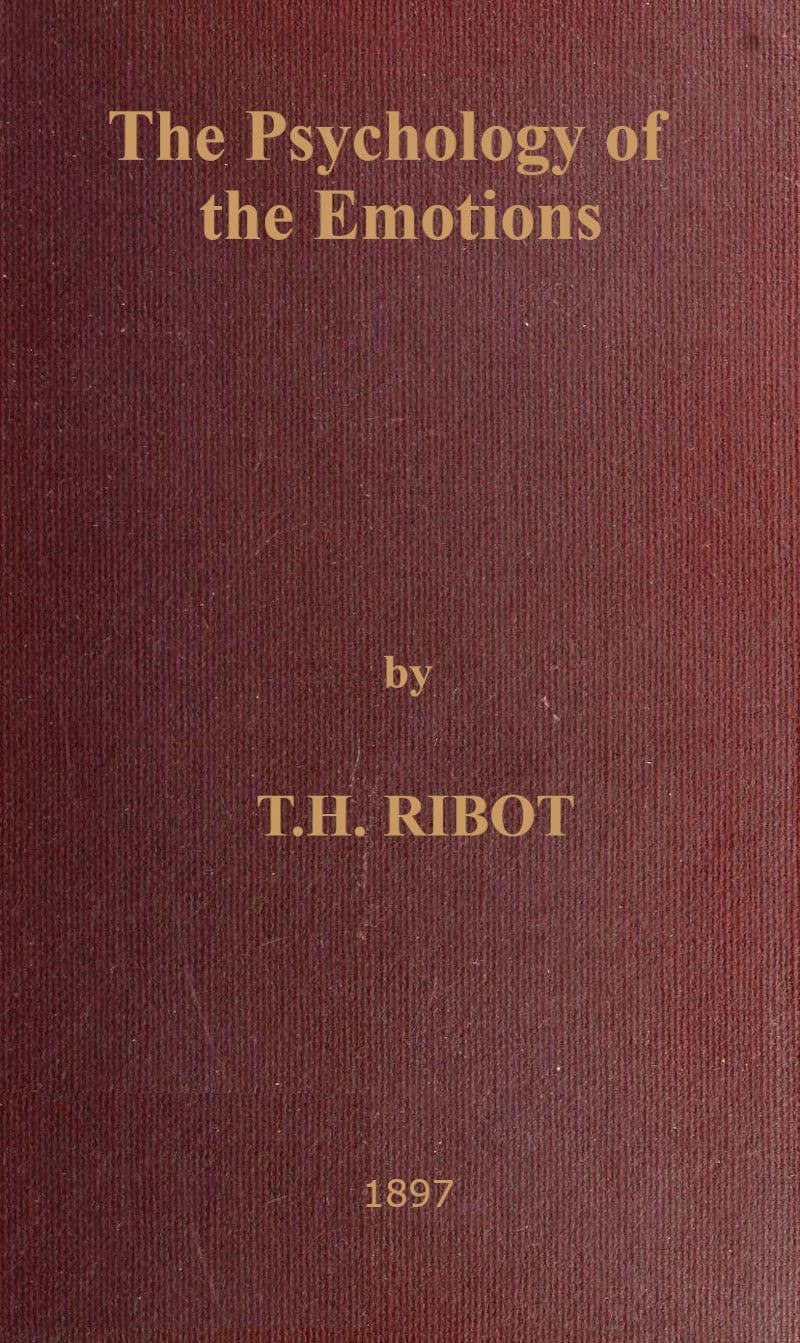
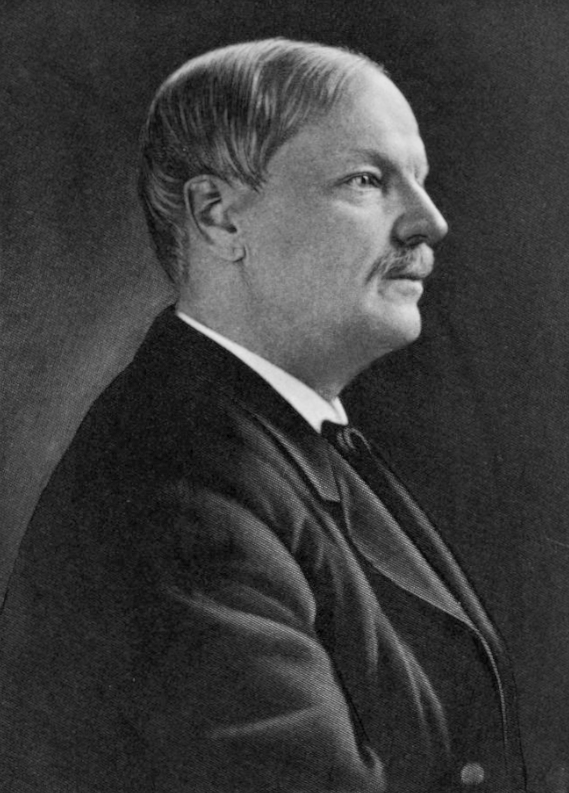
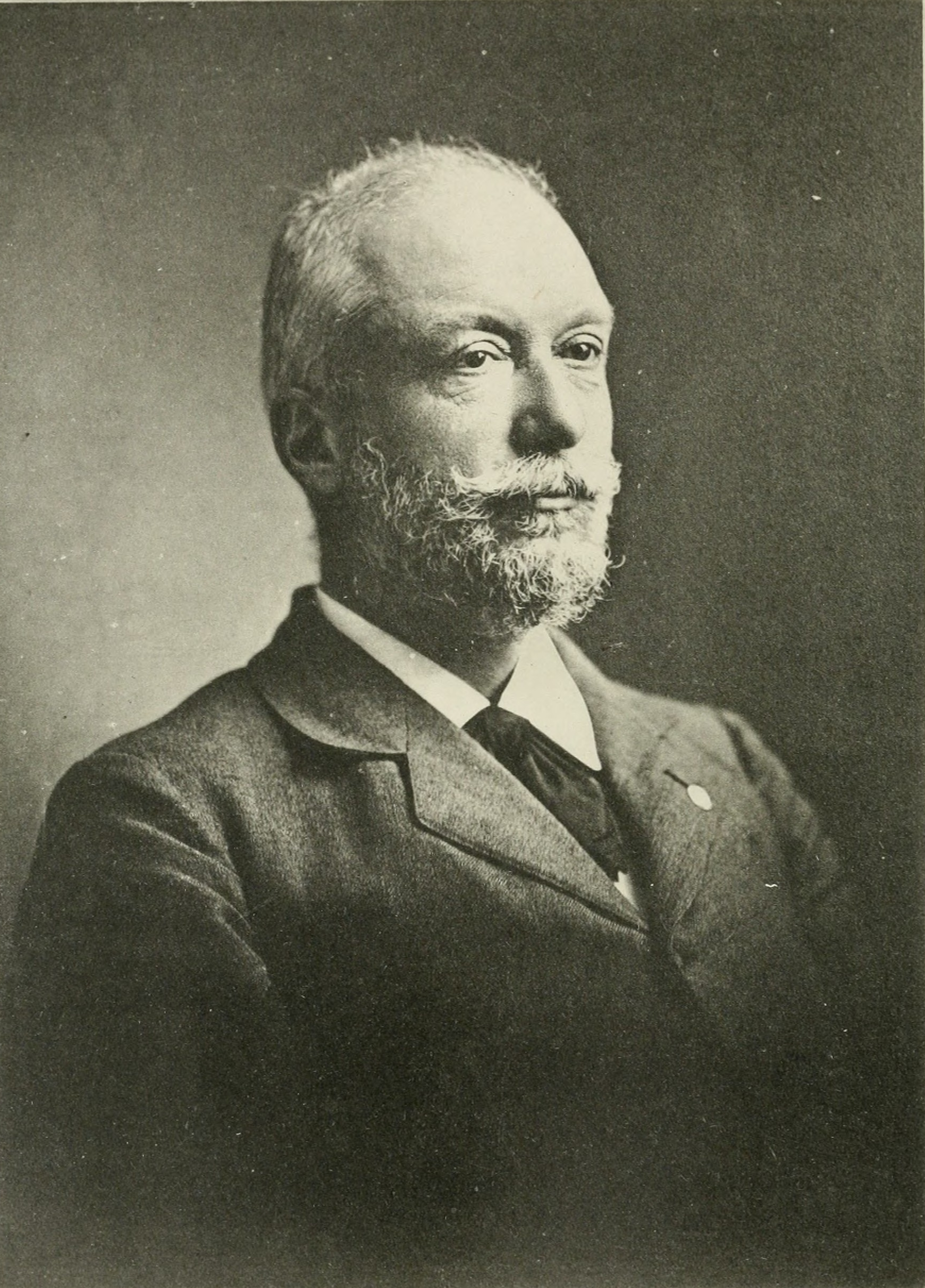
Th. Ribot was a prominent French psychologist and philosopher known for his influential works that bridged the gap between psychology and philosophy in the late 19th and early 20th centuries. He was particularly interested in the nature of memory and the psychological processes underlying human behavior. Ribot's seminal works, such as "The Psychology of the Emotions" and "The Diseases of Memory," explored the complexities of mental functions and the impact of emotions on human experience. His approach combined empirical research with philosophical inquiry, making significant contributions to the emerging field of psychology at the time. Ribot's legacy lies in his role as a precursor to modern psychology, particularly in the areas of memory and emotion. He was one of the first to systematically study the relationship between psychological phenomena and physiological processes, influencing later thinkers and shaping the direction of psychological research. His ideas on the fragmentation of memory and the implications of emotional disturbances paved the way for future studies in cognitive psychology and neuropsychology, establishing him as a key figure in the evolution of psychological thought.
Books from the author

Link to this page
Add a free, dofollow link to Lex on your blog, forum, syllabus, or reading list.

<a href="https://lex-books.com/author/th-ribot"><img src="https://lex-books.com/badges/read-on-lex.svg" alt="Th. Ribot on Lex" width="160" height="40"></a>[](https://lex-books.com/author/th-ribot)[url=https://lex-books.com/author/th-ribot][img]https://lex-books.com/badges/read-on-lex.svg[/img][/url]Th. Ribot on Lex: https://lex-books.com/author/th-ribot