
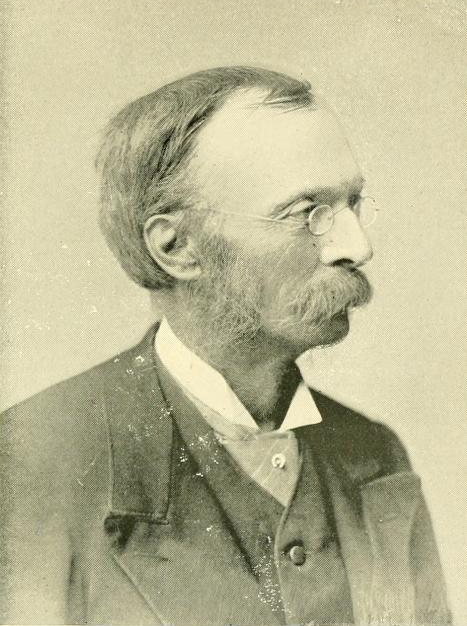
János Varga
János Varga was a Hungarian writer and folklorist, recognized for his contributions to the preservation and study of Hungarian folklore and traditions. His most notable work, 'A babonák könyve' (The Book of Superstitions), published in 1870, delves into the rich tapestry of superstitions that permeated Hungarian culture. Through meticulous research and vivid storytelling, Varga captured the essence of rural life and the beliefs that shaped the worldview of his contemporaries. Varga's work not only served as a repository of cultural knowledge but also highlighted the intersection of folklore and literature in 19th-century Hungary. His exploration of superstitions reflected broader themes of belief, tradition, and the human experience, making his writings significant in the context of Hungarian literary history. Despite his early death at the age of 37, Varga's legacy endures through his dedication to documenting the nuances of Hungarian folklore, influencing future generations of writers and folklorists in the region.
Books from the author




Link to this page
Add a free, dofollow link to Lex on your blog, forum, syllabus, or reading list.

<a href="https://lex-books.com/author/jános-varga"><img src="https://lex-books.com/badges/read-on-lex.svg" alt="János Varga on Lex" width="160" height="40"></a>[](https://lex-books.com/author/jános-varga)[url=https://lex-books.com/author/jános-varga][img]https://lex-books.com/badges/read-on-lex.svg[/img][/url]János Varga on Lex: https://lex-books.com/author/jános-varga