
T. R. Fehrenbach
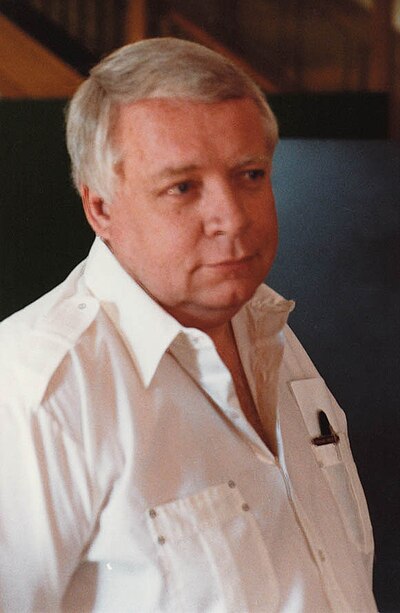
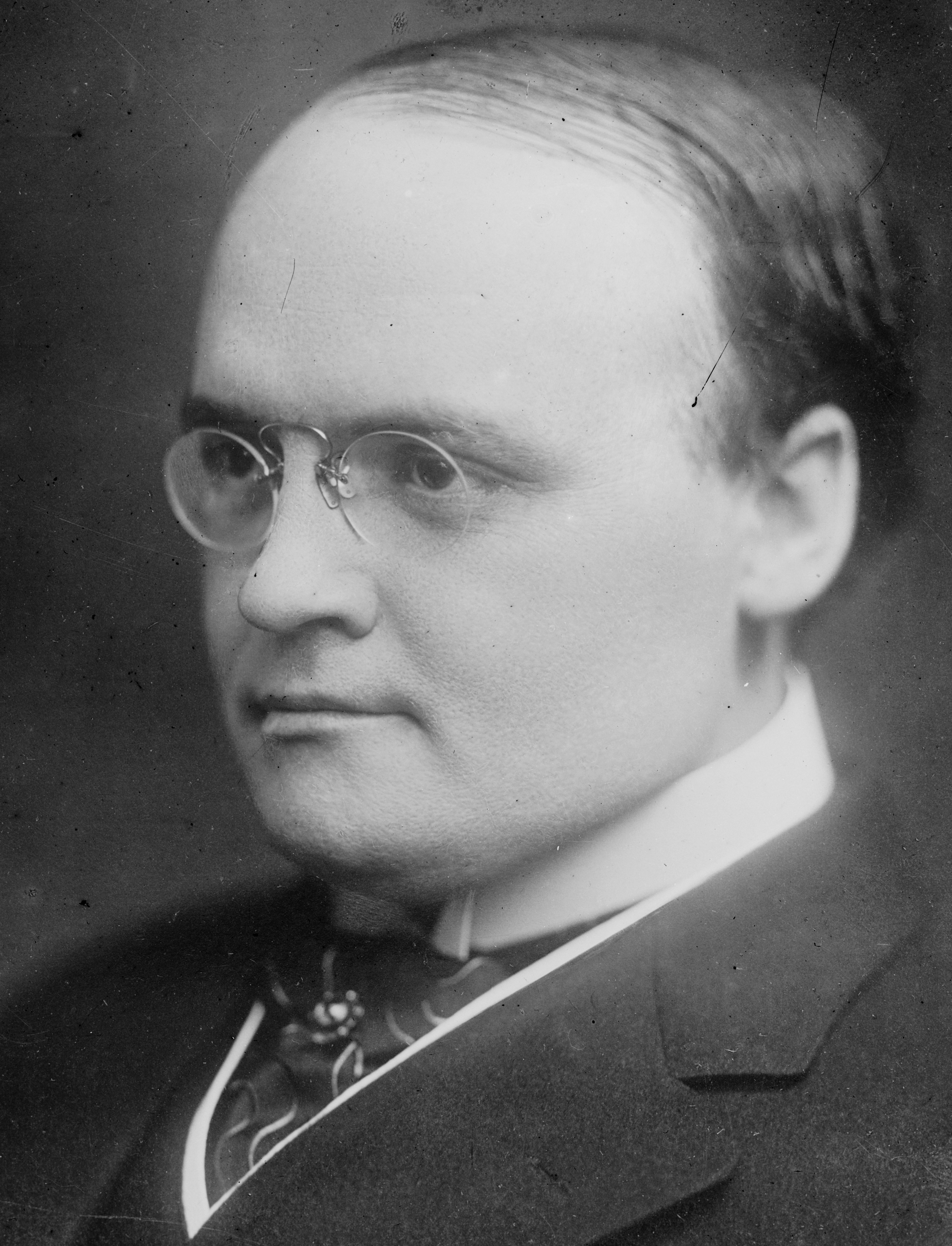
T. R. Fehrenbach was an influential American historian and columnist known for his extensive writings on Texas and military history. A graduate of Princeton University, he authored over twenty books, with notable works including 'Lone Star: A History of Texas and Texans' and 'This Kind of War,' the latter of which received high praise from figures such as Senator John McCain and Secretary of Defense James Mattis for its insightful analysis of the Korean War. Despite his own service as a U.S. Army officer during the conflict, Fehrenbach chose to focus on broader themes of warfare and its implications in his writing, establishing himself as a significant voice in military literature. Fehrenbach's contributions extended beyond his books; he wrote for prominent publications like Esquire and The Atlantic, and he held a long-standing position as a columnist for the San Antonio Express-News. His work often explored the complex histories of Texas, Mexico, and the Comanche people, reflecting a deep understanding of the cultural and historical narratives that shaped the region. As the former head of the Texas Historical Commission, he played a crucial role in preserving and promoting Texas history. Fehrenbach's legacy endures through his impactful writings, which continue to inform and engage readers interested in the rich tapestry of American history.
Famous Quotes
View all 3 quotes“In July, 1950, one news commentator rather plaintively remarked that warfare had not changed so much, after all. For some reason, ground troops still seemed to be necessary, in spite of the atom bomb. And oddly and unfortunately, to this gentleman, man still seemed to be an important ingredient in battle. Troops were still getting killed, in pain and fury and dust and filth. What happened to the widely-heralded pushbutton warfare where skilled, immaculate technicians who never suffered the misery and ignominy of basic training blew each other to kingdom come like gentlemen? In this unconsciously plaintive cry lies the buried a great deal of the truth why the United States was almost defeated. Nothing had happened to pushbutton warfare; its emergence was at hand. Horrible weapons that could destroy every city on Earth were at hand—at too many hands. But, pushbutton warfare meant Armageddon, and Armageddon, hopefully, will never be an end of national policy. Americans in 1950 rediscovered something that since Hiroshima they had forgotten: you may fly over a land forever; you may bomb it, atomize it, pulverize it and wipe it clean of life—but if you desire to defend it, protect it and keep it for civilization, you must do this on the ground, the way the Roman legions did, by putting your young men in the mud.”
“Americans in 1950 rediscovered something that since Hiroshima they had forgotten: you may fly over a land forever; you may bomb it, atomize it, pulverize it and wipe it clean of life—but if you desire to defend it, protect it, and keep it for civilization, you must do this on the ground, the way the Roman legions did, by putting your young men into the mud.”
“A nation that does not prepare for all the forms of war should then renounce the use of war in national policy. A people that does not prepare to fight should then be morally prepared to surrender. To fail to prepare soldiers and citizens for limited, bloody ground action, and then to engage in it, is folly verging on the criminal.”
Books from the author








Link to this page
Add a free, dofollow link to Lex on your blog, forum, syllabus, or reading list.

<a href="https://lex-books.com/author/t-r-fehrenbach"><img src="https://lex-books.com/badges/read-on-lex.svg" alt="T. R. Fehrenbach on Lex" width="160" height="40"></a>[](https://lex-books.com/author/t-r-fehrenbach)[url=https://lex-books.com/author/t-r-fehrenbach][img]https://lex-books.com/badges/read-on-lex.svg[/img][/url]T. R. Fehrenbach on Lex: https://lex-books.com/author/t-r-fehrenbach