
Algis Budrys
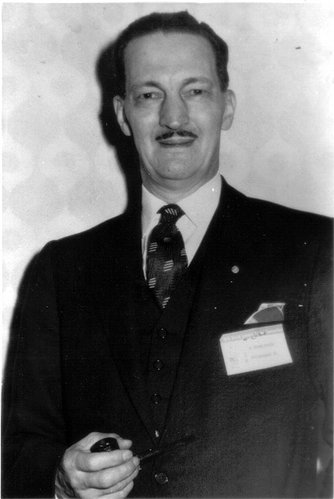
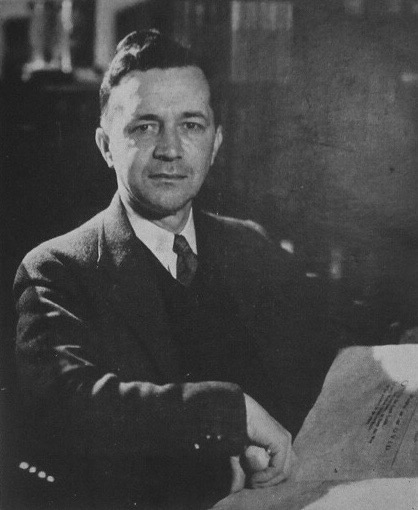
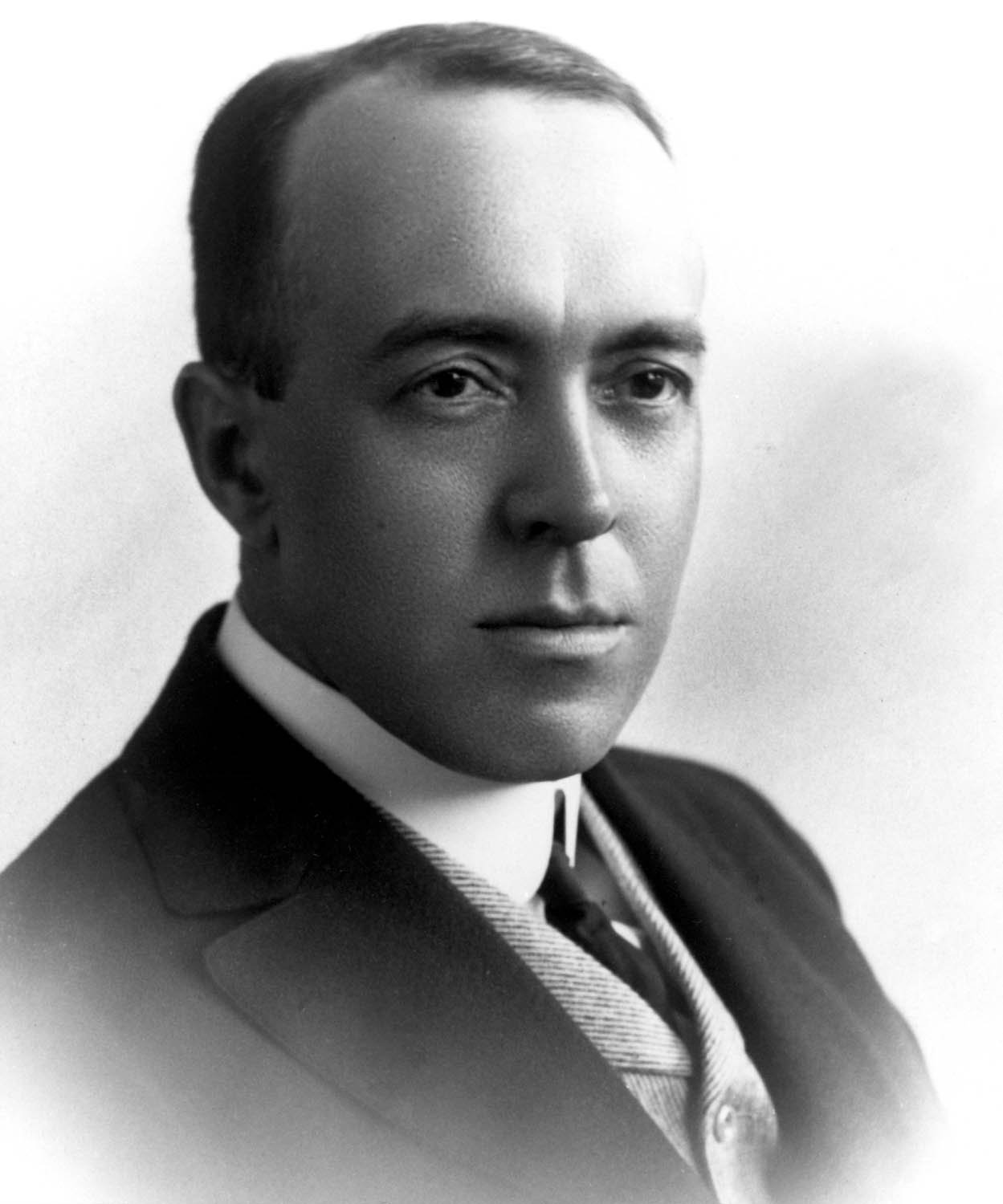
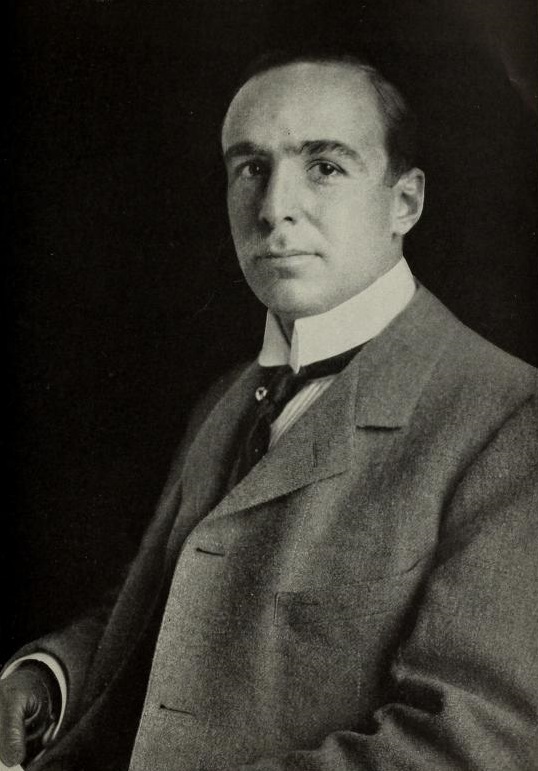
Algis Budrys was a Lithuanian-American science fiction author, editor, and critic, whose work significantly influenced the genre in the mid-20th century. He is best known for his novels such as 'Who?' and 'Rogue Moon,' which explored complex themes of identity, technology, and the human condition. Budrys's writing was characterized by its intellectual depth and philosophical undertones, setting him apart from many of his contemporaries. He often employed various pen names, including Frank Mason and John A. Sentry, and collaborated with notable writers like Jerome Bixby, showcasing his versatility and engagement with the science fiction community. In addition to his fiction, Budrys made a lasting impact as an editor and critic. In the 1990s, he served as the publisher and editor of 'Tomorrow Speculative Fiction,' a magazine that provided a platform for innovative voices in science fiction. His contributions to literature and criticism helped shape the discourse around science fiction, emphasizing its potential to explore profound questions about humanity and society. Budrys's legacy endures through his thought-provoking narratives and his role in fostering a vibrant literary community within the genre.
Famous Quotes
View all 3 quotes“Perhaps it's the alien equivalent of a discarded tomato can. Does a beetle know why it can enter the can only from one end as it lies across the trail to the beetle's burrow? Does the beetle understand why it is harder to climb to the left or right, inside the can, than it is to follow a straight line? Would the beetle be a fool to assume the human race put the can there to torment it — or an egomaniac to believe the can was manufactured only to mystify it? It would be best for the beetle to study the can in terms of the can's logic, to the limit of the beetle's ability. In that way, at least, the beetle can proceed intelligently. It may even grasp some hint of the can's maker. Any other approach is either folly or madness.”
“I have to have time to think. Why does time run on while a man thinks?”
“I made a discovery. It was cold enough to make my eyes water, and I found out that If I kept them almost closed, the moisture diffused the lights, so that everything - the Moon, the stars, the street lamp - seemed to have halos and points of scattered light around it. The snow-banks seemed to glitter like a sea of spun sugar, and all the stars were woven together by a lace of incandescence, so that I was walking through a Universe so wild, so wonderful that my heart nearly broke with its beauty. "For years, I carried that time and place in mind. It's still there. But the thing is, the Universe didn't make it. I did. I saw it, but I saw it because I made myself see it. I took the stars, which are distant suns, and the night, which is the Earth's shadow, and the snow, which is water undergoing a state-change, and I took the tears in my eyes, and I made a wonderland. No one else has ever been able to see it. No one else has ever been able to go there. Not even I can ever return to it physically, it lies thirty-eight years in the past, in the eye-level perspective of a child, its stereoscopic accuracy based on the separation between the eyes of a child. In only one place does it actually exist. In my mind Elizabeth - in my life. "But I will die, and where will it be, then?" Elizabeth looked up at him. "In mind mind a little? Along with the rest of you?" Hawks looked at her. He reached out and, bending forward as tenderly as a child receiving a snowflake to hold, gently enclosed her in his arms. "Elizabeth, Elizabeth," he said. "I never realized that. I never realized what you were letting me do." "I love you.”
Books from the author












Link to this page
Add a free, dofollow link to Lex on your blog, forum, syllabus, or reading list.

<a href="https://lex-books.com/author/algis-budrys"><img src="https://lex-books.com/badges/read-on-lex.svg" alt="Algis Budrys on Lex" width="160" height="40"></a>[](https://lex-books.com/author/algis-budrys)[url=https://lex-books.com/author/algis-budrys][img]https://lex-books.com/badges/read-on-lex.svg[/img][/url]Algis Budrys on Lex: https://lex-books.com/author/algis-budrys