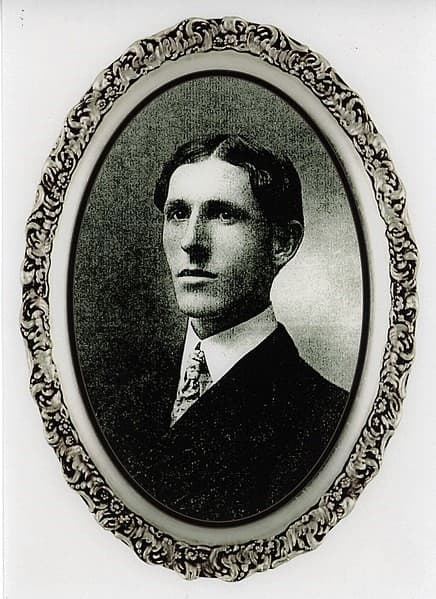
Bertrand W. Sinclair
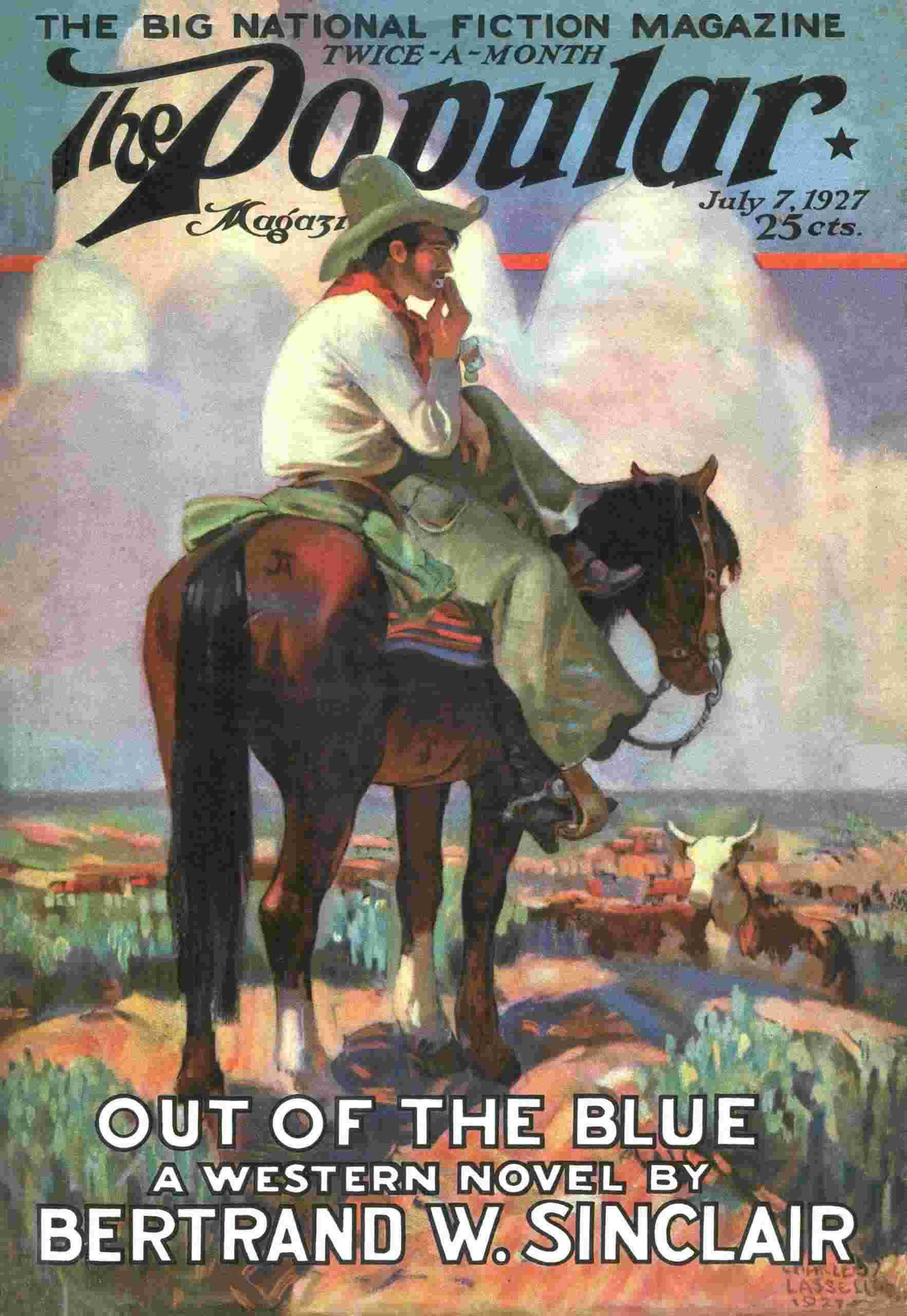
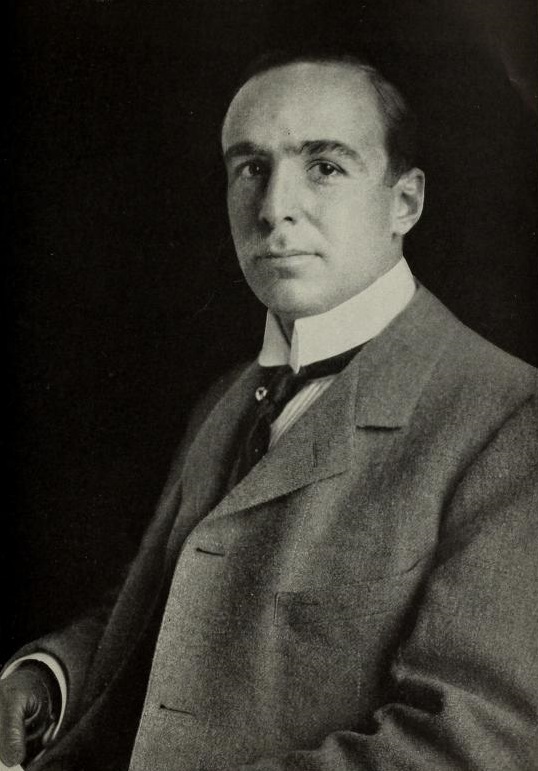
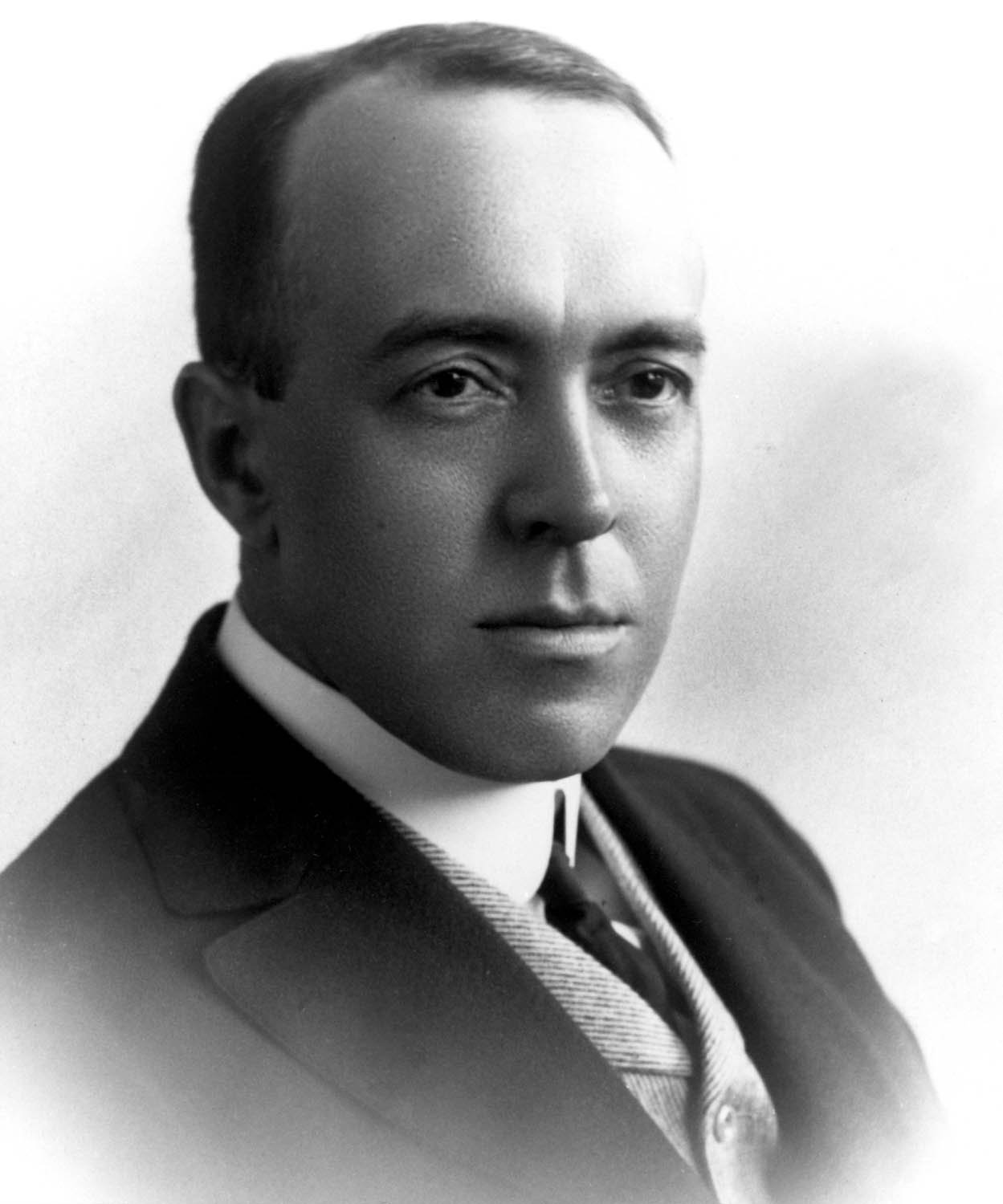
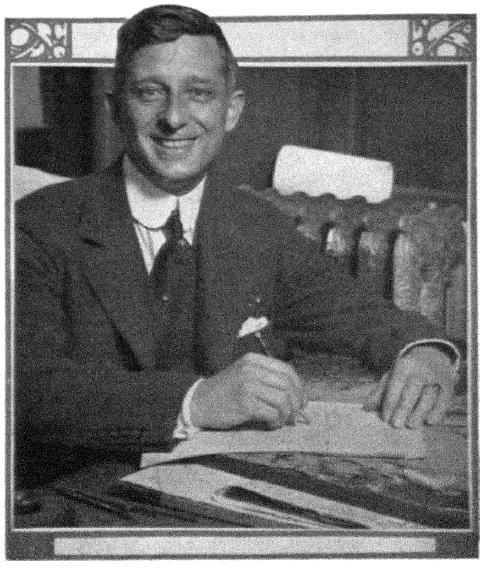
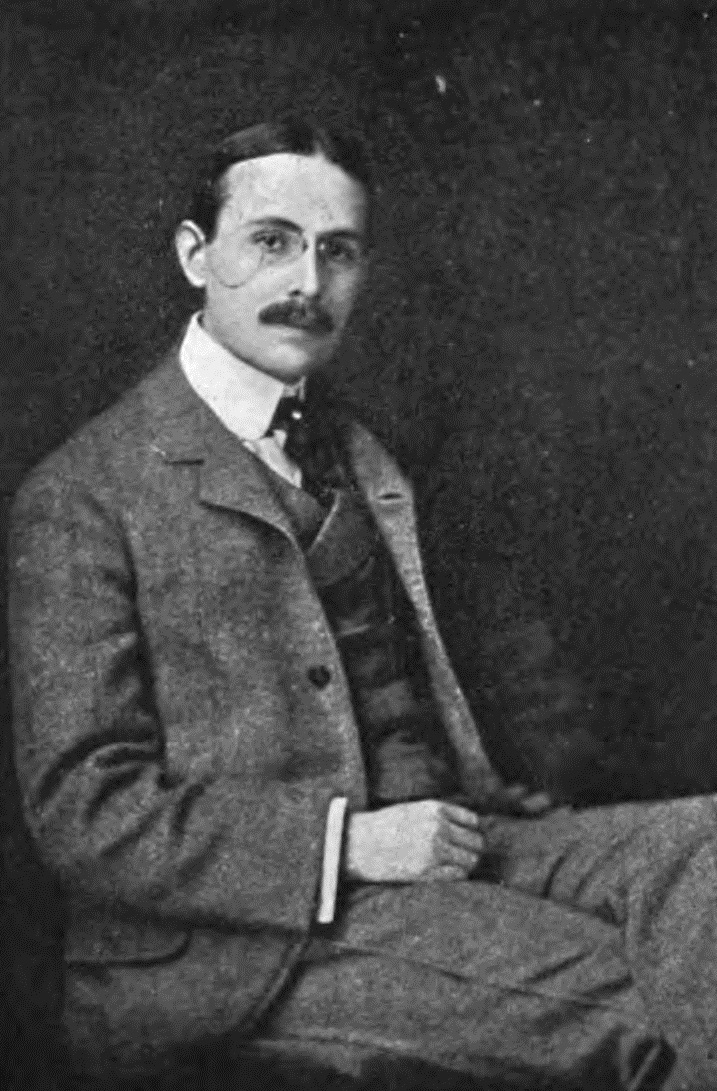
Bertrand W. Sinclair was a Canadian novelist renowned for his vivid depictions of the American West and the landscapes of British Columbia. Born in Edinburgh, Scotland, he emigrated to Canada as a child and spent his formative years as a cowboy in Montana, experiences that would deeply influence his writing. Sinclair's literary career began in 1905, coinciding with his marriage to fellow author B. M. Bower, who played a significant role in shaping his approach to storytelling. He became known for his engaging westerns, including notable works such as 'The Prairie Wife' and 'The Man from the West', which captured the rugged spirit of frontier life and the complexities of human relationships in a rapidly changing world. Sinclair's contributions to literature extended beyond mere entertainment; he was instrumental in popularizing the western genre in Canadian literature. His works often explored themes of identity, belonging, and the harsh realities of life on the frontier, reflecting both the romanticism and the challenges of the era. Through his storytelling, Sinclair not only entertained readers but also provided a lens into the cultural and social dynamics of early 20th-century North America. His legacy endures as a significant figure in Canadian literary history, paving the way for future generations of writers in the genre.
Books from the author
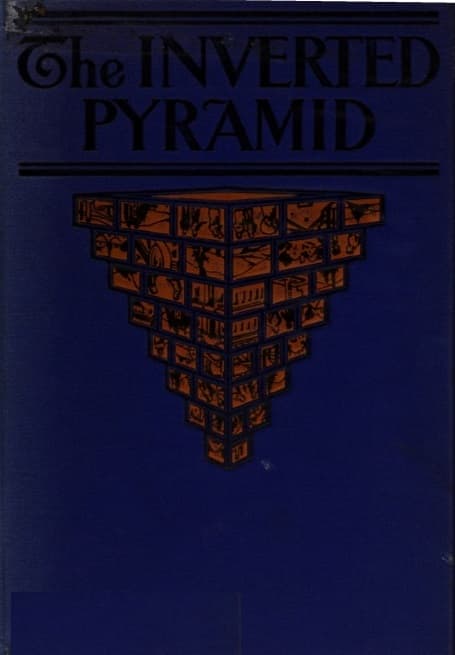
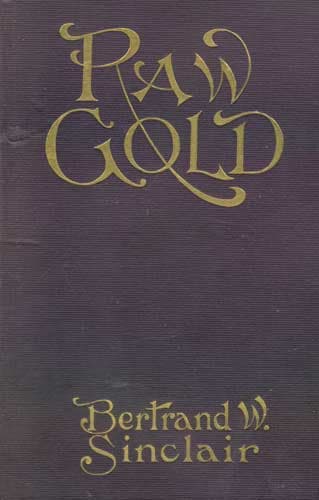



Link to this page
Add a free, dofollow link to Lex on your blog, forum, syllabus, or reading list.

<a href="https://lex-books.com/author/bertrand-w-sinclair"><img src="https://lex-books.com/badges/read-on-lex.svg" alt="Bertrand W. Sinclair on Lex" width="160" height="40"></a>[](https://lex-books.com/author/bertrand-w-sinclair)[url=https://lex-books.com/author/bertrand-w-sinclair][img]https://lex-books.com/badges/read-on-lex.svg[/img][/url]Bertrand W. Sinclair on Lex: https://lex-books.com/author/bertrand-w-sinclair