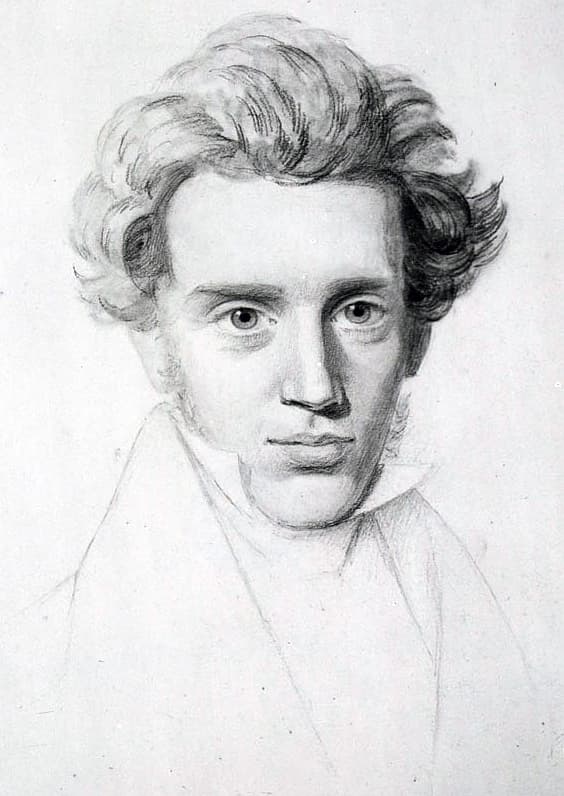
Søren Kierkegaard
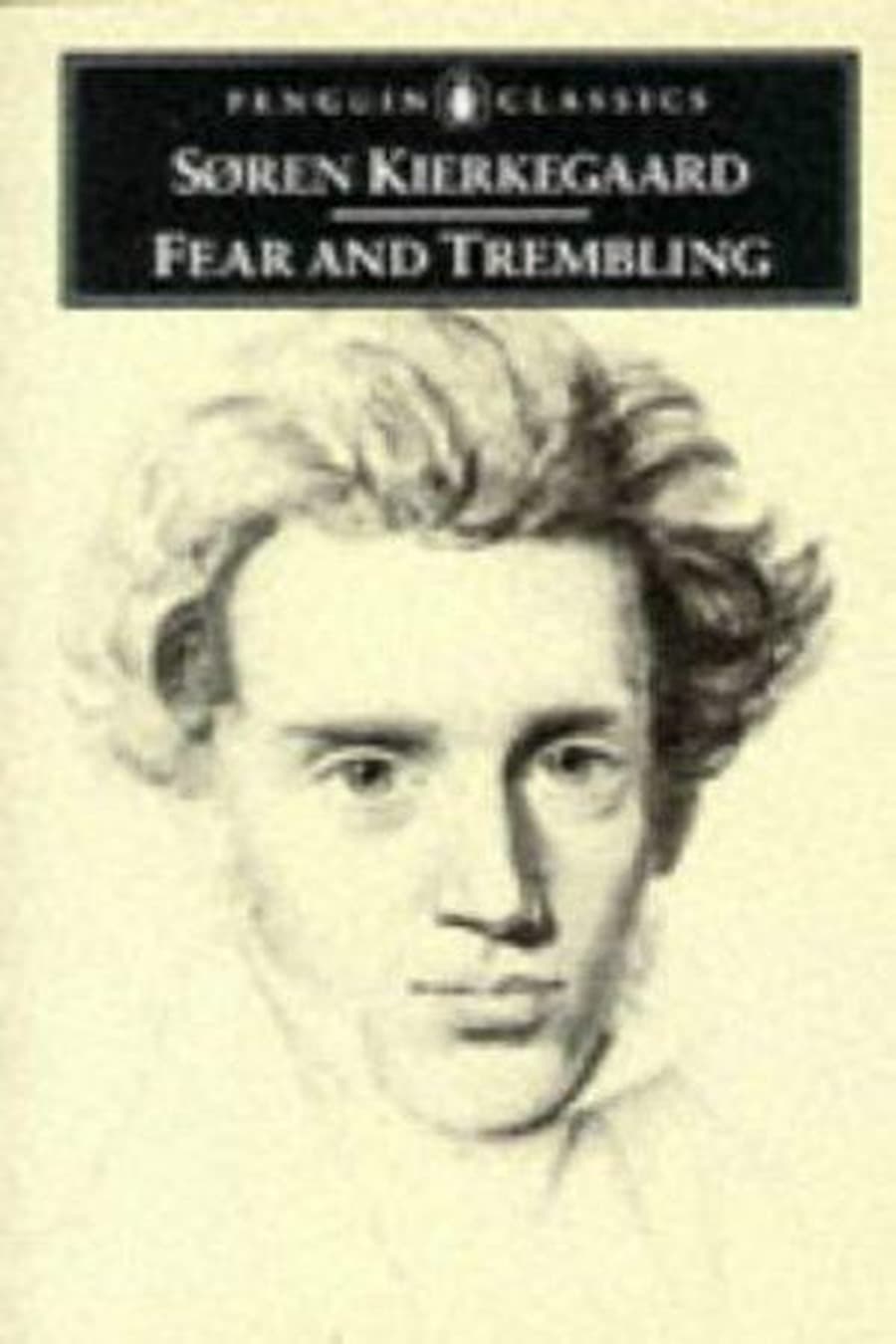
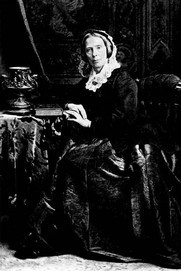
Søren Kierkegaard was a Danish philosopher, theologian, and writer, often regarded as the father of existentialism. Born in Copenhagen, he was the youngest of seven children in a devoutly Christian family. Kierkegaard's early life was marked by personal tragedy, including the death of his father, which profoundly influenced his philosophical outlook. He studied theology and philosophy at the University of Copenhagen, where he developed a keen interest in the nature of existence and individual experience. His writings often grappled with themes of anxiety, despair, faith, and the complexities of human choice, setting the stage for modern existential thought. Among his notable works are "Either/Or," which explores the aesthetic and ethical stages of life, and "Fear and Trembling," a profound examination of faith through the biblical story of Abraham and Isaac. Kierkegaard's unique style combined philosophical discourse with literary elements, making his ideas accessible and engaging. His critique of established religion and emphasis on personal faith and subjective truth challenged the norms of his time, paving the way for later existentialists like Jean-Paul Sartre and Friedrich Nietzsche. Despite his relatively short life, Kierkegaard's influence on philosophy, theology, and literature has been immense, and he remains a pivotal figure in discussions of modern existentialism and the nature of the self.
Famous Quotes
View all 20 quotes“Life can only be understood backwards; but it must be lived forwards.””
“People demand freedom of speech as a compensation for the freedom of thought which they seldom use.””
“Anxiety is the dizziness of freedom.””
Books from the author




Link to this page
Add a free, dofollow link to Lex on your blog, forum, syllabus, or reading list.

<a href="https://lex-books.com/author/søren-kierkegaard"><img src="https://lex-books.com/badges/read-on-lex.svg" alt="Søren Kierkegaard on Lex" width="160" height="40"></a>[](https://lex-books.com/author/søren-kierkegaard)[url=https://lex-books.com/author/søren-kierkegaard][img]https://lex-books.com/badges/read-on-lex.svg[/img][/url]Søren Kierkegaard on Lex: https://lex-books.com/author/søren-kierkegaard