
Solomon Northup
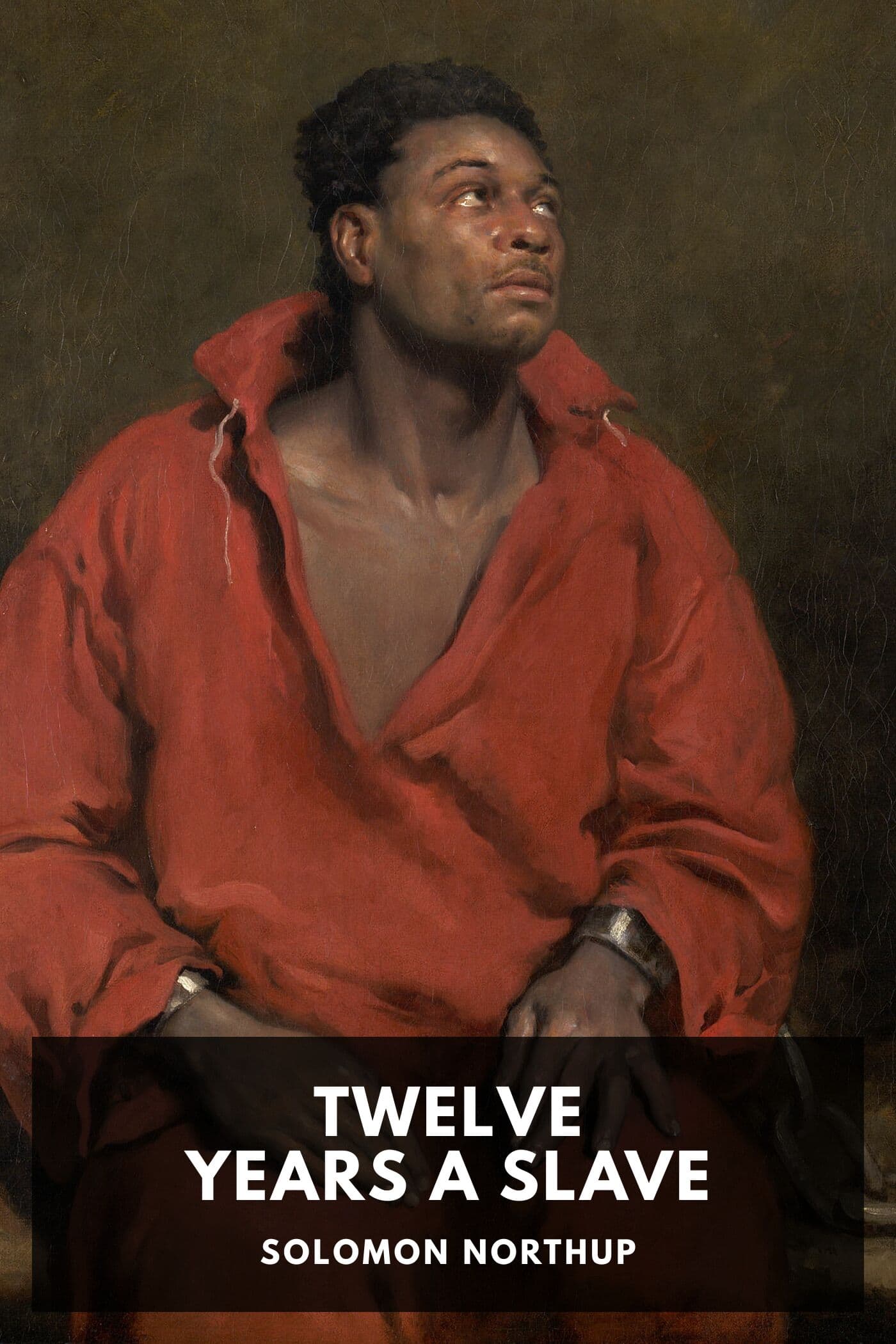
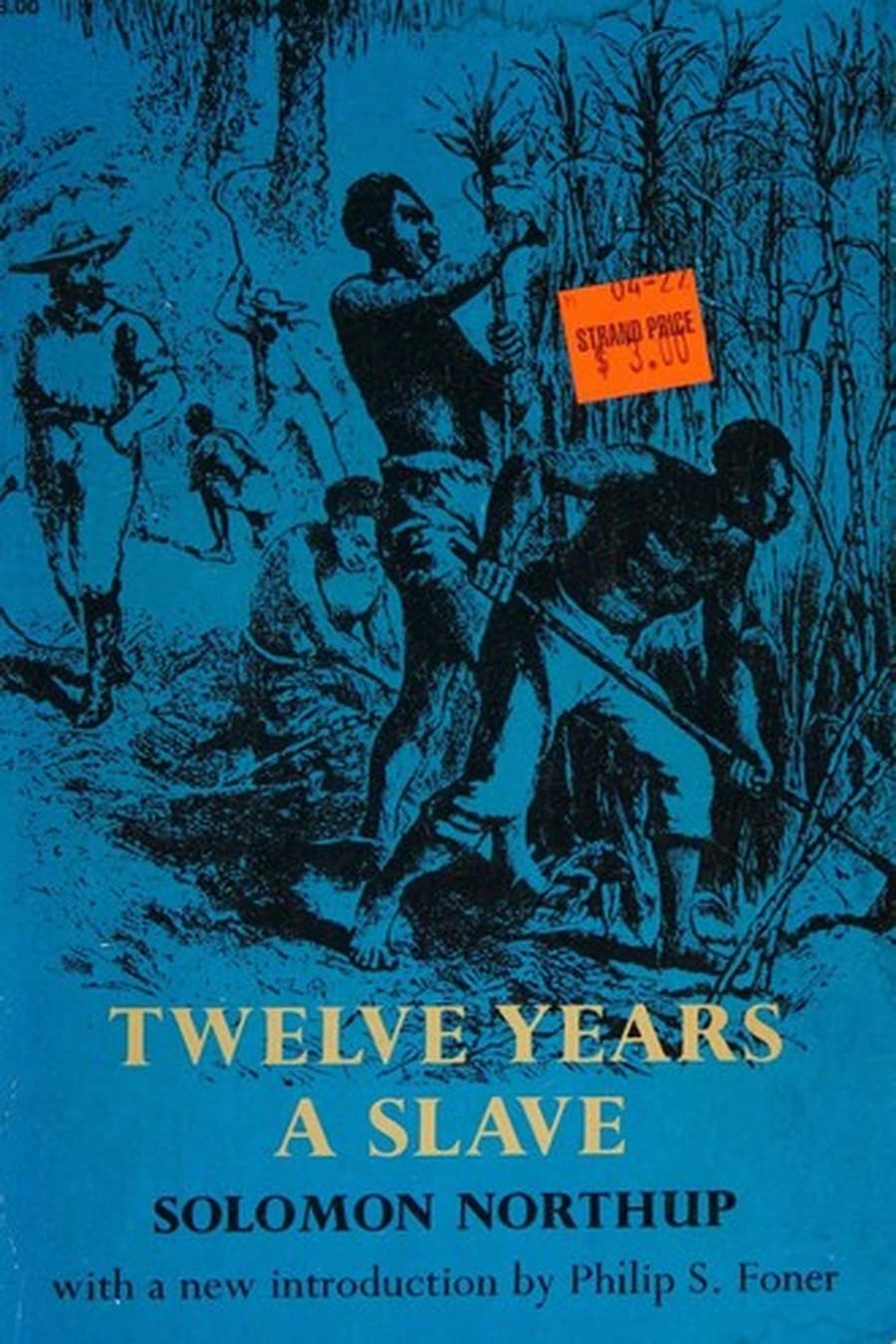
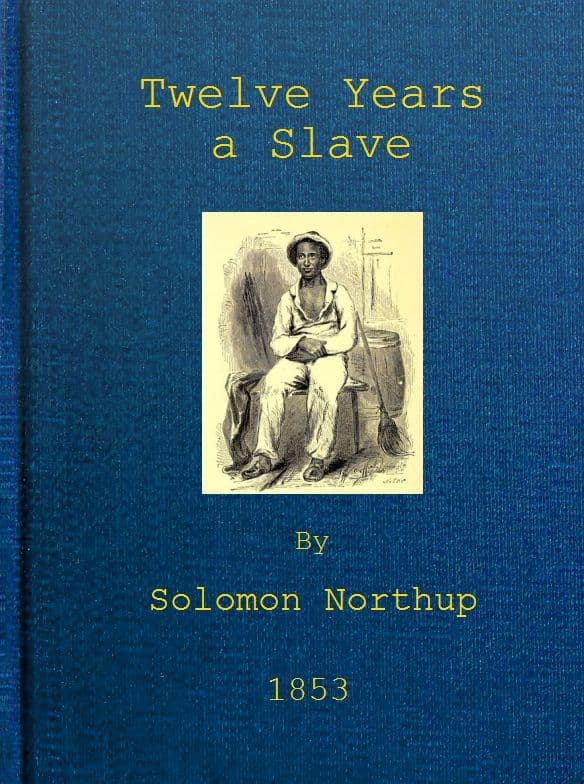
Solomon Northup was an American abolitionist and the author of the powerful memoir, "Twelve Years a Slave." Born free in New York to a mixed-race family, he led a life as a farmer, landowner, and professional violinist until his life took a harrowing turn in 1841. Lured by a job offer, Northup was kidnapped in Washington, D.C., where slavery was legal, and sold into bondage in Louisiana. For nearly twelve years, he endured the brutal realities of slavery in the Red River region, until he met Samuel Bass, a Canadian carpenter who helped him communicate with his family back in New York. With their assistance, Northup regained his freedom in 1853, but not without facing significant legal hurdles and the grim reality that his kidnappers faced no justice. Upon regaining his freedom, Northup published "Twelve Years a Slave," a memoir that vividly recounts his experiences and serves as a crucial document in the abolitionist movement. His firsthand account provided a stark and personal perspective on the horrors of slavery, influencing public opinion and contributing to the growing anti-slavery sentiment in the United States. Northup became an active lecturer, sharing his story across the Northeast to raise awareness and support for the abolitionist cause. Although he largely disappeared from historical records after 1857, his legacy endures through his memoir, which remains a significant work in American literature and history, shedding light on the brutal realities of slavery and the resilience of the human spirit.
Famous Quotes
View all 3 quotes“What difference is there in the color of the soul?”
“Life is dear to every living thing; the worm that crawls upon the ground will struggle for it.”
“There may be humane masters, as there certainly are inhuman ones—there may be slaves well-clothed, well-fed, and happy, as there surely are those half-clad, half-starved and miserable; nevertheless, the institution that tolerates such wrong and inhumanity as I have witnessed, is a cruel, unjust, and barbarous one. Men may write fictions portraying lowly life as it is, or as it is not—may expatiate with owlish gravity upon the bliss of ignorance—discourse flippantly from arm chairs of the pleasures of slave life; but let them toil with him in the field—sleep with him in the cabin—feed with him on husks; let them behold him scourged, hunted, trampled on, and they will come back with another story in their mouths. Let them know the heart of the poor slave—learn his secret thoughts—thoughts he dare not utter in the hearing of the white man; let them sit by him in the silent watches of the night—converse with him in trustful confidence, of "life, liberty, and the pursuit of happiness," and they will find that ninety-nine out of every hundred are intelligent enough to understand their situation, and to cherish in their bosoms the love of freedom, as passionately as themselves.”
Books from the author




Link to this page
Add a free, dofollow link to Lex on your blog, forum, syllabus, or reading list.

<a href="https://lex-books.com/author/solomon-northup"><img src="https://lex-books.com/badges/read-on-lex.svg" alt="Solomon Northup on Lex" width="160" height="40"></a>[](https://lex-books.com/author/solomon-northup)[url=https://lex-books.com/author/solomon-northup][img]https://lex-books.com/badges/read-on-lex.svg[/img][/url]Solomon Northup on Lex: https://lex-books.com/author/solomon-northup