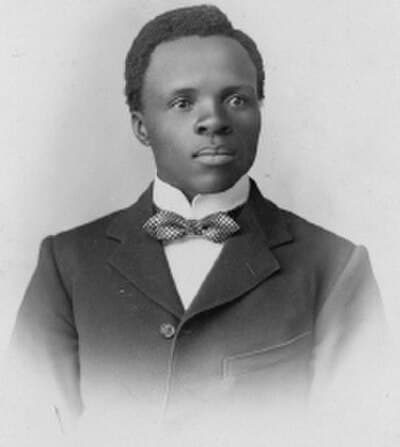
Sol. T. Plaatje
Sol T. Plaatje was a South African writer, journalist, and political activist, recognized as one of the first black South Africans to gain international prominence through his literary work. Born in the small town of Kimberley, Plaatje was a member of the Tswana people and received a formal education that allowed him to become fluent in multiple languages, including English and Afrikaans. His most notable work, 'Mhudi,' published in 1930, is often regarded as the first novel written in English by a black South African. The novel, which tells the story of a Tswana couple during the time of the Mfecane, is significant not only for its narrative but also for its exploration of indigenous culture and history, challenging colonial narratives prevalent at the time. Plaatje's contributions extended beyond fiction; he was a prominent advocate for the rights of black South Africans and a founding member of the African National Congress (ANC). His journalism and political writings, including 'Native Life in South Africa,' highlighted the injustices faced by black South Africans under colonial rule and apartheid. Plaatje's legacy is marked by his commitment to social justice and his pioneering role in South African literature, paving the way for future generations of writers and activists. His works remain a vital part of South African literary heritage, reflecting the complexities of identity, resistance, and resilience in the face of oppression.
Famous Quotes
View all 20 quotes“There’s always a return to the ruins, only to the womb there is no return. [191]””
“One party went to far away Zimbabwe and returned with pack-oxen loaded with ivory, rhinoceros hides, lion skins and hog tusks. They reported finding a people whose women dug the mountain sides for nuggets and brittle stones, which they brought home to boil and produce a beautiful metal from which to mould bangles and ornaments of rare beauty. That was the Matebele’s first experience of gold smelting. [182]””
“That exactly is how my father and mother met and became man and wife. There were no home ceremonials, such as the seeking and obtaining of parental consent, because there were no parent; no conferences by uncles and grand-uncles, or exhortations by grandmothers and aunts; no male relatives to arrange the marriage knot, nor female relations to herald the family union, and no uncles of the bride to divide the bogadi (dowry) cattle as, of course, there were no cattle. It was a simple matter of taking each other for good and or ill with the blessing of the ‘God of Rain’. The forest was their home, the rustling trees their relations, the sky their guardian and the birds, who sealed the marriage contract with the songs, the only guests. Here they stablished their home and names it Re-Nosi (We-are-alone). [41]””
Books from the author




Link to this page
Add a free, dofollow link to Lex on your blog, forum, syllabus, or reading list.

<a href="https://lex-books.com/author/sol-t-plaatje"><img src="https://lex-books.com/badges/read-on-lex.svg" alt="Sol. T. Plaatje on Lex" width="160" height="40"></a>[](https://lex-books.com/author/sol-t-plaatje)[url=https://lex-books.com/author/sol-t-plaatje][img]https://lex-books.com/badges/read-on-lex.svg[/img][/url]Sol. T. Plaatje on Lex: https://lex-books.com/author/sol-t-plaatje