Senator Cassiodorus
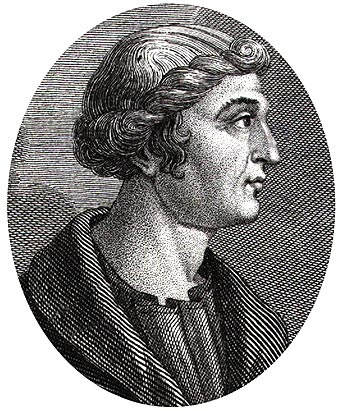
Cassiodorus was a Roman statesman and scholar who played a significant role in the preservation of classical knowledge during the tumultuous period of the early Middle Ages. Born into a prominent family around the late 5th century, he served as a senator and held various governmental positions under the Ostrogothic king Theodoric the Great. His political career was marked by a commitment to the cultural and intellectual life of his time, which he sought to protect amidst the decline of the Western Roman Empire. Among his notable works, 'The Letters of Cassiodorus' stands out as a vital source of information about the administrative practices and societal issues of his era. This collection of letters reflects his deep engagement with the challenges of governance and the importance of education, as he advocated for the preservation of classical texts and the promotion of learning. Cassiodorus's efforts in establishing monastic schools and promoting the copying of manuscripts were crucial in safeguarding ancient knowledge for future generations. His legacy is evident in the way he bridged the classical world with the emerging medieval culture, influencing both the intellectual landscape of his time and the development of monastic scholarship in the centuries that followed.
Books from the author


Link to this page
Add a free, dofollow link to Lex on your blog, forum, syllabus, or reading list.

<a href="https://lex-books.com/author/senator-cassiodorus"><img src="https://lex-books.com/badges/read-on-lex.svg" alt="Senator Cassiodorus on Lex" width="160" height="40"></a>[](https://lex-books.com/author/senator-cassiodorus)[url=https://lex-books.com/author/senator-cassiodorus][img]https://lex-books.com/badges/read-on-lex.svg[/img][/url]Senator Cassiodorus on Lex: https://lex-books.com/author/senator-cassiodorus