Rudolf Besier
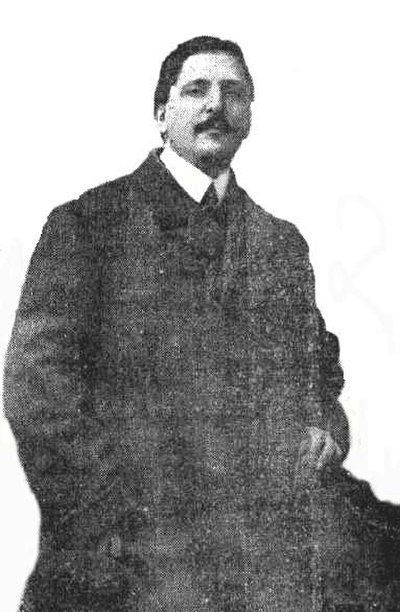
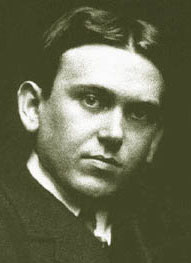
Rudolf Besier was a Dutch-English playwright and translator renowned for his contributions to early 20th-century drama. His most celebrated work, 'The Barretts of Wimpole Street' (1930), is a poignant portrayal of the romantic relationship between poet Elizabeth Barrett Browning and Robert Browning, exploring themes of love, creativity, and familial conflict. The play received critical acclaim for its emotional depth and character development, solidifying Besier's reputation in the theatrical world. In addition to his own works, Besier collaborated with notable figures such as H. G. Wells, Hugh Walpole, and May Edginton, contributing to various adaptations and dramatisations. His ability to weave intricate narratives and complex characters into his plays marked him as a significant figure in the evolution of modern drama. Despite his relatively limited output, Besier's work has left a lasting impact on the theatrical landscape, influencing subsequent generations of playwrights and enriching the genre with his unique voice.
Famous Quotes
View all 1 quotes“from The Barretts of Wimpole Street Elizabeth: Sometimes there are passages . . . which rather puzzle me. Browning: Oh, Sordello! I've done my best to forget it. However . . ( His smile fades. He mutters.) Extraordinary. . .But - but a passage torn from context . . . Elizabeth: Well? Browning: Well, Miss Barrett - when that passage was written only God and Robert Browning understood it. Now only God understands it.”
Books from the author




Link to this page
Add a free, dofollow link to Lex on your blog, forum, syllabus, or reading list.

<a href="https://lex-books.com/author/rudolf-besier"><img src="https://lex-books.com/badges/read-on-lex.svg" alt="Rudolf Besier on Lex" width="160" height="40"></a>[](https://lex-books.com/author/rudolf-besier)[url=https://lex-books.com/author/rudolf-besier][img]https://lex-books.com/badges/read-on-lex.svg[/img][/url]Rudolf Besier on Lex: https://lex-books.com/author/rudolf-besier