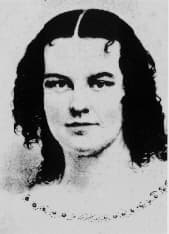
Rebecca Harding Davis
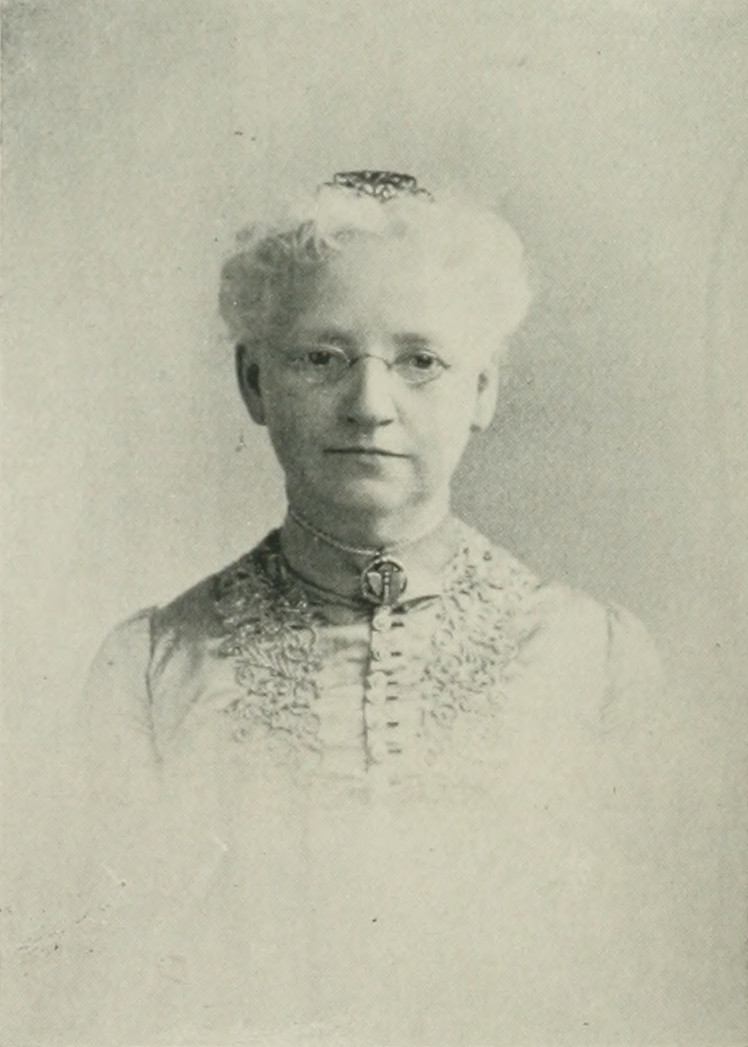
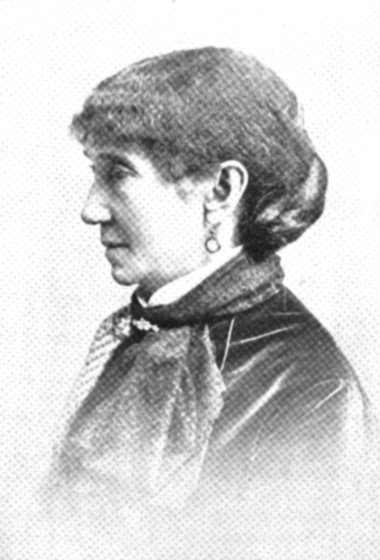
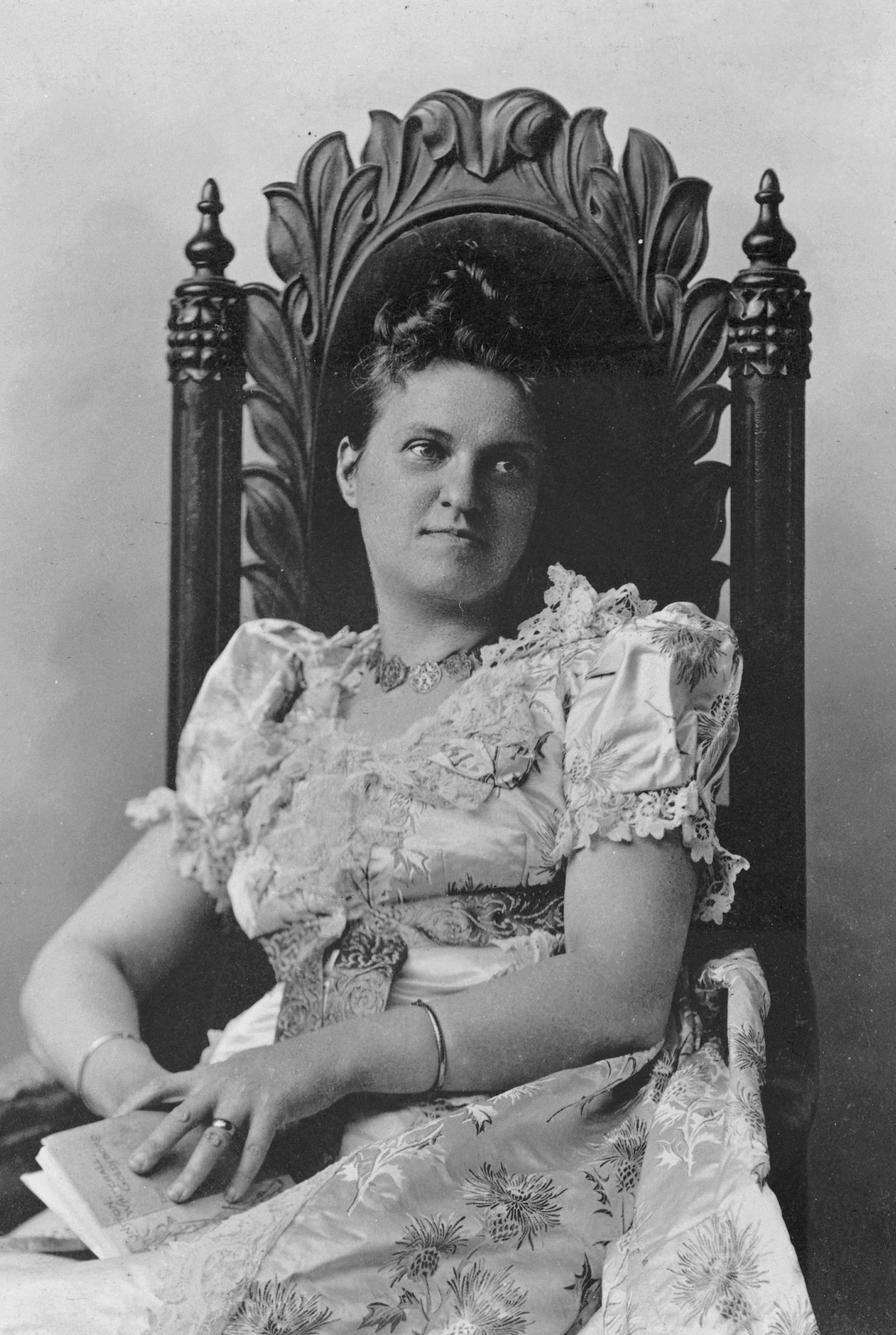
Rebecca Harding Davis was an influential American author and journalist, recognized as a pioneer of literary realism in the 19th century. Graduating as valedictorian from Washington Female Seminary in Pennsylvania, she made her mark with the groundbreaking short story "Life in the Iron-Mills," published in 1861 in The Atlantic Monthly. This work is notable for its stark portrayal of the struggles faced by the working class, particularly in the context of industrial America, and it laid the groundwork for future realist literature. Throughout her career, Davis was committed to advocating for social change, focusing on the experiences of marginalized groups, including African Americans, women, Native Americans, and immigrants. Her writings often highlighted the injustices and hardships these communities endured, making her a significant voice in American literature. Davis's contributions not only enriched the literary landscape of her time but also helped to spark conversations about social reform, cementing her legacy as a vital figure in the fight for equality and representation in literature.
Famous Quotes
View all 3 quotes“Well, what was it to be a thief? He met the question at last, face to face, wiping the clammy drops of sweat from his forehead. God made this money - the fresh air, too - for his children's use. He never made the difference between poor and rich.”
“The note is the same, I fancy, be the octave high or low.”
“Be just,—not like man's law, which seizes on one isolated fact, but like God's judging angel, whose clear, sad eye saw all the countless cankering days of this man's life.”
Books from the author




Link to this page
Add a free, dofollow link to Lex on your blog, forum, syllabus, or reading list.

<a href="https://lex-books.com/author/rebecca-harding-davis"><img src="https://lex-books.com/badges/read-on-lex.svg" alt="Rebecca Harding Davis on Lex" width="160" height="40"></a>[](https://lex-books.com/author/rebecca-harding-davis)[url=https://lex-books.com/author/rebecca-harding-davis][img]https://lex-books.com/badges/read-on-lex.svg[/img][/url]Rebecca Harding Davis on Lex: https://lex-books.com/author/rebecca-harding-davis