Pitts Sanborn
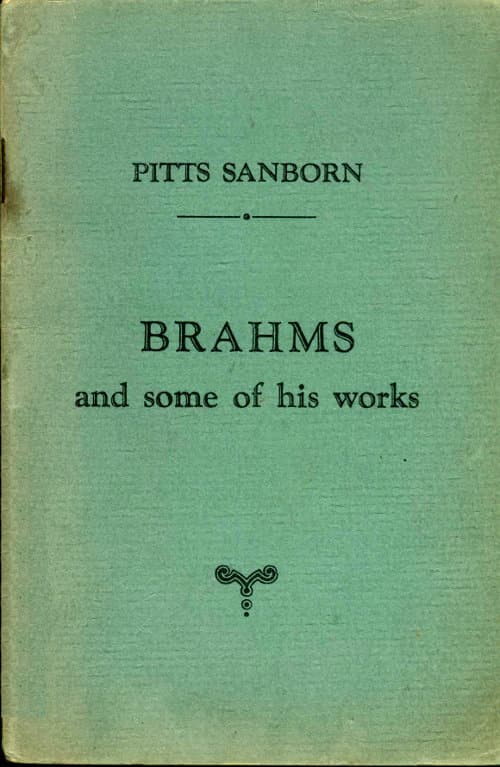
Pitts Sanborn was a notable American music critic, poet, and novelist, recognized for his contributions to the cultural landscape of the early 20th century. Born in Port Huron, Michigan, he graduated from Harvard in 1900, where he developed connections with influential figures such as Wallace Stevens and Carl Van Vechten. Sanborn began his career as a music critic, writing for prominent publications like the New York Globe and the New York World-Telegram. His keen insights into music and culture established him as a respected voice in the arts community. As a novelist, Sanborn gained acclaim for his 1929 work, "Prima Donna," which was hailed by a New York Times critic as an unprecedented achievement in American literature. This novel positioned him alongside literary giants like Willa Cather and Edith Wharton, marking him as one of the great originals of the 1920s and 1930s. His editorial role at the literary magazine Trend further solidified his influence in literary circles. Sanborn's life was intertwined with the vibrant cultural milieu of his time, and he left a lasting legacy through his writings and connections, which enriched the American literary and musical heritage. He passed away in his Greenwich Village apartment shortly after attending a performance at the Metropolitan Opera House, leaving behind a body of work that continues to be appreciated for its originality and depth.
Books from the author



Link to this page
Add a free, dofollow link to Lex on your blog, forum, syllabus, or reading list.

<a href="https://lex-books.com/author/pitts-sanborn"><img src="https://lex-books.com/badges/read-on-lex.svg" alt="Pitts Sanborn on Lex" width="160" height="40"></a>[](https://lex-books.com/author/pitts-sanborn)[url=https://lex-books.com/author/pitts-sanborn][img]https://lex-books.com/badges/read-on-lex.svg[/img][/url]Pitts Sanborn on Lex: https://lex-books.com/author/pitts-sanborn