
Paul Valéry
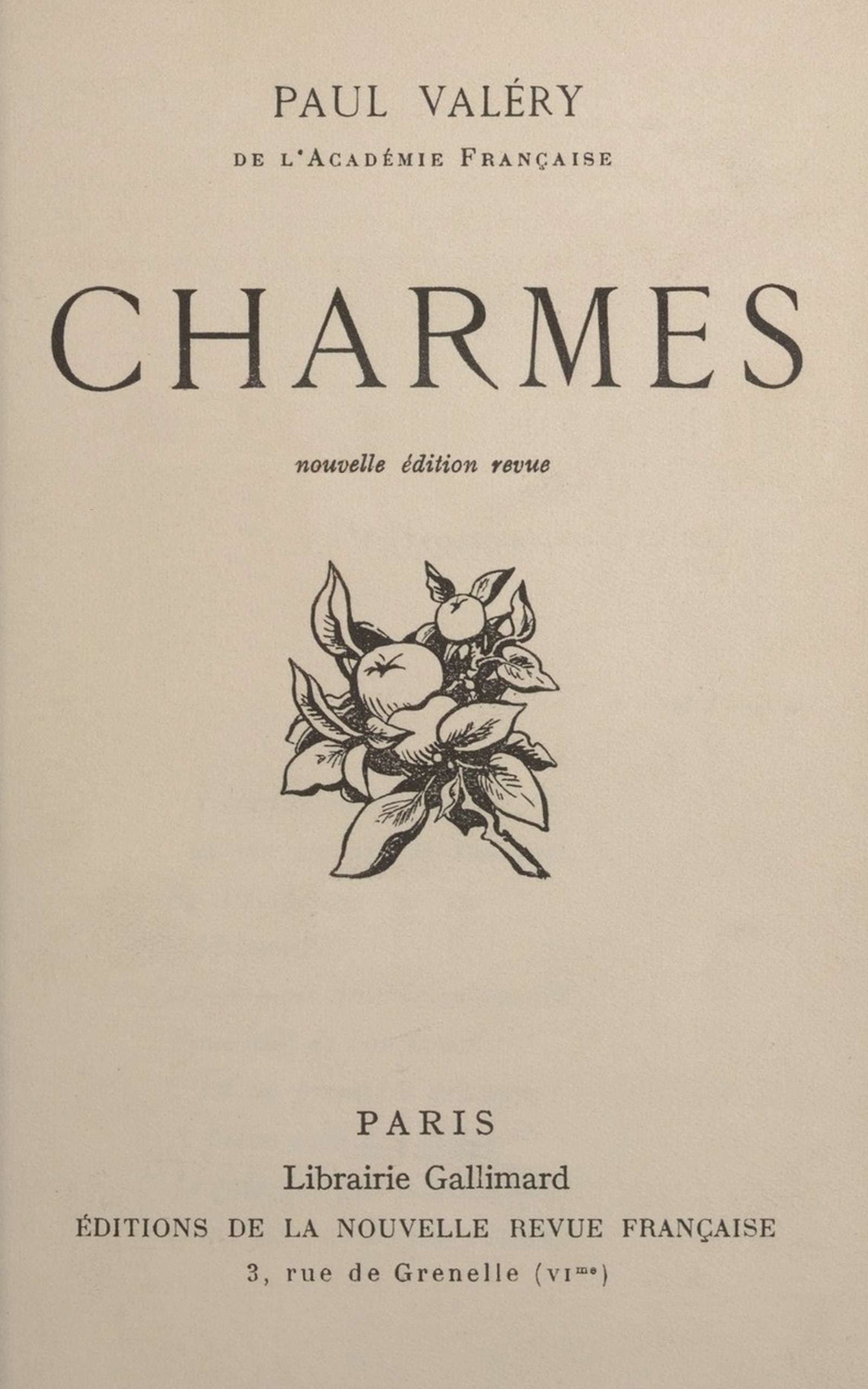
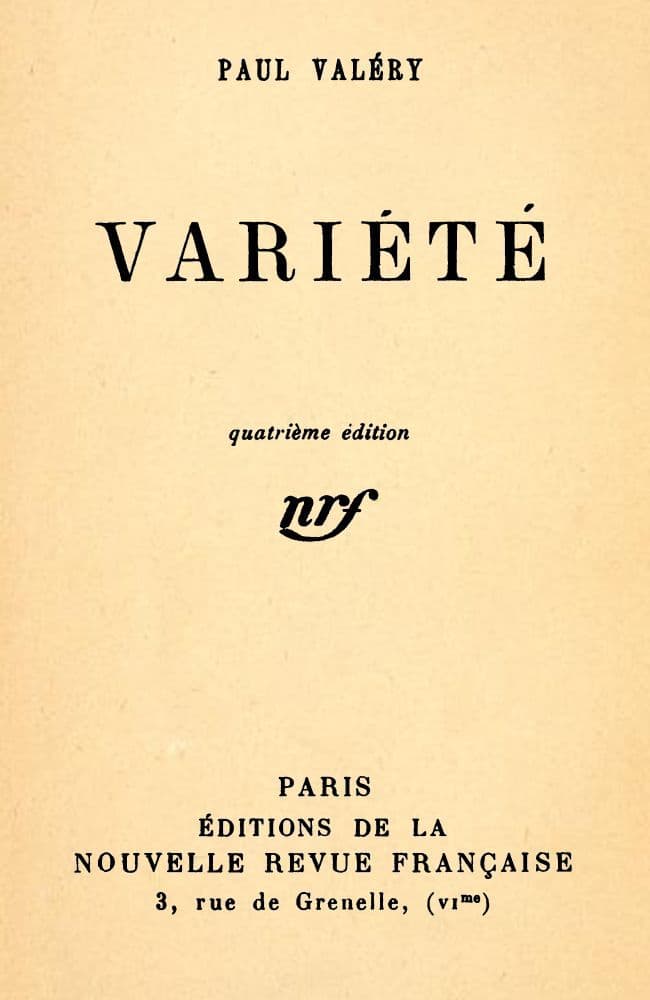
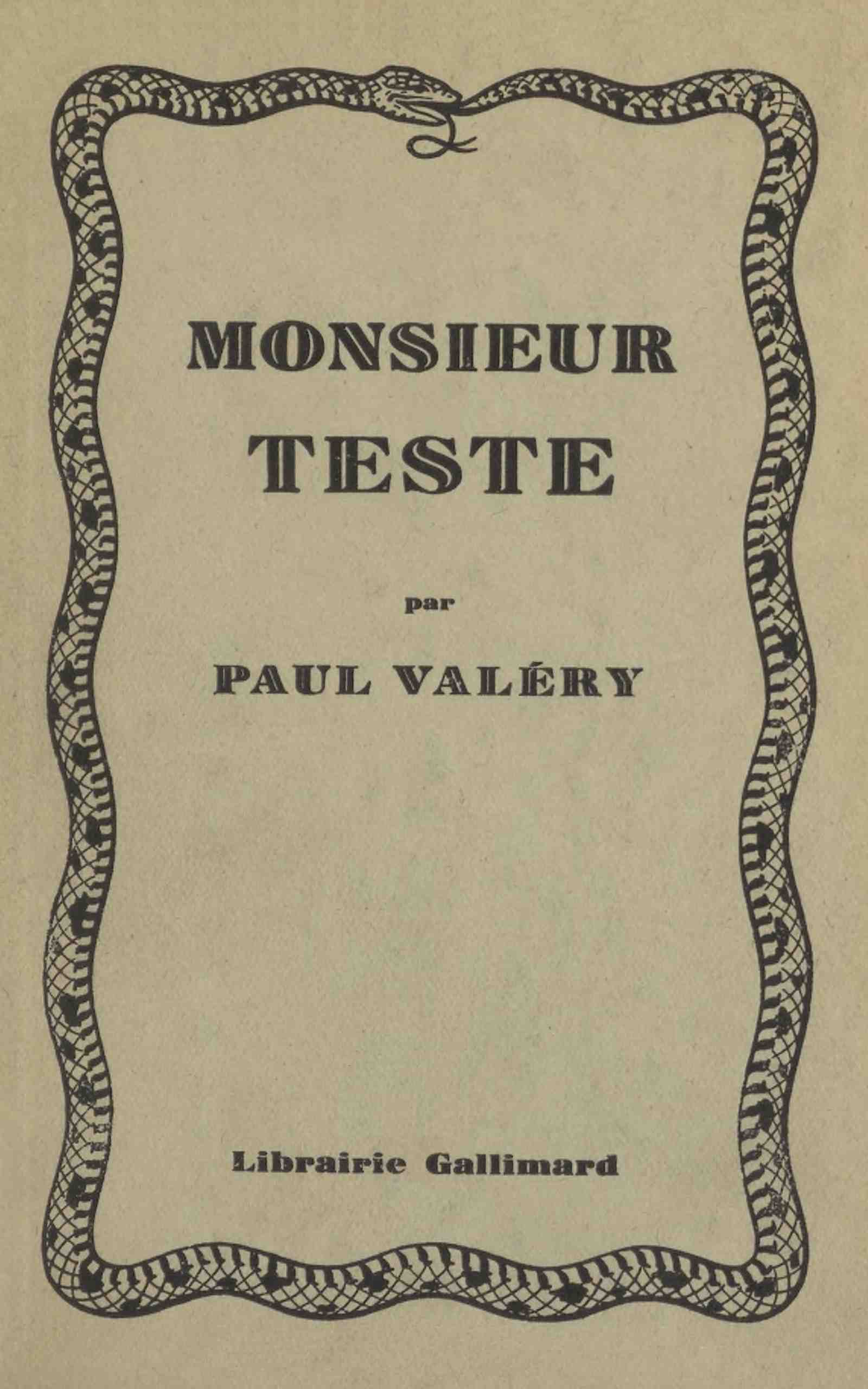
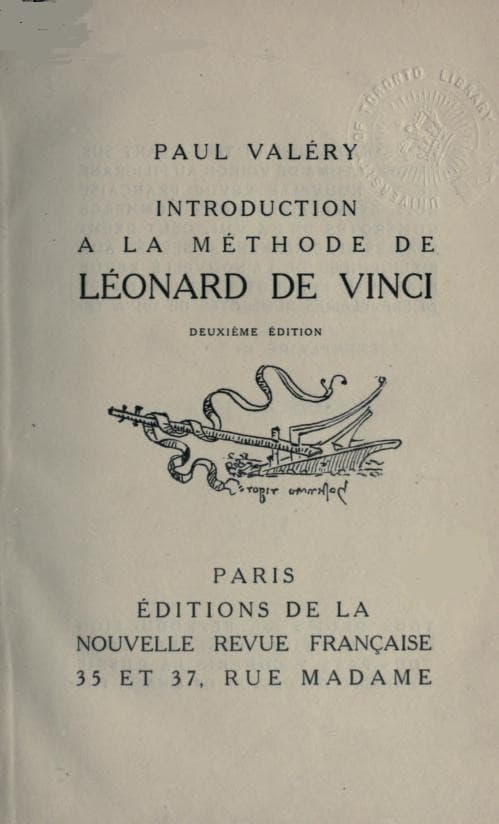
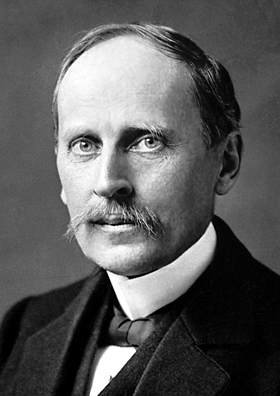
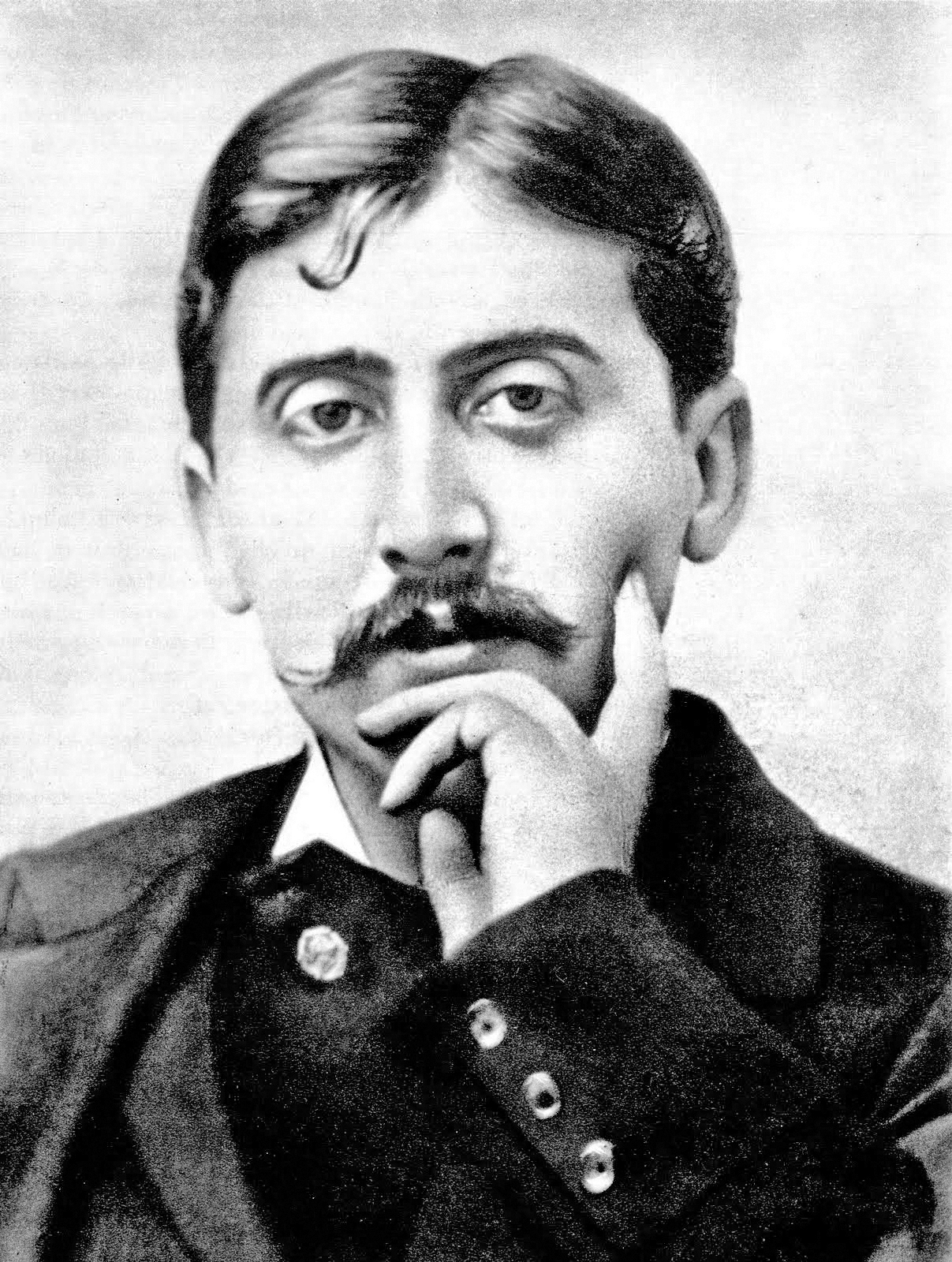
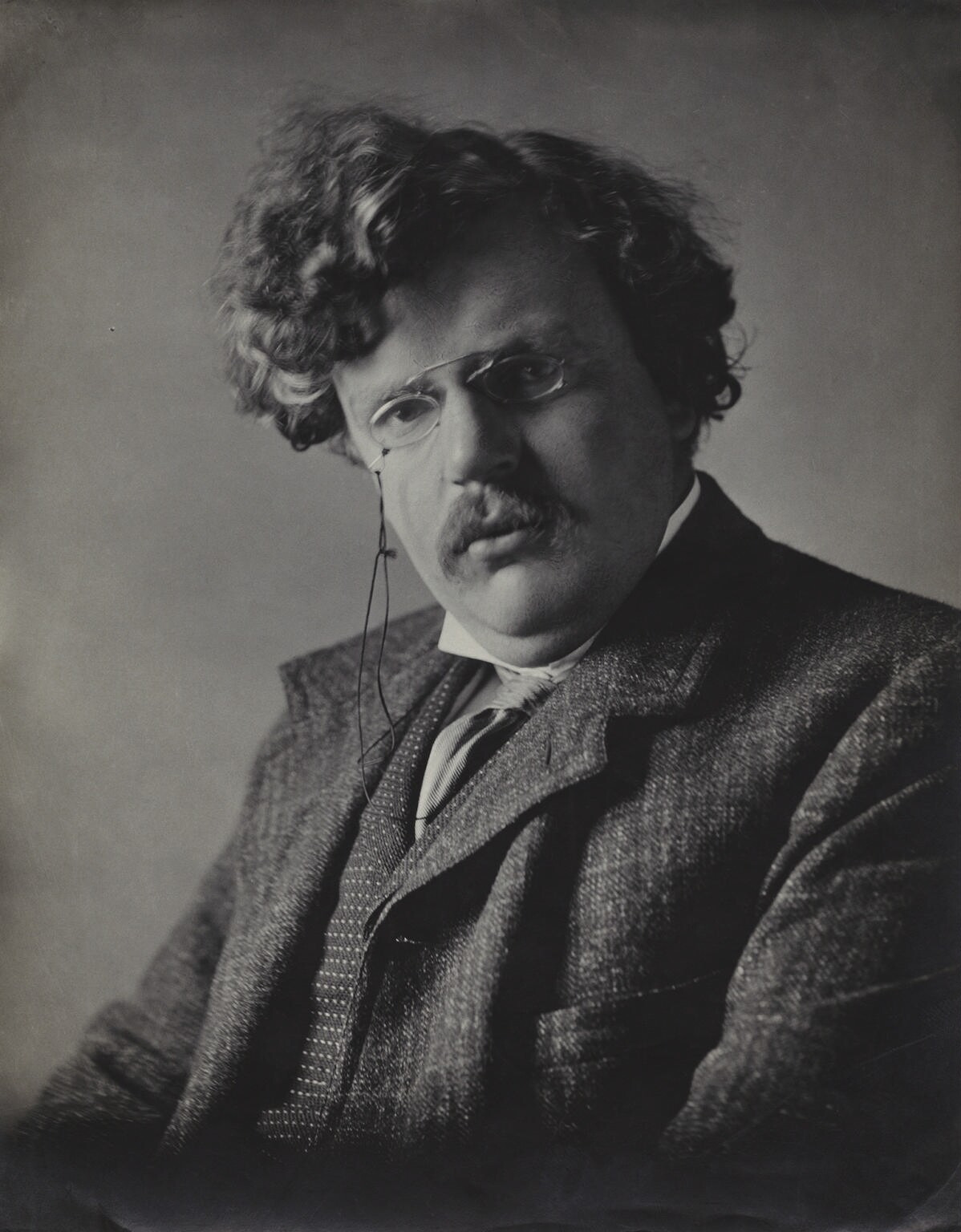
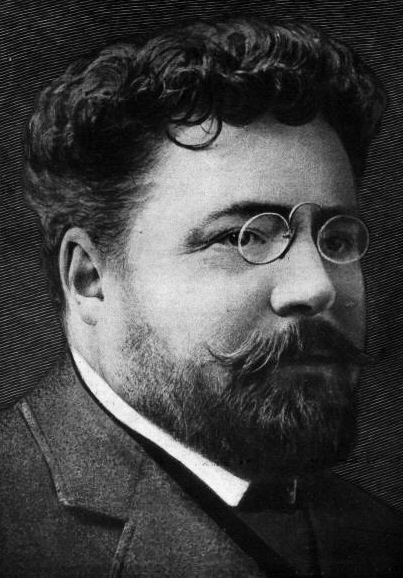
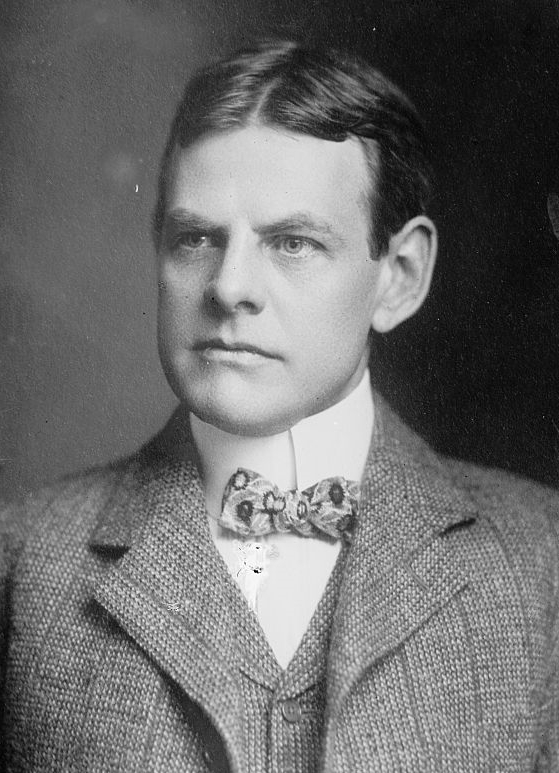
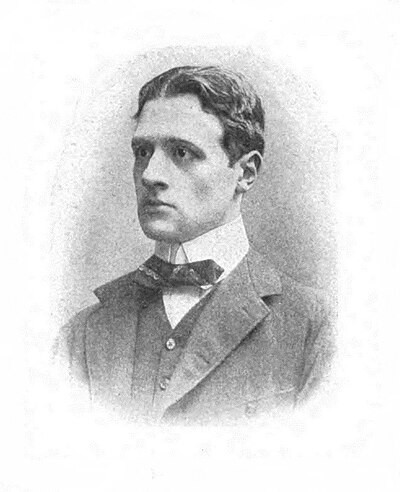
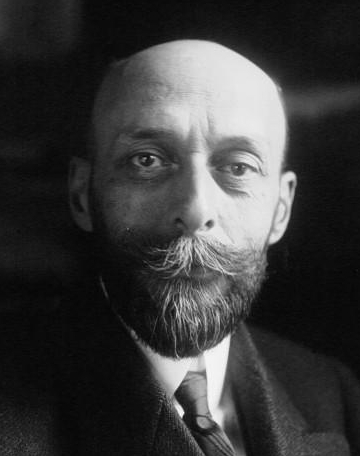
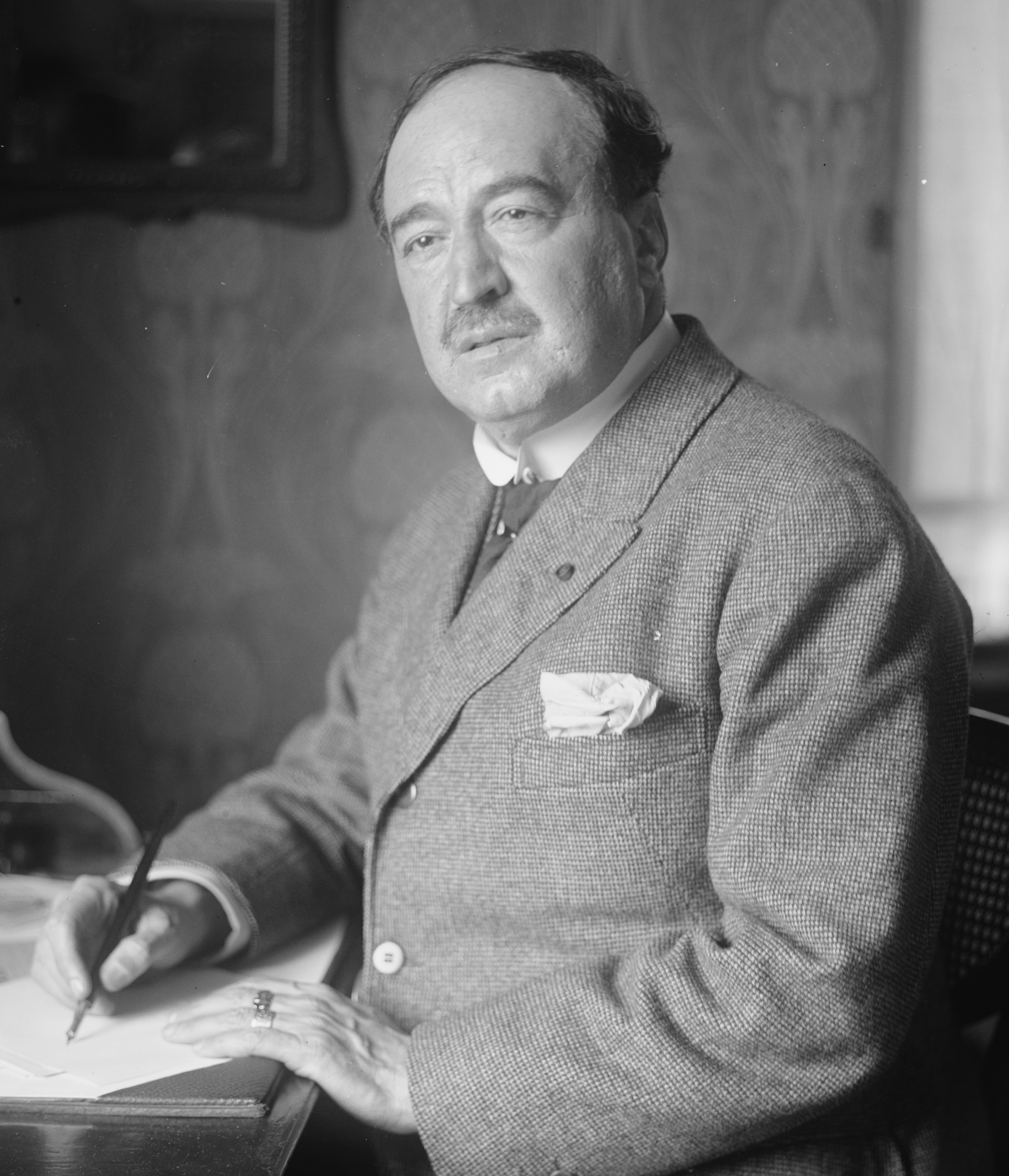
Paul Valéry was a French poet, essayist, and philosopher, known for his profound exploration of the complexities of the human mind and the nature of art. Born in a small town in southern France, Valéry initially pursued a career in law before turning to literature and philosophy, influenced by the Symbolist movement. His most famous works, such as 'Le Cimetière marin' and 'La Jeune Parque,' exhibit a mastery of form and a deep engagement with themes of existence, consciousness, and the ephemeral nature of beauty. Valéry's poetry is characterized by its meticulous craftsmanship and intellectual depth, often reflecting his fascination with the interplay between thought and language. In addition to his poetry, Valéry made significant contributions to literary criticism and philosophy, particularly through his essays and lectures. He was a prominent figure in the early 20th-century literary scene, engaging with contemporaries like André Gide and Marcel Proust. Valéry's thoughts on aesthetics and the creative process have influenced generations of writers and thinkers, establishing him as a key figure in modernist literature. His legacy endures not only through his own works but also through his impact on the development of 20th-century poetry and thought, as he grappled with the challenges of modernity and the role of the artist in society.
Famous Quotes
View all 20 quotes“Le vent se lève! . . . il faut tenter de vivre!L'air immense ouvre et referme mon livre,La vague en poudre ose jaillir des rocs!Envolez-vous, pages tout éblouies!Rompez, vagues! Rompez d'eaux réjouiesCe toit tranquille où picoraient des focs!””
“Politeness is organized indifference.””
“The best way to make your dreams come true is to wake up.””
Books from the author


Link to this page
Add a free, dofollow link to Lex on your blog, forum, syllabus, or reading list.

<a href="https://lex-books.com/author/paul-valéry"><img src="https://lex-books.com/badges/read-on-lex.svg" alt="Paul Valéry on Lex" width="160" height="40"></a>[](https://lex-books.com/author/paul-valéry)[url=https://lex-books.com/author/paul-valéry][img]https://lex-books.com/badges/read-on-lex.svg[/img][/url]Paul Valéry on Lex: https://lex-books.com/author/paul-valéry