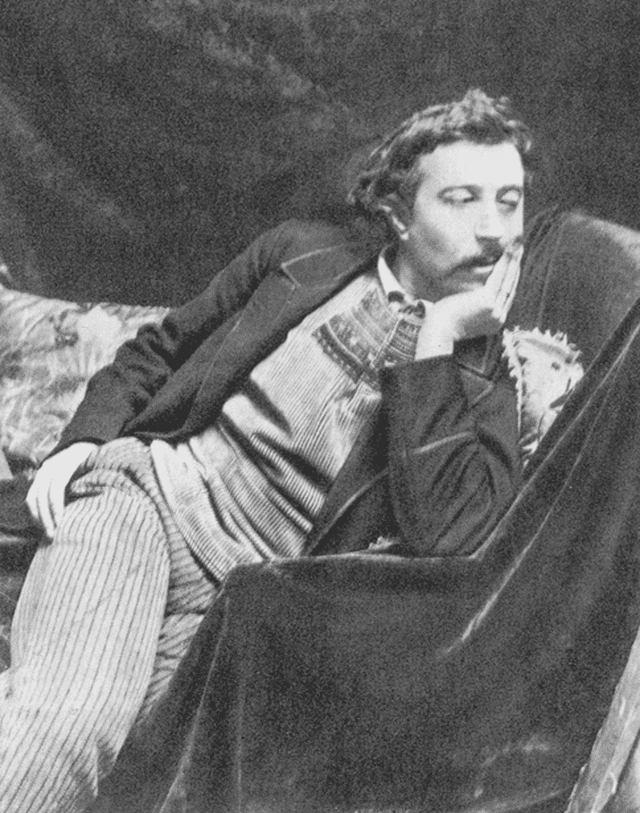
Paul Gauguin
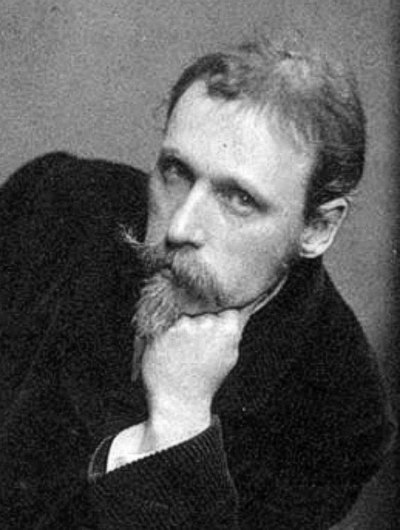
Eugène Henri Paul Gauguin was a French painter, sculptor, printmaker, ceramist, and writer, whose work became emblematic of the Post-Impressionist and Symbolist movements. Born in Paris in 1848, Gauguin spent part of his childhood in Peru, an experience that profoundly influenced his artistic vision. Initially working as a stockbroker, he began painting in his spare time, inspired by visits to galleries and the mentorship of Camille Pissarro. Although he exhibited with the Impressionists in the early 1880s, Gauguin soon diverged from their techniques, developing a unique style characterized by bold colors and symbolic content. His works often depicted native life and landscapes, particularly during his time in Brittany and the Caribbean. Gauguin's most significant transformation occurred during his years in Tahiti, where he sought solace from Western civilization. His time in the French colony allowed him to explore themes of primitivism and spirituality, culminating in masterpieces such as "Where Do We Come From? What Are We? Where Are We Going?" and "The Yellow Christ." Despite facing health issues and financial difficulties in his later years, Gauguin's innovative approach to color and form has left a lasting impact on modern art, influencing generations of artists and establishing him as a pivotal figure in the evolution of 20th-century art.
Famous Quotes
View all 3 quotes“I shut my eyes in order to see.”
“Art is either revolution or plagiarism”
“Life being what it is, one dreams of revenge.”
Books from the author

Link to this page
Add a free, dofollow link to Lex on your blog, forum, syllabus, or reading list.

<a href="https://lex-books.com/author/paul-gauguin"><img src="https://lex-books.com/badges/read-on-lex.svg" alt="Paul Gauguin on Lex" width="160" height="40"></a>[](https://lex-books.com/author/paul-gauguin)[url=https://lex-books.com/author/paul-gauguin][img]https://lex-books.com/badges/read-on-lex.svg[/img][/url]Paul Gauguin on Lex: https://lex-books.com/author/paul-gauguin