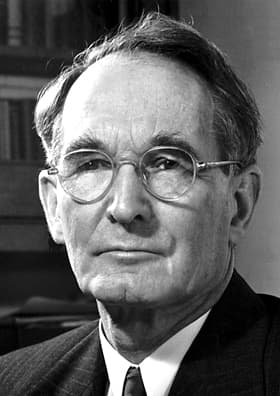
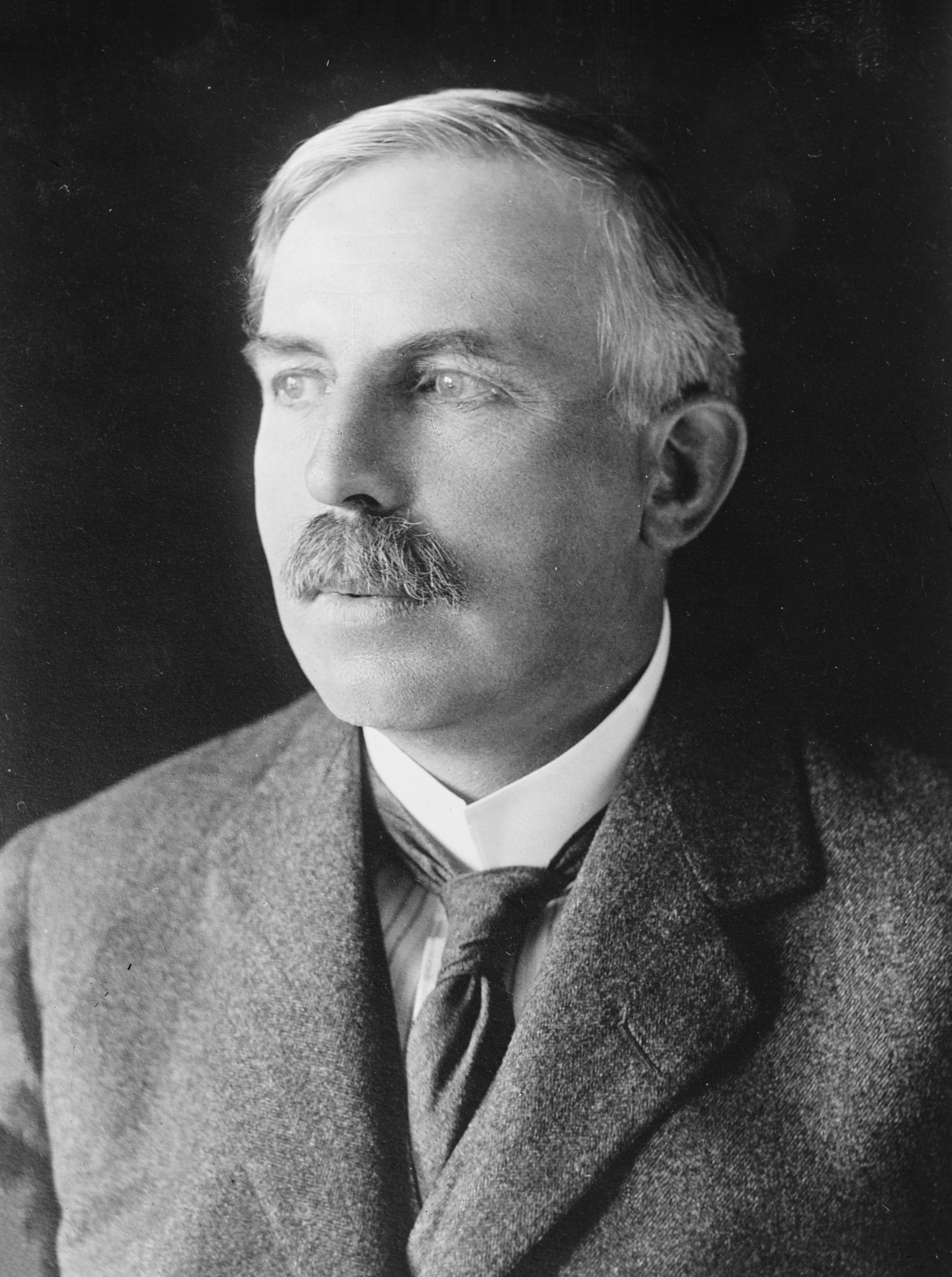
P. W. Bridgman
Percy Williams Bridgman was an American physicist who received the Nobel Prize in Physics in 1946 for his work on the physics of high pressures. He also wrote extensively on the scientific method and on other aspects of the philosophy of science. The Bridgman effect, the Bridgman–Stockbarger technique, and the high-pressure mineral bridgmanite are named after him.
Famous Quotes
View all 2 quotes“I believe it to be of particular importance that the scientist have an articulate and adequate social philosophy, even more important than the average man should have a philosophy. For there are certain aspects of the relation between science and society that the scientist can appreciate better than anyone else, and if he does not insist on this significance no one else will, with the result that the relation of science to society will become warped, to the detriment of everybody.””
“Not only are there meaningless questions, but many of the problems with which the human intellect has tortured itself turn out to be only "pseudo problems," because they can be formulated only in terms of questions which are meaningless.””
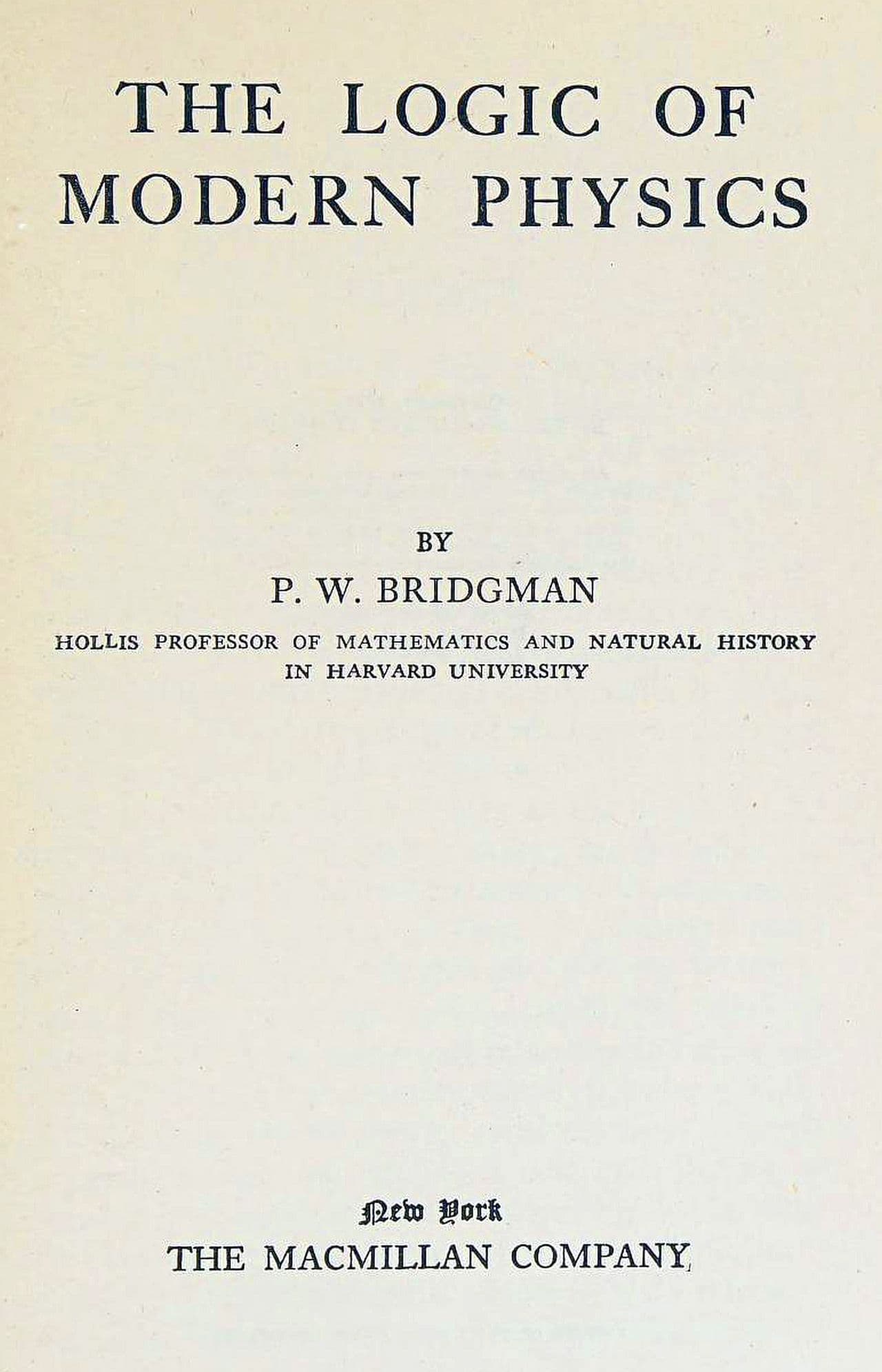
Books from the author



Link to this page
Add a free, dofollow link to Lex on your blog, forum, syllabus, or reading list.

<a href="https://lex-books.com/author/p-w-bridgman"><img src="https://lex-books.com/badges/read-on-lex.svg" alt="P. W. Bridgman on Lex" width="160" height="40"></a>[](https://lex-books.com/author/p-w-bridgman)[url=https://lex-books.com/author/p-w-bridgman][img]https://lex-books.com/badges/read-on-lex.svg[/img][/url]P. W. Bridgman on Lex: https://lex-books.com/author/p-w-bridgman