
Nathaniel Southgate Shaler
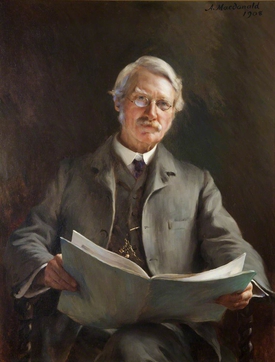
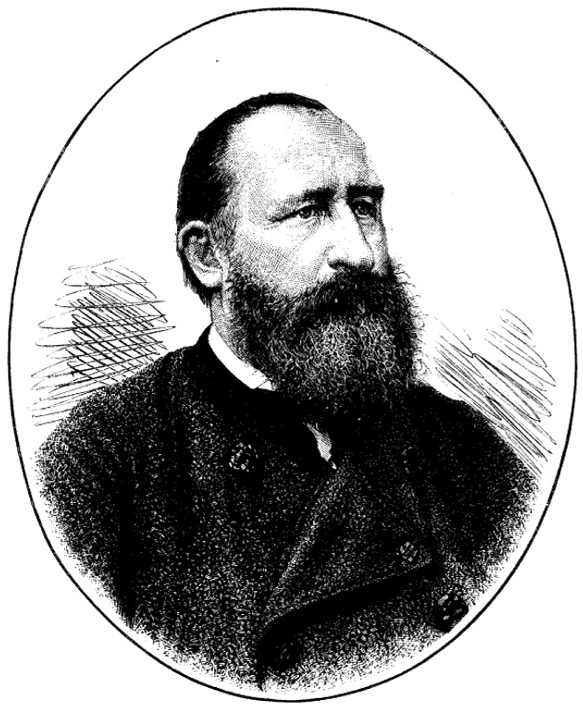
Nathaniel Southgate Shaler was an influential American paleontologist and geologist known for his extensive writings on the intersection of theology and the theory of evolution. Born in 1841, he became a prominent figure in the scientific community, particularly through his role as a professor at Harvard University, where he contributed significantly to the understanding of geological processes and Earth's history. Shaler's work often explored the implications of evolution on human society, leading him to controversial views that would later be categorized as scientific racism, a perspective that has since been widely criticized and discredited. Among his notable works are 'The Individual: A Study of Life and Death' and 'Outlines of the Earth’s History,' where he articulated his theories on evolution and its effects on humanity. Shaler's legacy is complex; while he made important contributions to geology and paleontology, his views on race and human development have sparked significant debate, prompting a reevaluation of his impact on both science and society. His writings reflect the tensions of his time, embodying the struggle between emerging scientific thought and prevailing social attitudes, which continue to resonate in discussions of race and science today.
Books from the author














Link to this page
Add a free, dofollow link to Lex on your blog, forum, syllabus, or reading list.

<a href="https://lex-books.com/author/nathaniel-southgate-shaler"><img src="https://lex-books.com/badges/read-on-lex.svg" alt="Nathaniel Southgate Shaler on Lex" width="160" height="40"></a>[](https://lex-books.com/author/nathaniel-southgate-shaler)[url=https://lex-books.com/author/nathaniel-southgate-shaler][img]https://lex-books.com/badges/read-on-lex.svg[/img][/url]Nathaniel Southgate Shaler on Lex: https://lex-books.com/author/nathaniel-southgate-shaler