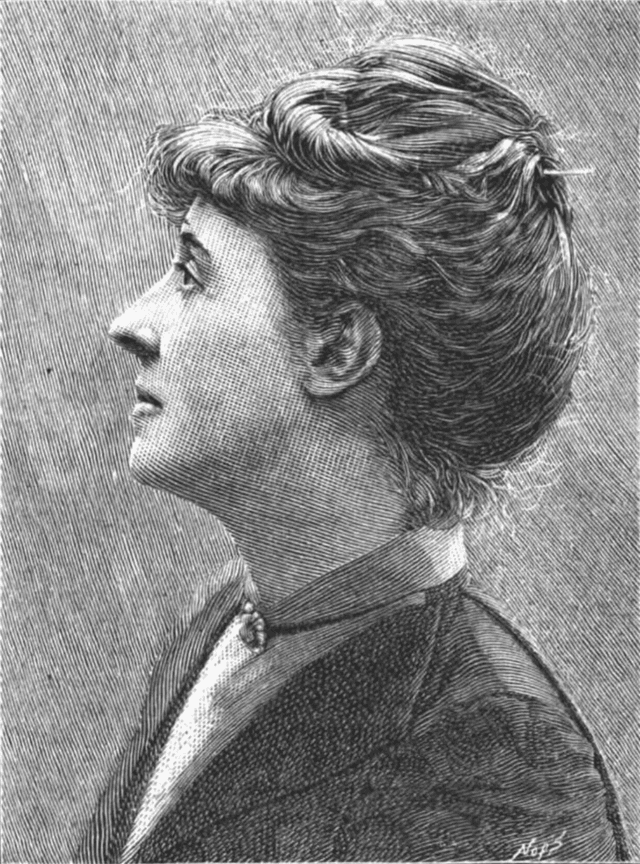
Mona Caird
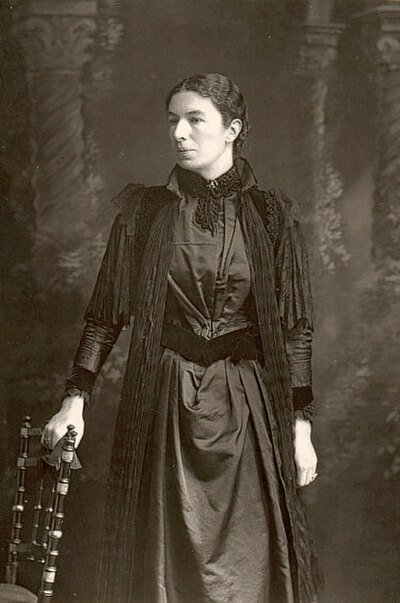
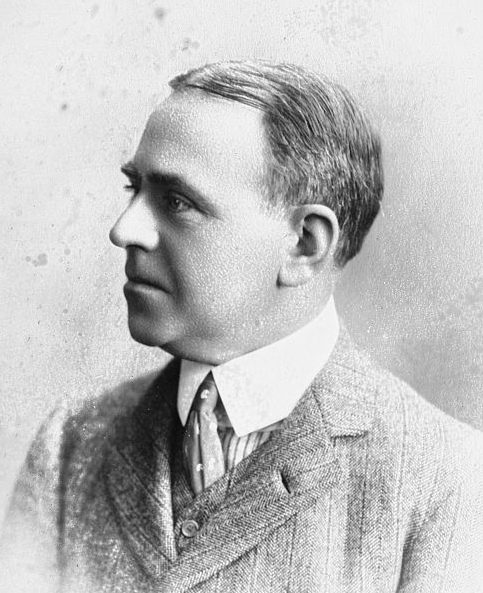
Mona Caird was an English novelist and essayist whose work significantly contributed to feminist literature in the late 19th and early 20th centuries. Her writings often challenged the societal norms of her time, advocating for women's rights and the concept of the 'New Woman,' a figure representing women's independence and self-determination. Caird's notable works include 'The Daughters of Danaus' and 'The Wing of Azrael,' both of which sparked considerable debate and controversy for their progressive views on gender roles and marriage. Through her essays and novels, she explored themes of personal freedom and social justice, positioning herself as a key voice in the feminist movement of her era. In addition to her literary contributions, Caird was an outspoken advocate for animal rights and civil liberties, reflecting her broader commitment to social reform. Her work not only influenced contemporary feminist thought but also laid the groundwork for future discussions on women's autonomy and societal expectations. Caird's legacy endures as a pioneering figure who used her writing as a platform for advocacy, making her an important part of the literary and social history of her time.
Famous Quotes
View all 2 quotes“The world is full of tragedy; and sympathy, a little common sympathy, can do so much to soften the worst of grief. It is for the lack of that, that people despair and go down.”
“We are governed not by armies and police but by ideas.”
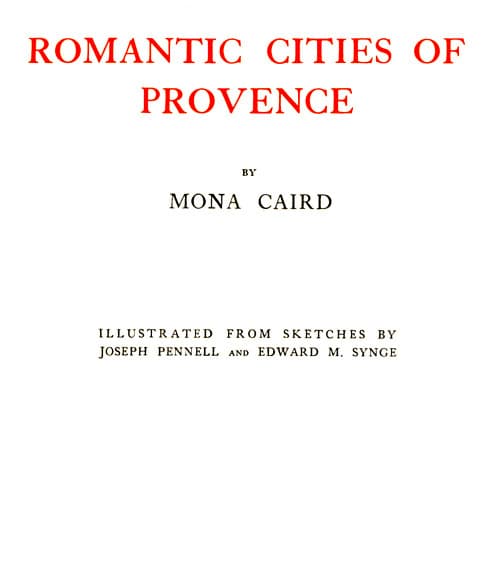
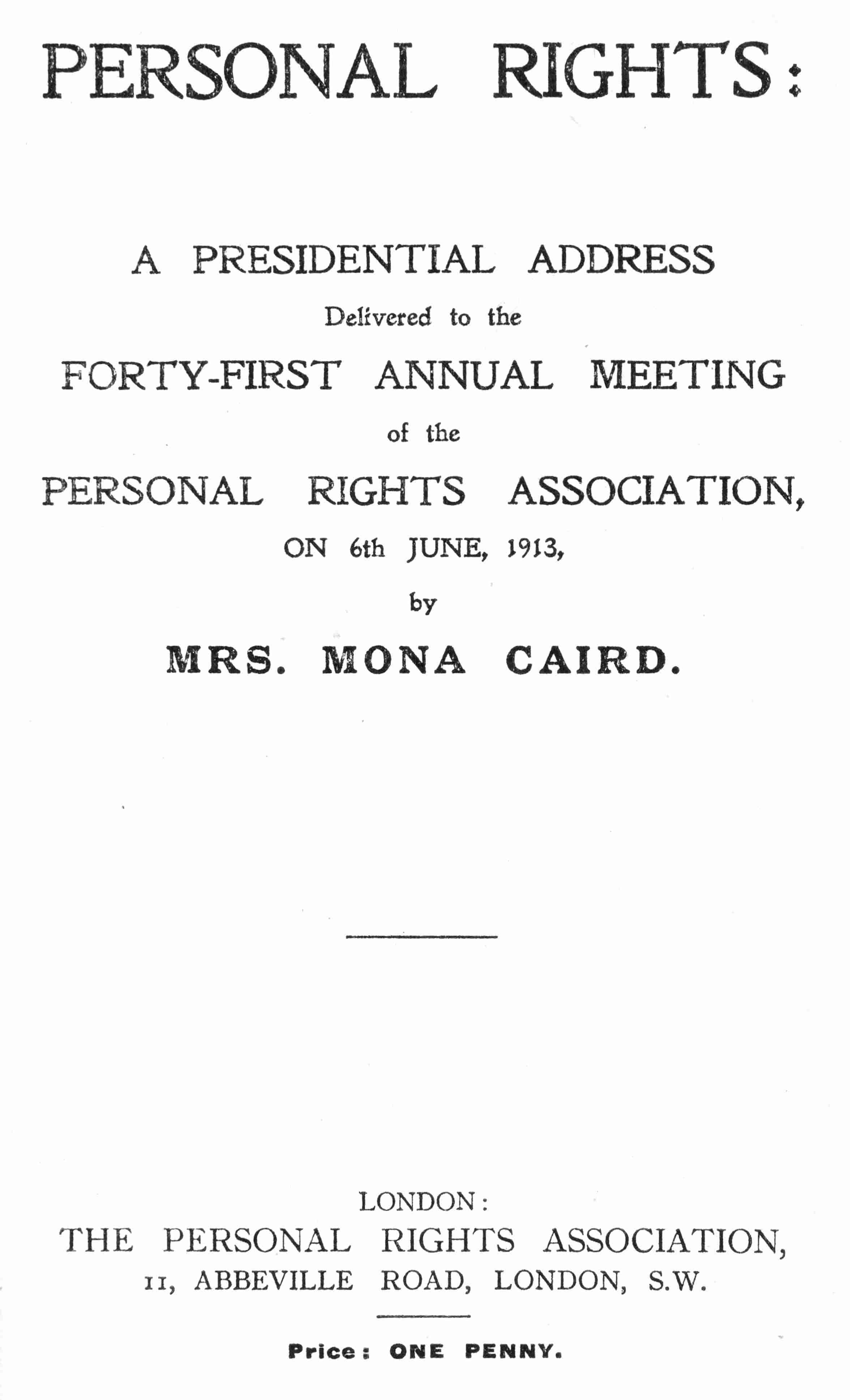
Books from the author







Link to this page
Add a free, dofollow link to Lex on your blog, forum, syllabus, or reading list.

<a href="https://lex-books.com/author/mona-caird"><img src="https://lex-books.com/badges/read-on-lex.svg" alt="Mona Caird on Lex" width="160" height="40"></a>[](https://lex-books.com/author/mona-caird)[url=https://lex-books.com/author/mona-caird][img]https://lex-books.com/badges/read-on-lex.svg[/img][/url]Mona Caird on Lex: https://lex-books.com/author/mona-caird