Miklós, báró Jósika
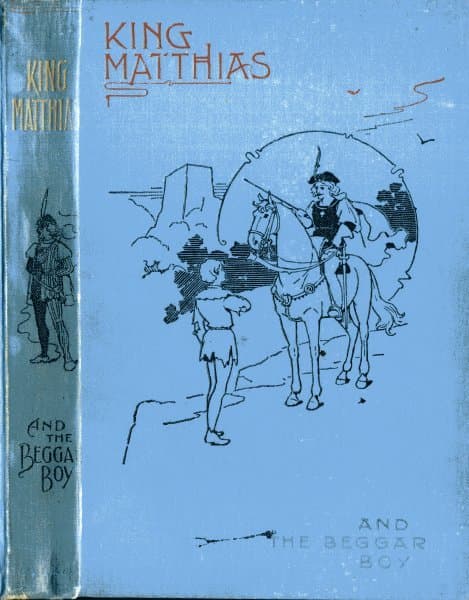
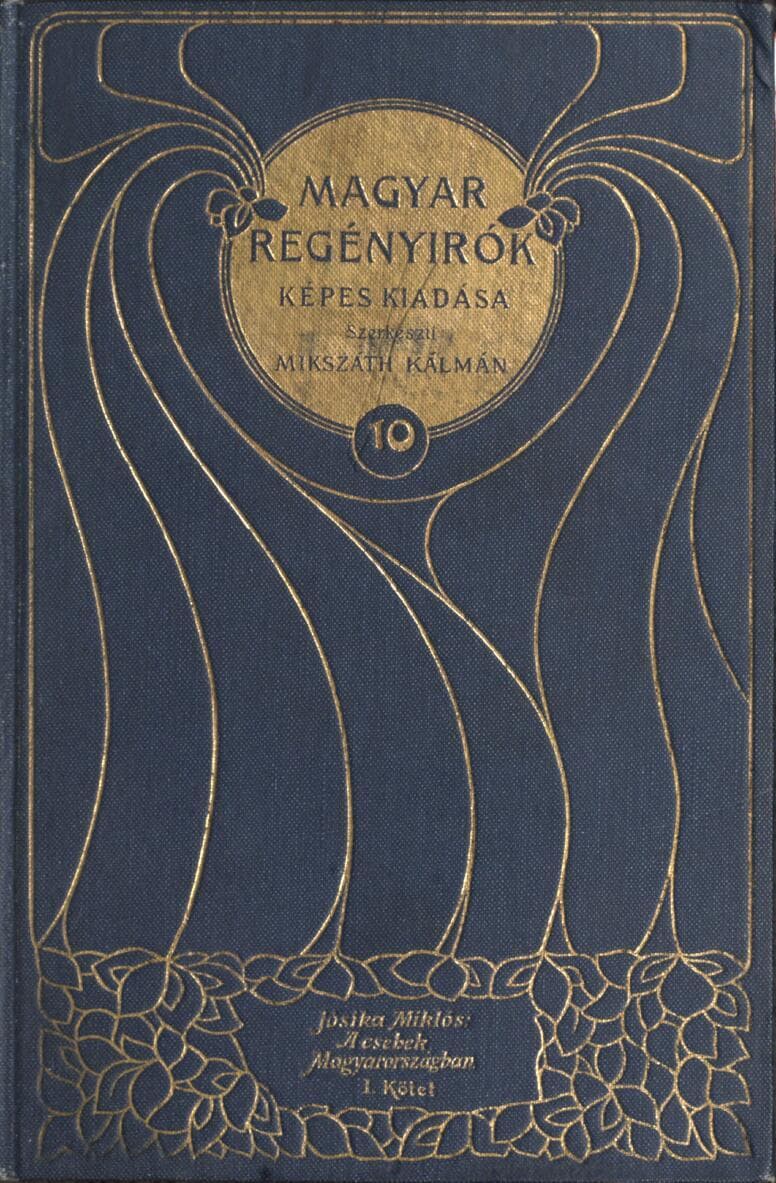
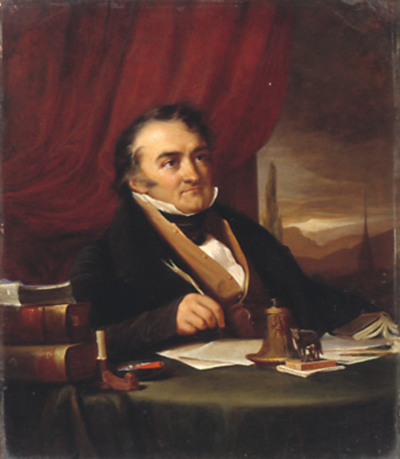
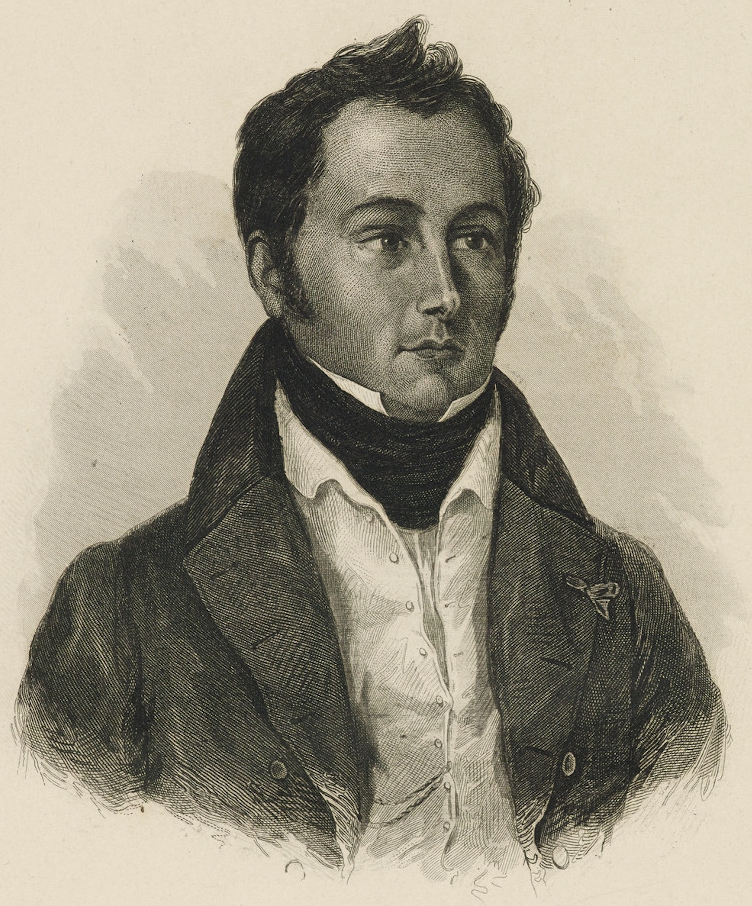
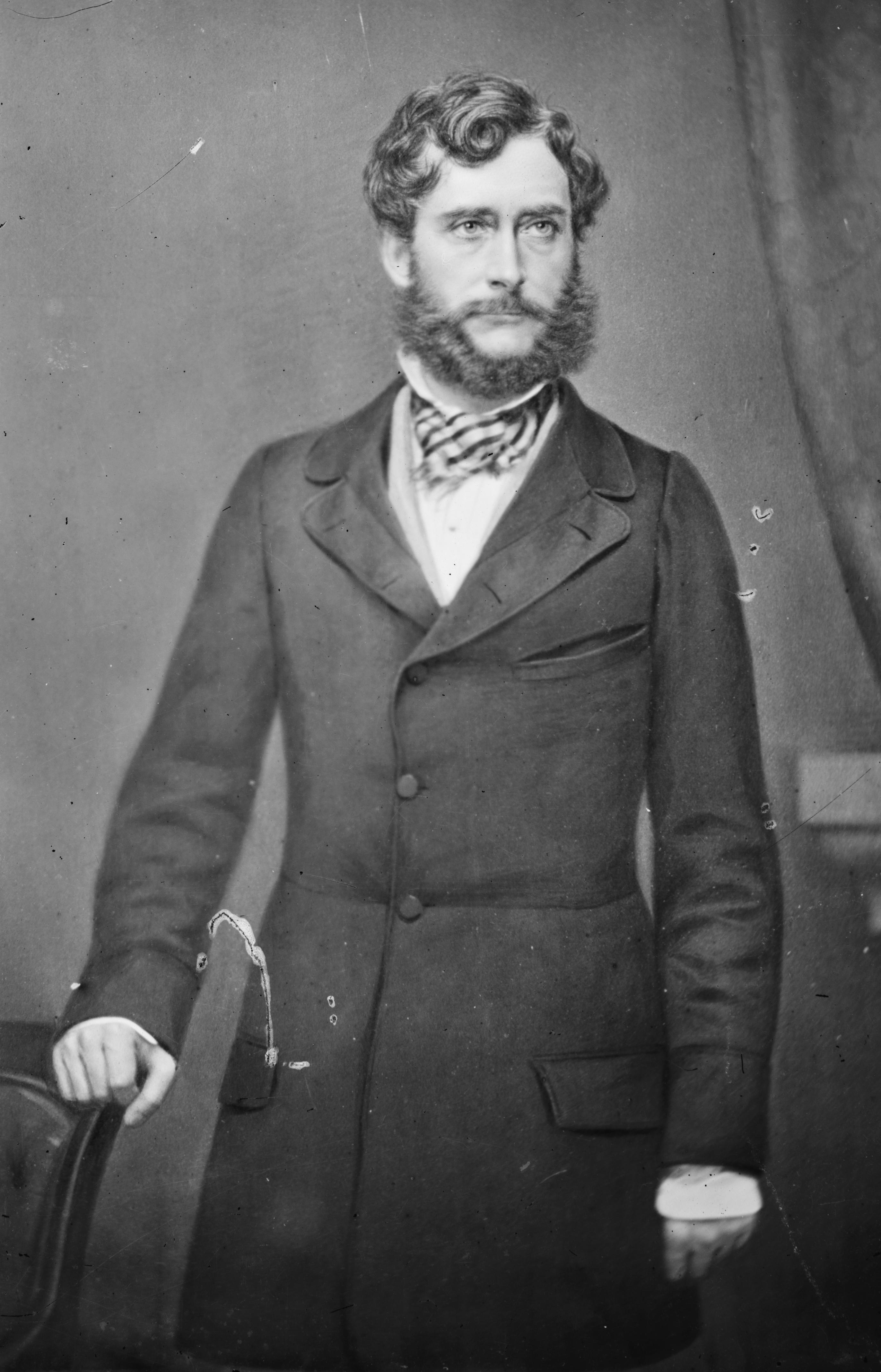
Miklós Jósika, a prominent Hungarian novelist and baron, made significant contributions to 19th-century literature with his historical novels that often explored themes of national identity and cultural heritage. Born in the late 18th century, Jósika's works reflect a deep engagement with Hungary's past, particularly during the reign of King Matthias Corvinus. His notable novels, such as 'Neath the Hoof of the Tartar; Or, The Scourge of God' and 'King Matthias and the Beggar Boy,' showcase his ability to weave intricate narratives that blend history with fiction, bringing to life the struggles and triumphs of his characters against the backdrop of significant historical events. Jósika's writing is characterized by its vivid descriptions and a strong sense of place, which helped to establish a Hungarian literary tradition during a time of national awakening. His two-volume work 'A Csehek Magyarországban' provides a detailed portrayal of the Czech presence in Hungary during the reign of Matthias, emphasizing the interconnectedness of the region's histories. Through his historical narratives, Jósika not only entertained readers but also fostered a sense of national pride and identity, making him a key figure in the development of Hungarian literature. His legacy endures as a foundational voice in the exploration of Hungary's rich cultural tapestry.
Books from the author





Link to this page
Add a free, dofollow link to Lex on your blog, forum, syllabus, or reading list.

<a href="https://lex-books.com/author/miklós-báró-jósika"><img src="https://lex-books.com/badges/read-on-lex.svg" alt="Miklós, báró Jósika on Lex" width="160" height="40"></a>[](https://lex-books.com/author/miklós-báró-jósika)[url=https://lex-books.com/author/miklós-báró-jósika][img]https://lex-books.com/badges/read-on-lex.svg[/img][/url]Miklós, báró Jósika on Lex: https://lex-books.com/author/miklós-báró-jósika