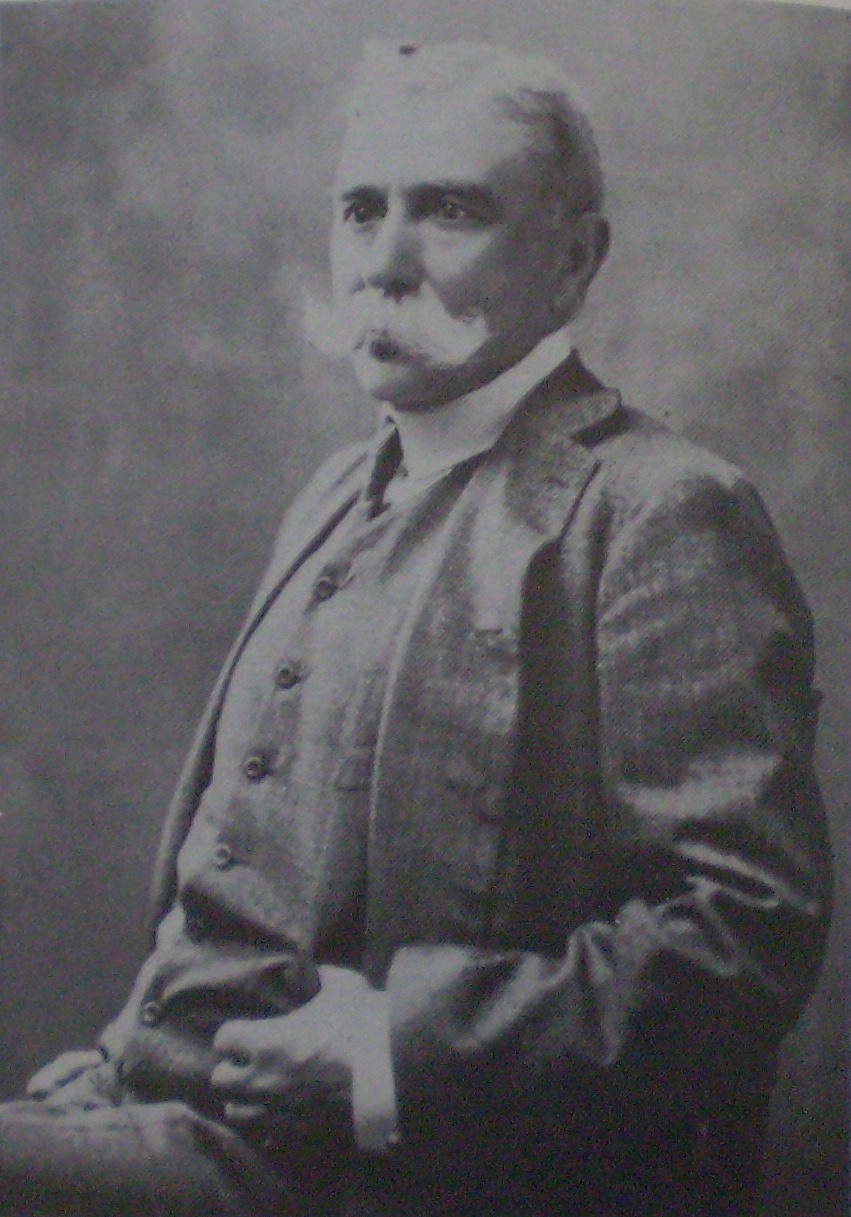
Miguel Cané
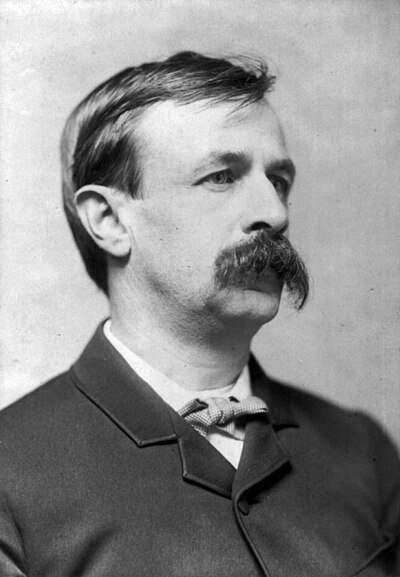
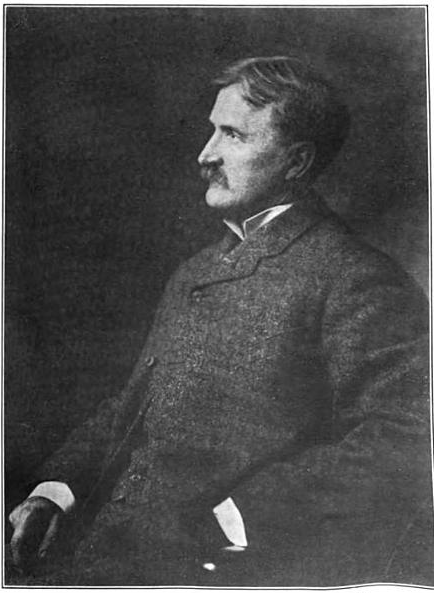
Miguel Cané was an Argentine writer and politician, known for his significant contributions to literature during the late 19th century. Born in Buenos Aires, he was part of a burgeoning literary scene that sought to define Argentine identity in the wake of independence. Cané's most notable work, 'El Fausto,' is a novel that explores the complexities of human nature and societal norms through the lens of a Faustian bargain. His writing is characterized by its rich narrative style and keen observations of contemporary life, making him a pivotal figure in the development of Argentine literature. In addition to his fiction, Cané was also a prominent journalist and served as a diplomat, which allowed him to engage with various cultural and political movements of his time. His literary legacy is marked by his ability to blend personal experiences with broader social themes, influencing future generations of writers in Argentina and beyond. Cané's works remain significant for their exploration of identity, morality, and the human condition, securing his place as a key figure in the literary canon of Latin America.
Books from the author




Link to this page
Add a free, dofollow link to Lex on your blog, forum, syllabus, or reading list.

<a href="https://lex-books.com/author/miguel-cané"><img src="https://lex-books.com/badges/read-on-lex.svg" alt="Miguel Cané on Lex" width="160" height="40"></a>[](https://lex-books.com/author/miguel-cané)[url=https://lex-books.com/author/miguel-cané][img]https://lex-books.com/badges/read-on-lex.svg[/img][/url]Miguel Cané on Lex: https://lex-books.com/author/miguel-cané