Michel Zévaco
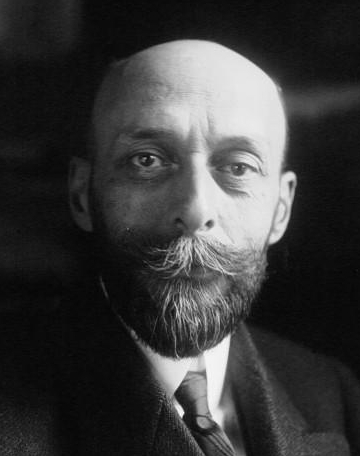
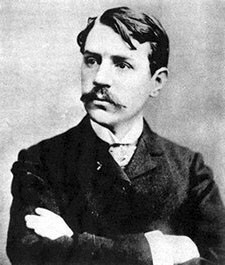
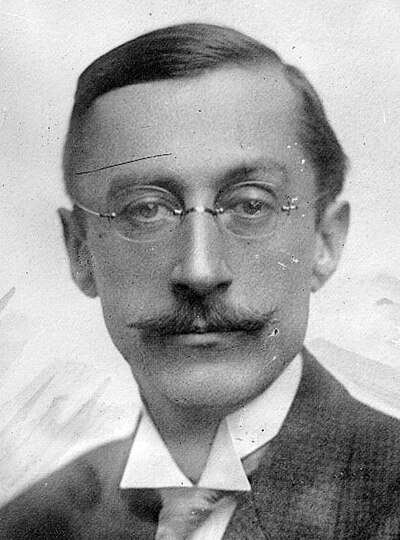
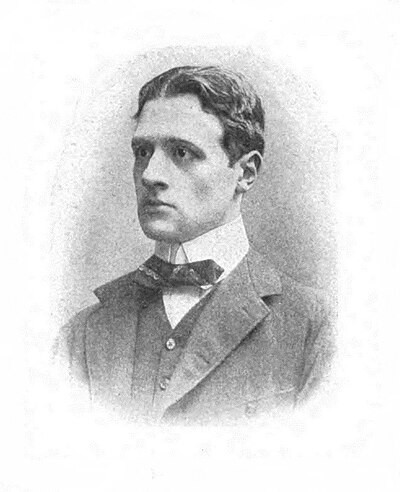
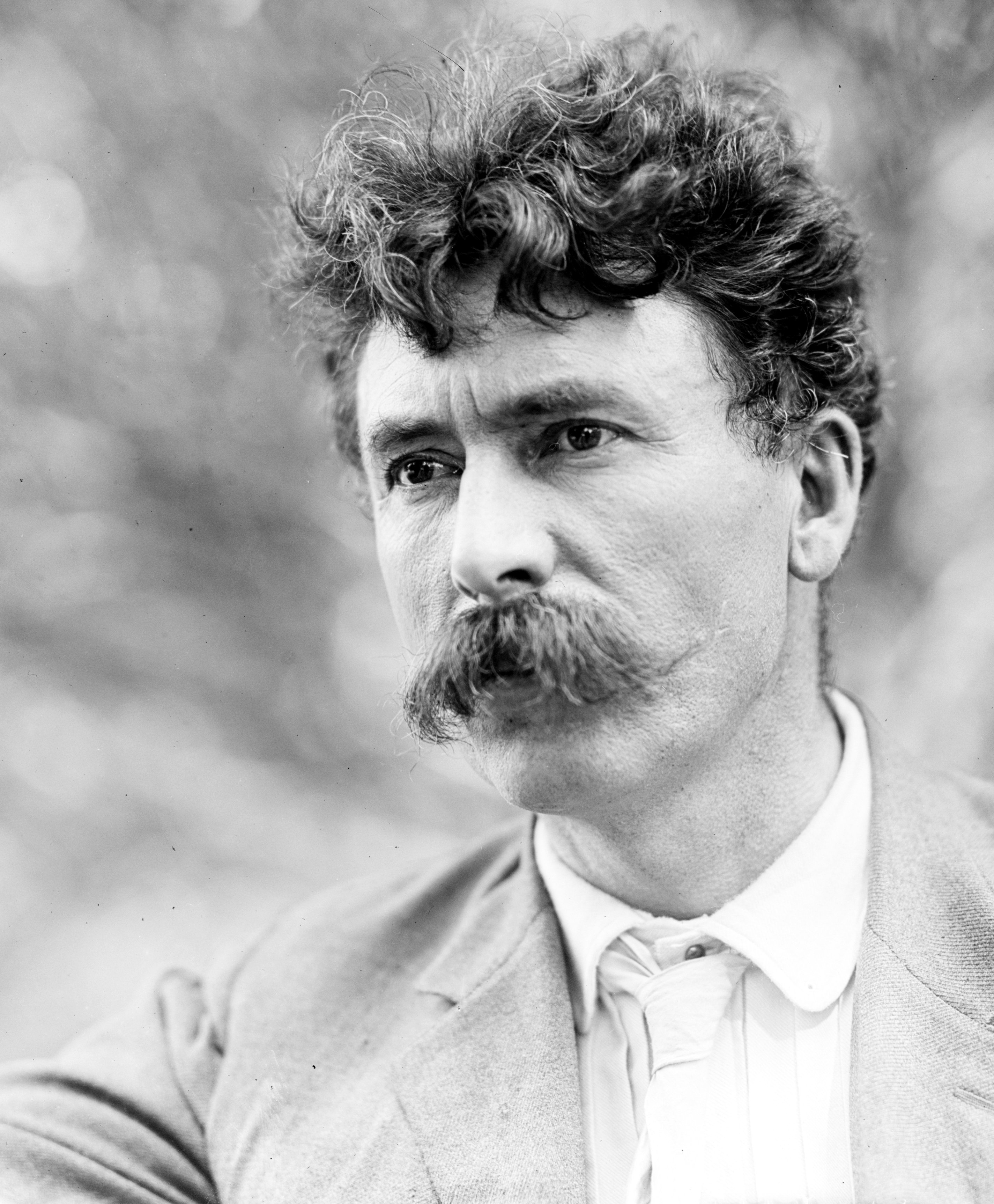
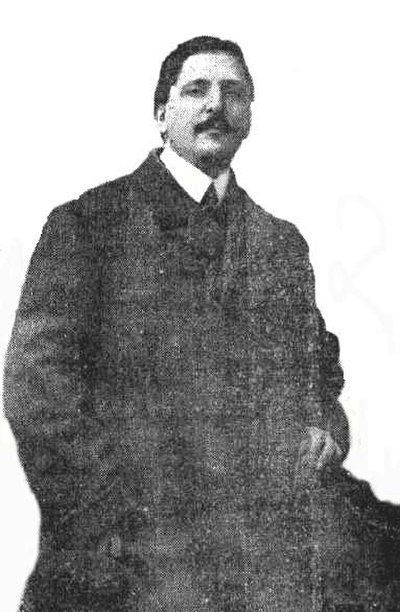
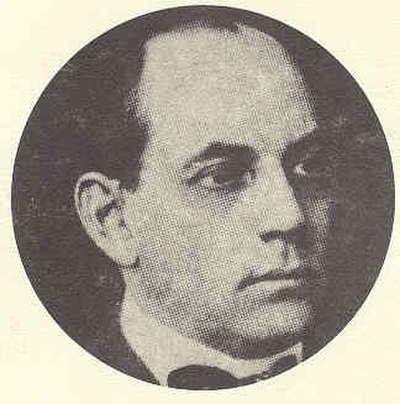
Michel Zévaco was a French novelist and playwright, best known for his historical adventure novels that captivated readers in the early 20th century. Born in 1860, Zévaco's literary career flourished during a time when the genre of historical fiction was gaining popularity. His most notable work, 'Les Pardaillan' series, features the swashbuckling hero, the Chevalier de Pardaillan, who embodies the spirit of adventure and romance. This series, along with other works such as 'La Guerre des femmes,' showcased Zévaco's flair for weaving intricate plots filled with action, intrigue, and vibrant characters, making him a significant figure in French literature of his time. Zévaco's writing is characterized by its rich descriptions and a strong sense of historical context, often reflecting the social and political climates of the eras he depicted. His ability to blend fact with fiction not only entertained but also educated his readers about the past. Despite not achieving the same level of fame as some of his contemporaries, Zévaco's contributions to the genre of historical fiction have left a lasting impact, influencing later writers and continuing to be appreciated by fans of adventure literature. He passed away in 1918, but his works remain a testament to the adventurous spirit of his time.
Famous Quotes
View all 4 quotes“Pentru umanitate în ansamblul său, iubirea e o formă de egoism. Un bărbat iubește o femeie. Ceea ce vrea să însemne că o dorește; în felul ăsta dorește posesia; vrea neapărat ca acea femeie să-i aparțină în exclusivitate. Dacă femeia e venală, o cumpără ca pe o statuie sau orice alt obiect de lux. Dacă e onestă, se străduiește să-i demonstreze că trebuie să-i aparțină numai lui, și de bună voie. Una peste alta, vrea sa pună mâna pe ea. E o operă de cucerire în felul barbarilor din antichitate. Dovada: chinurile iubirii se micsorează, dispărând aproape cu totul dacă femeia vizată nu se dă nimănui. Ceea ce se cheamă gelozie nu-i decât expresia acestui egoism de o factură deosebită… Bărbatul caută deci mai ales să-și satisfacă propriul său apetit de cuceritor și de proprietar atunci când afirmă că iubește. Iubirea, asta înseamnă: vreau. Vreau acest obiect: bronz, marmură sau femeie. Pentru mine, numai pentru mine! Așa vreau eu. Și atunci spun că o iubesc! Cât îmi e de milă!...””
“- Ajutor! Ajutor! răcnea vocea, la vreo câțiva pași depărtare.- Dacă l-am salva pe bietul om? propuse Trencavel.- Nu îmi surâde ideea de a face munca paznicului de noapte, zise Mauluys cu răceală. Dar, în fine, dacă ți-e ție pe plac...””
“La anumiți oameni, binefacerile evocă ură. (...)Recompensa este obligatorie dacă dorești ca ajutorul să continue.””
Books from the author

Link to this page
Add a free, dofollow link to Lex on your blog, forum, syllabus, or reading list.

<a href="https://lex-books.com/author/michel-zévaco"><img src="https://lex-books.com/badges/read-on-lex.svg" alt="Michel Zévaco on Lex" width="160" height="40"></a>[](https://lex-books.com/author/michel-zévaco)[url=https://lex-books.com/author/michel-zévaco][img]https://lex-books.com/badges/read-on-lex.svg[/img][/url]Michel Zévaco on Lex: https://lex-books.com/author/michel-zévaco