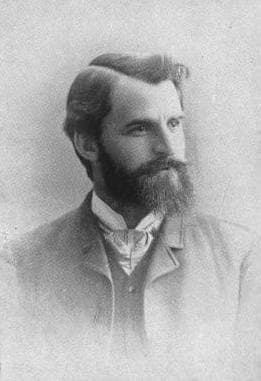
Hamlin Garland
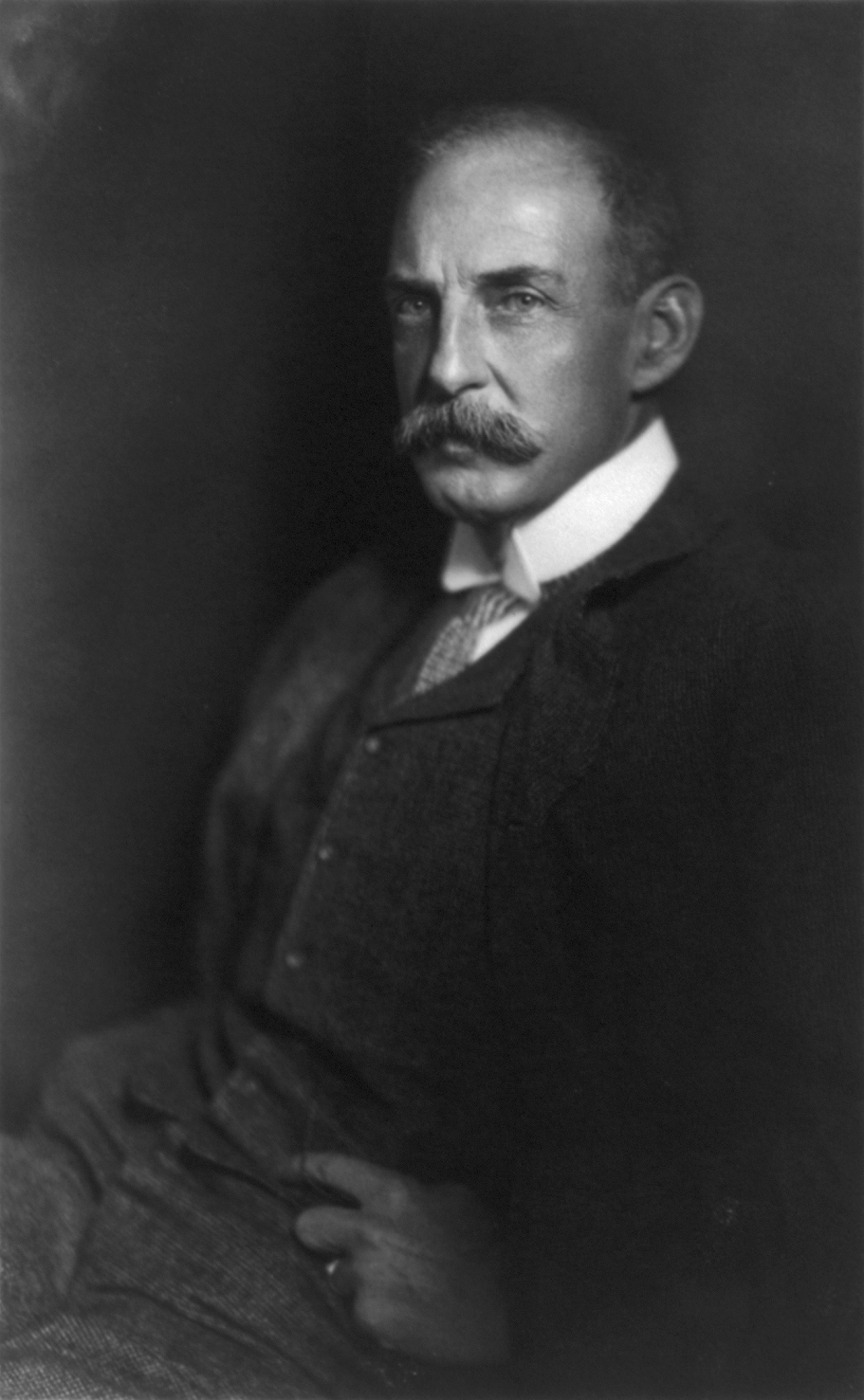
Hannibal Hamlin Garland was an influential American author known for his vivid portrayals of the struggles and resilience of Midwestern farmers. Born in Wisconsin, Garland's early life was steeped in the realities of rural existence, which profoundly shaped his literary voice. He emerged as a significant figure in American literature with works such as "Main-Travelled Roads," a collection of short stories that highlighted the harsh conditions faced by farmers and the impact of economic hardship on their lives. His writing often reflected the principles of Georgism, advocating for land reform and social justice, which added a layer of social commentary to his narratives. Garland's literary significance extended beyond his storytelling; he played a crucial role in the development of regionalism in American literature. His candid depictions of rural life and the struggles of ordinary people paved the way for future writers who sought to capture the complexities of American society. In addition to his fiction, Garland wrote essays and poetry, further showcasing his versatility as a writer. His legacy endures as a pioneer who brought attention to the lives of those often overlooked in the literary canon, making him a key figure in the exploration of American identity and social issues in the early 20th century.
Famous Quotes
View all 3 quotes“I remember a hundred lovely lakes, and recall the fragrant breath of pine and fir and cedar and poplar trees. The trail has strung upon it, as upon a thread of silk, opalescent dawns and saffron sunsets. It has given me blessed release from care and worry and the troubled thinking of our modern day. It has been a return to the primitive and the peaceful. Whenever the pressure of our complex city life thins my blood and benumbs my brain, I seek relief in the trail; and when I hear the coyote wailing to the yellow dawn, my cares fall from me - I am happy. ~Hamlin Garland, McClure's, February 1899”
“I see a time when the farmer will not need to live in a lonely cabin on a lonely farm. I see the farmers coming together in groups. I see them with time to read, and time to visit with their fellows. I see them enjoying lectures in beautiful halls, erected in every village. I see them gather like the Saxons of old upon the green at evening to sing and dance. I see cities rising near them with schools, and churches, and concert halls, and theaters. I see a day when the farmer will no longer be a drudge and his wife a bond slave, but happy men and women who will go singing to their pleasant tasks upon their fruitful farms. When the boys and girls will not go west nor to the city; when life will be worth living. In that day the moon will be brighter and the stars more glad, and pleasure and poetry and love of life come back to the man who tills the soil.”
“Do you fear the force of the wind, The slash of the rain? Go face them and fight them, Be savage again. Go hungry and cold like the wolf, Go wade like the crane: The palms of your hands will thicken, The skin of your cheek will tan, You'll grow ragged and weary and swarthy, But you'll walk like a man!”
Books from the author








Link to this page
Add a free, dofollow link to Lex on your blog, forum, syllabus, or reading list.

<a href="https://lex-books.com/author/hamlin-garland"><img src="https://lex-books.com/badges/read-on-lex.svg" alt="Hamlin Garland on Lex" width="160" height="40"></a>[](https://lex-books.com/author/hamlin-garland)[url=https://lex-books.com/author/hamlin-garland][img]https://lex-books.com/badges/read-on-lex.svg[/img][/url]Hamlin Garland on Lex: https://lex-books.com/author/hamlin-garland