
Maud Howe Elliott
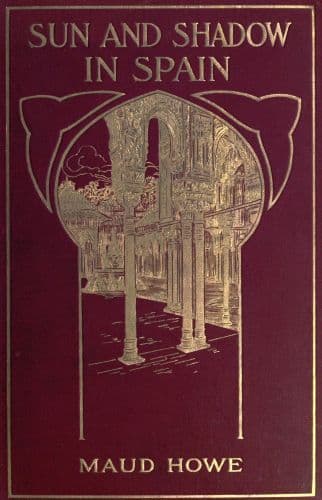
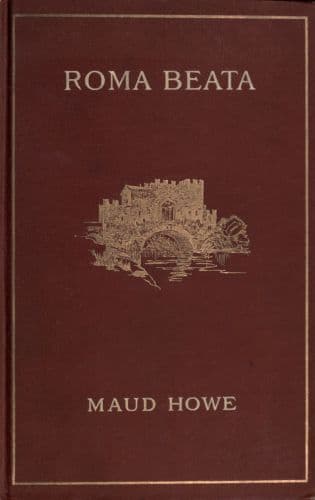
Maud Howe Elliott was an influential American novelist and biographer, best known for her Pulitzer Prize-winning collaboration with her sisters, Laura E. Richards and Florence Hall, on the biography 'The Life of Julia Ward Howe' published in 1916. This work not only celebrated their mother's legacy as a prominent abolitionist and women's rights activist but also showcased the family's literary prowess. Elliott's writing spanned various genres, with notable works including 'A Newport Aquarelle' (1883), 'Phillida' (1891), and 'Mammon' (1893), which was later published as 'Honor: A Novel'. Her literary contributions often reflected her experiences and observations of society, particularly in her travel writings such as 'Sun and Shadow in Spain' (1908) and 'Roma Beata' (1903). Elliott's significance lies in her ability to weave personal and historical narratives, bringing to light the lives of women and the complexities of their experiences during her time. Her works, while sometimes overshadowed by her more famous contemporaries, contributed to the evolving landscape of American literature in the late 19th and early 20th centuries. Through her novels and biographies, Elliott left a lasting impact on the literary world, paving the way for future generations of writers to explore similar themes of identity, family, and social change.
Famous Quotes
View all 1 quotes“This terrible development of moral causes and effects will enchain the wonder of the world until the crisis of poetical justice which must end it shall have won the acquiescence of mankind, carrying its irresistible lesson into the mind of the critics, into the heart of the multitude.””
Books from the author




Link to this page
Add a free, dofollow link to Lex on your blog, forum, syllabus, or reading list.

<a href="https://lex-books.com/author/maud-howe-elliott"><img src="https://lex-books.com/badges/read-on-lex.svg" alt="Maud Howe Elliott on Lex" width="160" height="40"></a>[](https://lex-books.com/author/maud-howe-elliott)[url=https://lex-books.com/author/maud-howe-elliott][img]https://lex-books.com/badges/read-on-lex.svg[/img][/url]Maud Howe Elliott on Lex: https://lex-books.com/author/maud-howe-elliott