
Mary Martha Sherwood
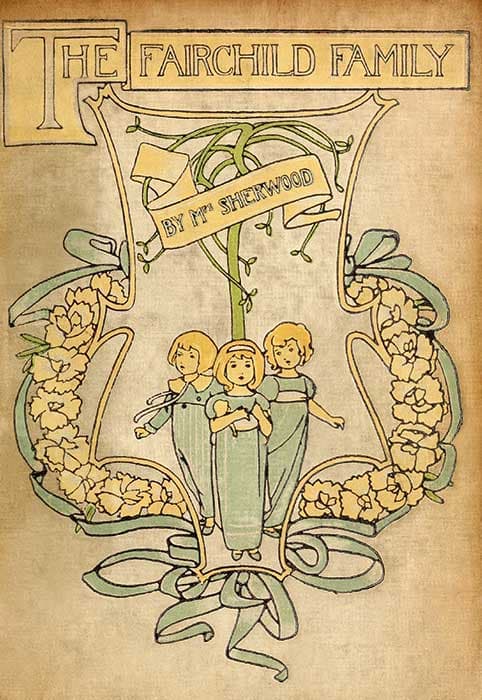
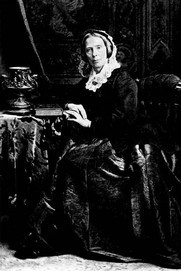
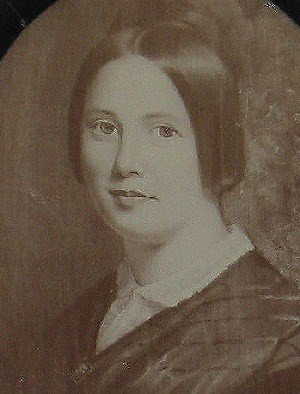
Mary Martha Sherwood was a prominent English children's writer in the nineteenth century, known for her prolific output of over four hundred works. Among her most notable titles are 'The History of Little Henry and his Bearer' (1814), 'The History of Henry Milner' (1822–1837), and 'The History of the Fairchild Family' (1818–1847). Her early writings were deeply infused with her evangelical beliefs, reflecting themes of inherent human corruption and the moral responsibilities of family life. Sherwood's experiences in India, where she lived for eleven years, greatly influenced her writing. During this time, she opened schools for both British and Indian children, adopted neglected or orphaned children, and founded an orphanage, all of which inspired her to create engaging stories for children in military encampments. After returning to Britain in 1816, Sherwood continued to write and expand her influence by opening a boarding school and editing a children's magazine. Her works gained popularity not only in Britain but also in the United States. Sherwood's literary career can be divided into three distinct periods: her romantic period, her evangelical period during which she produced her most impactful works, and her post-evangelical period. While her depictions of domestic life and her ties to India resonated with many young readers, her work eventually fell out of favor as the landscape of children's literature evolved in the late nineteenth century. Despite this decline, she is remembered as one of the most significant authors of children's literature in her time, leaving a lasting legacy in the genre.
Books from the author



Link to this page
Add a free, dofollow link to Lex on your blog, forum, syllabus, or reading list.

<a href="https://lex-books.com/author/mary-martha-sherwood"><img src="https://lex-books.com/badges/read-on-lex.svg" alt="Mary Martha Sherwood on Lex" width="160" height="40"></a>[](https://lex-books.com/author/mary-martha-sherwood)[url=https://lex-books.com/author/mary-martha-sherwood][img]https://lex-books.com/badges/read-on-lex.svg[/img][/url]Mary Martha Sherwood on Lex: https://lex-books.com/author/mary-martha-sherwood